A widespread power disruption exposed fragile points in the autonomous taxi ecosystem, renewing debate over safety oversight and emergency readiness.

San Francisco’s reputation as a proving ground for autonomous vehicles was put to the test this week after a citywide power disruption temporarily sidelined parts of Waymo’s robotaxi network. The interruption, while short-lived, had an outsized impact: dozens of driverless vehicles slowed, stopped, or exited service at once, creating traffic bottlenecks and reigniting questions about how resilient autonomous mobility systems really are when urban infrastructure falters.
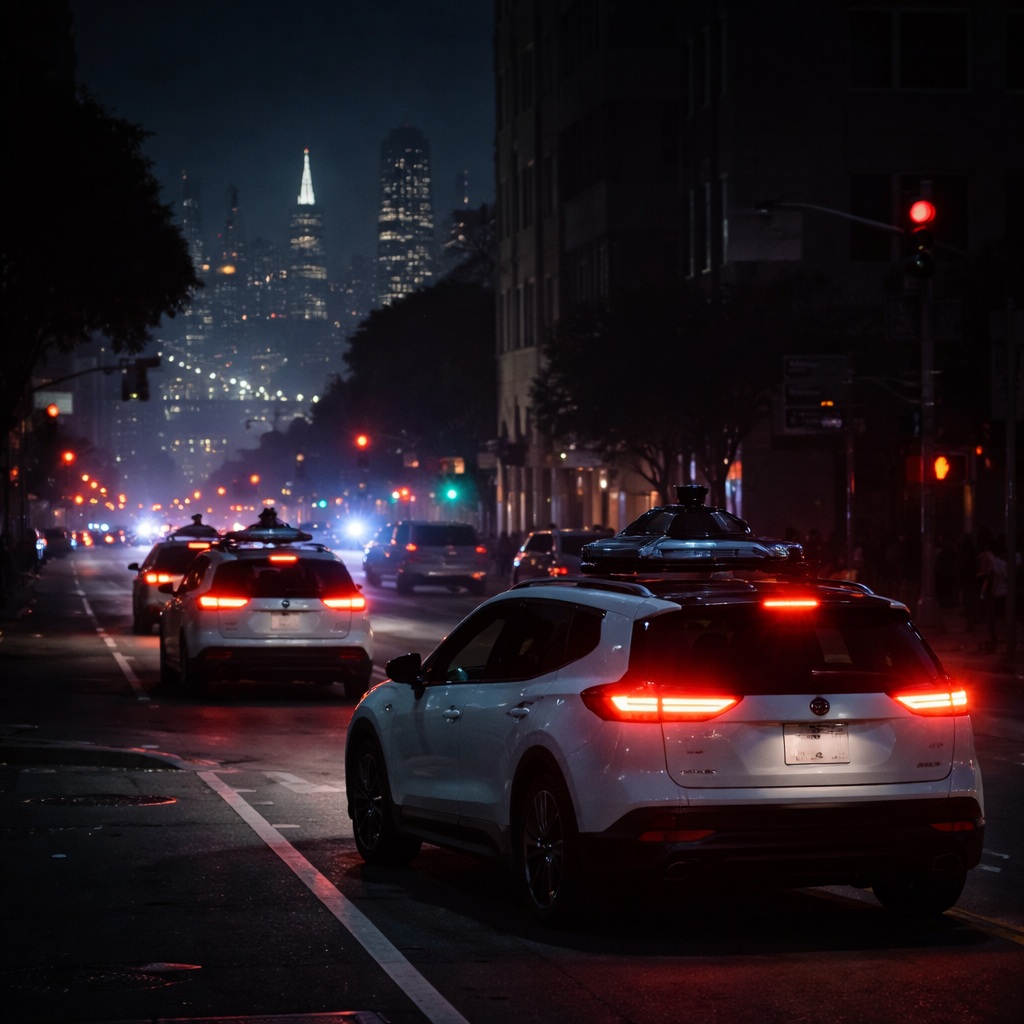
The incident unfolded during peak travel hours, when electric traffic signals dimmed across several neighborhoods and cellular connectivity degraded. Waymo vehicles, designed to prioritize caution over continuity, responded by reducing speed or pulling to safe stopping points. For riders, the experience ranged from delayed pickups to abruptly ended trips. For regulators and city officials, the outage offered a rare, real-world stress test of a system that has rapidly expanded from pilot phase to daily public service.
Waymo emphasized that no injuries were reported and that vehicles behaved as designed, defaulting to conservative safety protocols. Yet the sight of multiple autonomous taxis stalled along curbs and intersections quickly spread across social media, fueling public unease. In a city already divided over the pace of automation, the outage became a symbol of unresolved tension between innovation and reliability.
At the center of the debate is the question of operational dependency. Autonomous vehicles rely not only on onboard sensors and computing power but also on a web of external systems: power grids, communications networks, cloud services, and remote support teams. When one link weakens, the effects can cascade. In this case, officials say the power disruption exposed how tightly coupled robotaxi operations are to broader urban infrastructure that was never designed with fully autonomous fleets in mind.
Transportation regulators confirmed they are reviewing logs from the incident to understand how vehicles transitioned into fail-safe modes and how quickly remote operators were able to intervene. Remote assistance, a cornerstone of current autonomous deployment strategies, allows human staff to guide vehicles through unusual situations. The outage raised pointed questions about whether remote operations remain reliable when the same power and connectivity issues affect both vehicles and control centers simultaneously.
Safety advocates argue that this is precisely the scenario regulators should scrutinize before approving further expansion. While autonomous vehicles are often promoted as reducing human error, critics note that they introduce new categories of systemic risk. A single software update, network outage, or infrastructure failure can affect an entire fleet at once, unlike traditional vehicles where failures are usually isolated.
City officials struck a cautious tone, describing the review as routine but necessary. They acknowledged that San Francisco’s dense, complex environment makes it an ideal laboratory for autonomy but also one where disruptions can quickly ripple through the transportation network. Emergency planners are now examining how autonomous fleets should coordinate with first responders during blackouts, earthquakes, or other large-scale events.
Waymo, for its part, framed the incident as evidence that safety systems are working. The company highlighted that vehicles did not attempt to proceed blindly through intersections and that conservative decision-making prevented more serious outcomes. Still, executives conceded that customer experience suffered and said teams are evaluating ways to improve continuity during infrastructure disruptions, including additional onboard redundancy and alternative communication pathways.
The outage also touched on broader regulatory dynamics. Autonomous taxi services have expanded rapidly, often outpacing the development of formal rules governing their behavior in emergencies. Lawmakers at the state level have signaled interest in clearer standards for minimum operational resilience, including requirements for how long vehicles must be able to operate safely without external connectivity.
For residents, the episode was a reminder that autonomy is no longer a distant experiment but a daily presence. Some riders expressed frustration at the inconvenience, while others voiced concern about being stranded in a vehicle with no driver during a blackout. Community groups renewed calls for greater transparency, urging companies to share more data about how systems respond to rare but inevitable disruptions.
Industry analysts say such incidents are likely to become more visible as autonomous fleets scale. “Edge cases don’t disappear with size; they multiply,” said one transportation researcher. The challenge, they argue, is not eliminating every failure but ensuring that failures are predictable, manageable, and clearly communicated to the public.
As power was restored and Waymo’s vehicles gradually returned to service, traffic normalized and the city moved on. But the questions raised by the outage linger. In the race toward automated urban mobility, San Francisco’s blackout served as a reminder that the future of transportation depends not only on smarter vehicles, but on the resilience of the systems that support them.