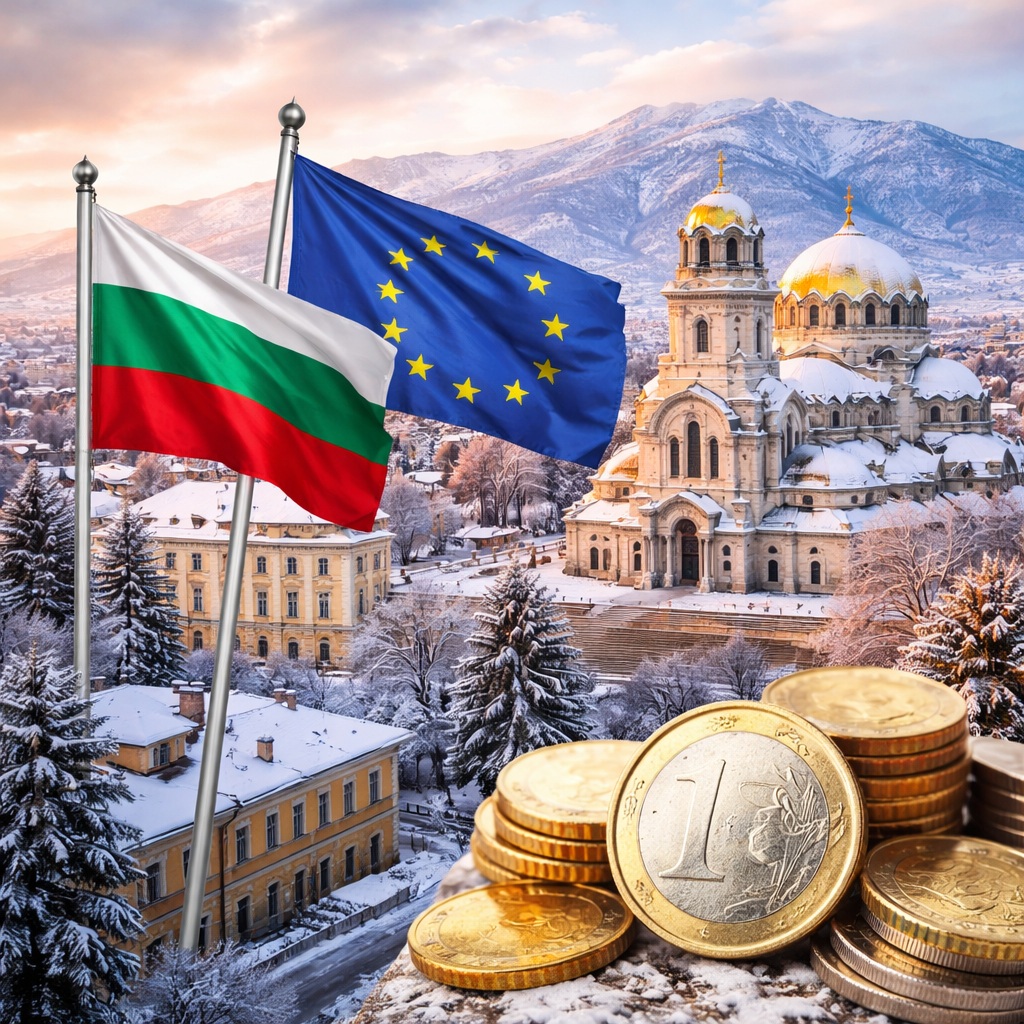
As the Balkan nation prepares to adopt the single currency, hopes run high that deeper integration with Europe will lift incomes, investment, and confidence in one of the EU’s poorest economies.

Bulgaria is entering a decisive chapter in its modern economic history. After years of preparation, political debate, and technical alignment with European rules, the country is set to adopt the euro, joining the currency shared by much of the European Union. For policymakers in Sofia and Brussels, the move is more than a symbolic gesture. It is a bet that tighter integration with Europe’s economic core can accelerate growth, attract investment, and bring tangible gains to households and businesses.
The transition crowns a long process that began with Bulgaria’s accession to the EU and continued through fiscal discipline, banking reforms, and the maintenance of a fixed exchange rate regime that already ties the national currency closely to the euro. Supporters argue that the change will formalize an economic reality that has existed for years, while removing remaining barriers to trade and finance.
For a country that still lags behind the EU average in income and productivity, expectations are high. Officials say euro adoption will reduce transaction costs for exporters, make prices more transparent for consumers, and encourage foreign companies to invest with greater confidence. In a region often perceived as peripheral, the euro is seen as a badge of stability.
“Joining the eurozone anchors Bulgaria firmly in the heart of Europe,” one senior official involved in the transition said. “It sends a clear signal that the country is committed to sound economic management and the rules of the single market.”
Economists point to potential gains in trade and employment. With exchange-rate risk eliminated, Bulgarian firms may find it easier to integrate into European supply chains. Access to deeper financial markets could lower borrowing costs, helping companies expand and create jobs. Over time, this could translate into higher wages and improved living standards.
Yet the road to the euro has not been without controversy. Public opinion remains divided, with some citizens worried about price increases or the loss of monetary sovereignty. Memories of inflation in the post-communist transition still shape attitudes toward currency change. Authorities have responded with information campaigns, insisting that safeguards are in place and that fears of runaway prices are exaggerated.
The government has pledged close monitoring of prices during the changeover, alongside consumer protection measures to prevent abuse. Businesses are required to display prices transparently in both currencies during the transition period, a practice designed to reassure the public and build trust.
From Brussels’ perspective, Bulgaria’s entry strengthens the cohesion of the euro area at a time of global uncertainty. The eurozone has weathered crises ranging from sovereign debt turmoil to pandemic shocks, emerging with stronger institutions and tighter coordination. Bringing in a new member is seen as a vote of confidence in the currency’s resilience.
The European Central Bank and other EU institutions have worked closely with Bulgarian authorities to ensure technical readiness, from banking supervision to payment systems. The country’s banks are already integrated into European oversight frameworks, a step officials say reduces risks and boosts credibility.
For ordinary Bulgarians, the euro’s arrival will be felt in everyday transactions: salaries, savings, and prices recalculated in a new unit. While the change may initially feel abstract, its success will ultimately be judged by whether it delivers on promises of prosperity and opportunity.
As the year draws to a close, Bulgaria stands on the threshold of a historic shift. The adoption of the euro will not solve all of the country’s challenges overnight. Structural reforms, investment in education, and efforts to tackle inequality remain essential. But for many in Sofia and across the country, the move represents a decisive step toward a more prosperous European future.