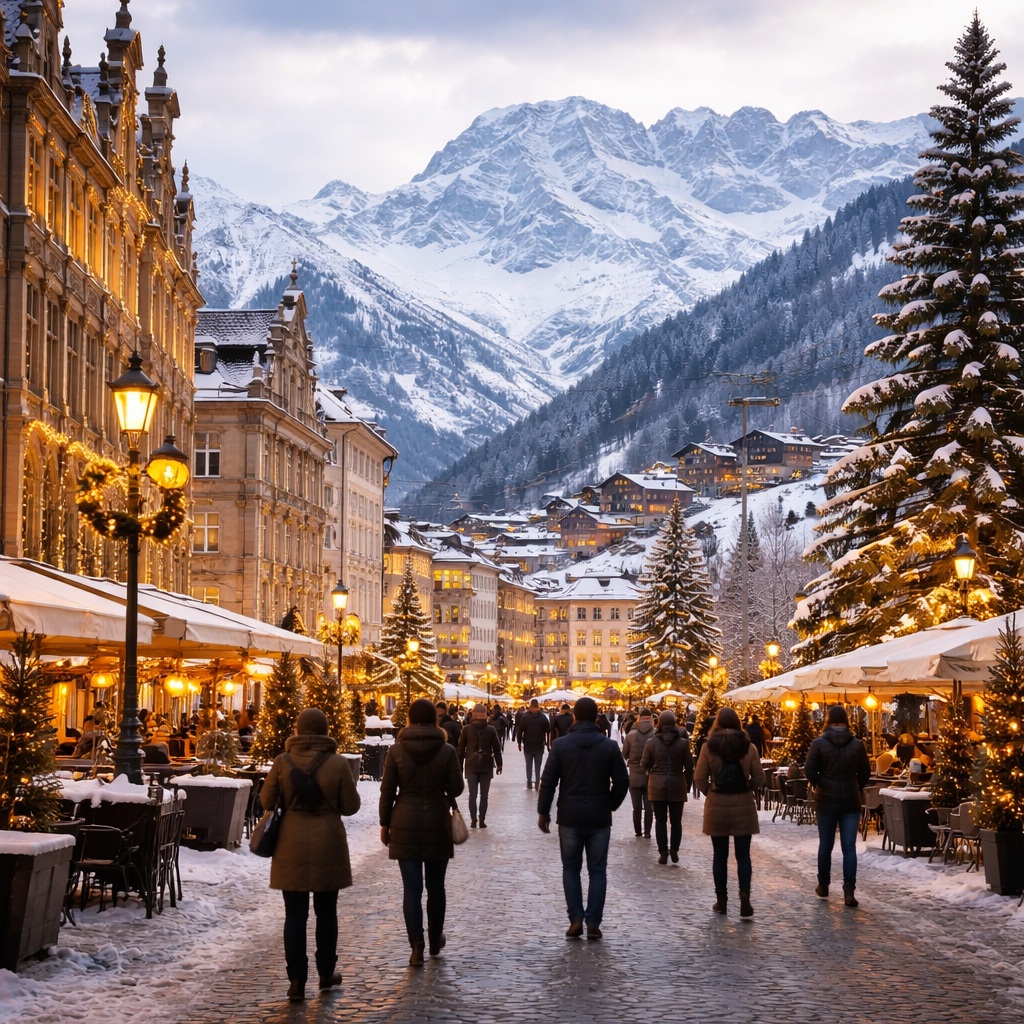
Consumer caution and shifting travel patterns weigh on Switzerland, Ireland, Germany, and Belgium as the year closes
As the year draws to a close, a chill has settled over Europe’s tourism industry. Once buoyed by post-pandemic rebounds and pent-up demand, several of the continent’s most visited destinations are now confronting a pronounced slowdown in travel spending. From Alpine resorts to historic city centers, hotels, restaurants, transport operators, and cultural attractions are reporting weaker revenues than expected, underscoring how fragile consumer confidence has become across Europe.
In Switzerland, the downturn is visible in mountain towns that traditionally rely on winter visitors to sustain local economies. Hoteliers describe shorter stays and a rise in last-minute cancellations, particularly among European travelers facing higher living costs at home. Luxury tourism has offered only limited insulation, as even high-income visitors appear more selective, trimming discretionary spending on dining, retail, and guided experiences.
Ireland, long a beneficiary of strong transatlantic interest and cultural tourism, is also feeling the pressure. Industry groups say that while visitor numbers have not collapsed, average spending per tourist has declined. Pubs, tour operators, and regional guesthouses report thinner margins, a trend attributed to cautious budgeting by travelers and a growing preference for shorter, city-focused trips rather than extended rural itineraries.
Germany’s tourism sector, closely linked to business travel and large-scale events, has faced its own headwinds. Conference attendance has softened, and domestic tourism has failed to fully compensate for weaker international demand. Transport providers and urban hotels in major hubs note lower occupancy rates during periods that once marked peak activity, reflecting how companies and individuals alike are rethinking travel costs.
Belgium presents a similar picture. Brussels and other historic cities continue to attract visitors, but spending on accommodation and services has moderated. Operators point to competition from alternative destinations and a shift toward budget-conscious travel choices, including private rentals and day trips that generate less economic spillover.
Economists say the tourism slump reflects a broader recalibration of consumer behavior. Persistent inflation concerns, geopolitical uncertainty, and uneven economic growth have made households more defensive, prioritizing essential spending over leisure travel. At the same time, travel patterns are evolving. Tourists are spreading trips across the year, favoring lesser-known destinations, or opting for experiences closer to home.
The implications extend beyond hotels and airlines. Tourism supports a wide web of jobs, from food suppliers to cultural institutions, and its slowdown risks dampening growth in regions heavily dependent on visitors. Analysts warn that if the weakness persists through the holiday season, it could shave momentum from national economies already struggling to regain speed.
Governments and industry leaders are responding with cautious optimism. Marketing campaigns are being recalibrated to highlight value and sustainability, while some destinations are investing in niche tourism, such as wellness, eco-travel, and cultural festivals, to attract new audiences. Yet few expect a rapid rebound.
As Europe approaches the turn of the year, the message from the tourism sector is clear: travel remains resilient, but the era of easy growth has ended. For economies built on welcoming the world, adapting to more restrained and selective travelers may prove to be one of the defining challenges of the coming months.


 The Tower Post