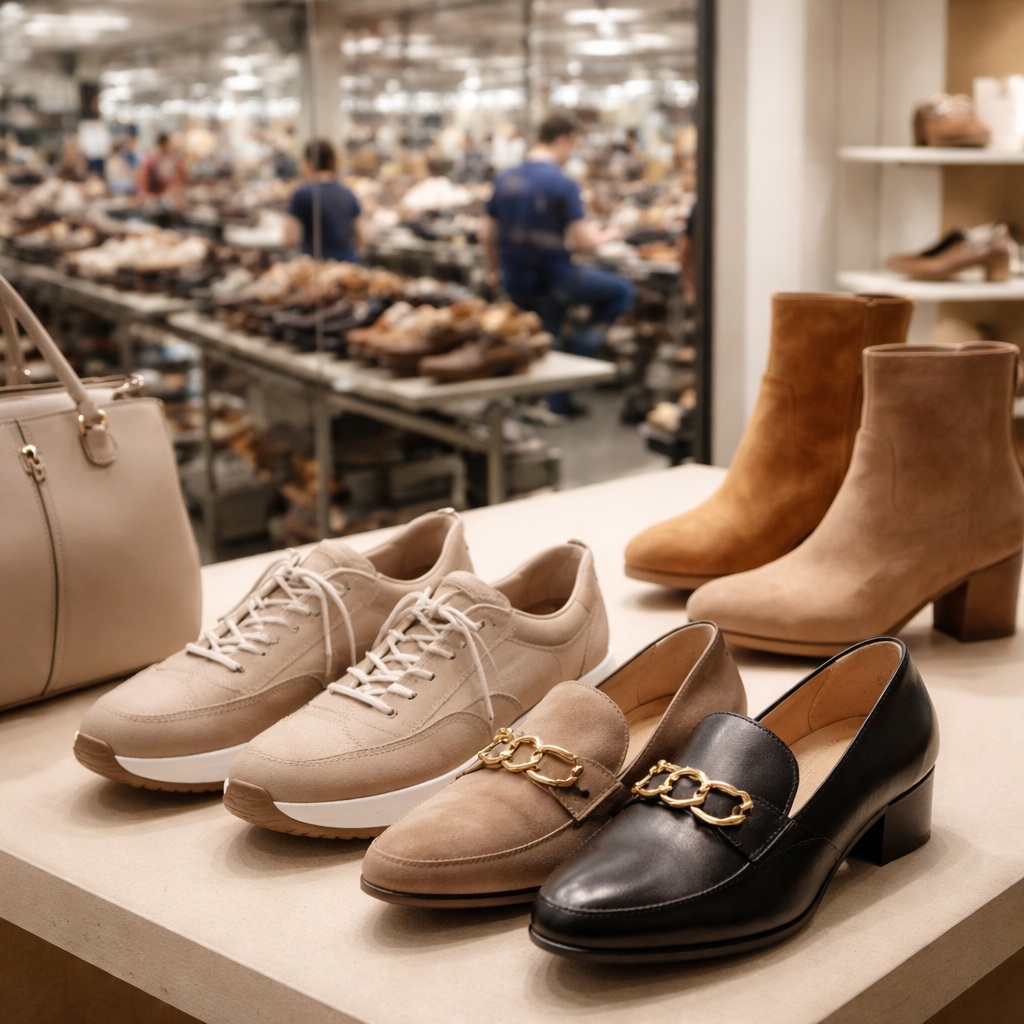
A shift in ownership brings fresh capital and strategic ambition to the long-standing shoe brand, with potential ripple effects across U.S. distribution and fashion retail.

As the year draws to a close, one of Europe’s most established footwear names is stepping into a new phase. Gabor, the German shoe brand known for its balance of comfort, quality, and understated style, has been acquired by a Swiss investor, marking a significant ownership change that could reshape its future direction. The transaction underscores renewed confidence in heritage brands at a time when the global fashion industry is navigating structural change, cautious consumers, and evolving retail models.
For decades, Gabor has occupied a distinct position in the European footwear landscape. Founded in southern Germany and built around precision manufacturing and fit expertise, the brand developed a loyal following among consumers seeking reliability rather than trend-driven experimentation. Its shoes, often positioned in the mid-to-premium segment, became staples in independent boutiques and department stores across Europe, and later in select international markets.
The new Swiss ownership introduces a different dynamic. While details of the investment structure remain closely held, people familiar with the deal describe it as a long-term strategic acquisition rather than a short-term financial play. The investor brings not only capital but also experience in cross-border brand development, logistics, and retail partnerships—areas that are increasingly critical for footwear companies operating in a fragmented global market.
Industry observers note that the timing of the acquisition is far from accidental. European footwear brands have faced rising production costs, pressure on margins, and the need to modernize supply chains while preserving quality standards. For Gabor, fresh investment provides breathing room to upgrade operations, strengthen digital channels, and refine its brand message without abandoning its core customer base.
One of the most closely watched aspects of the deal is its potential impact beyond Europe, particularly in the United States. Gabor has maintained a presence in the U.S. through wholesale partners and limited distribution, but it has never fully capitalized on the scale of the American market. Under Swiss ownership, that may change. Sources suggest that management is reviewing U.S. distribution with an eye toward tighter brand control, fewer but stronger retail partners, and a more coherent marketing narrative tailored to American consumers.
In recent years, U.S. fashion retail has undergone a reset. Department stores have lost ground to specialty retailers, digital platforms, and direct-to-consumer models. For a brand like Gabor, known for fit and comfort rather than fast fashion appeal, this environment presents both challenges and opportunities. A more selective distribution strategy could allow the brand to tell its story more clearly, emphasizing craftsmanship, durability, and everyday wearability—attributes that resonate with an aging but still style-conscious customer demographic.
The Swiss investor’s involvement could also accelerate changes in product development. While Gabor has traditionally favored incremental design evolution, the new ownership is expected to encourage measured innovation, particularly in materials, sustainability, and seasonal collections. Footwear analysts point out that comfort-driven brands are increasingly expected to demonstrate environmental responsibility, from sourcing leather to reducing waste in production. Investment capital can help fund these transitions without compromising margins.
Employees and suppliers are watching closely as well. In Germany, Gabor has long been seen as a stable employer with deep regional roots. Early signals from the new owner emphasize continuity rather than disruption, suggesting that manufacturing expertise and existing supplier relationships will remain central to the brand’s identity. At the same time, operational efficiencies and selective outsourcing may be explored to support international growth.
From a broader perspective, the acquisition reflects a wider trend in European fashion and lifestyle sectors. Swiss investors, often associated with patient capital and conservative financial management, have shown increasing interest in established brands with clear positioning and unrealized global potential. For Gabor, this combination of heritage and opportunity appears to have been a decisive factor.
As the industry looks ahead, the real test will be execution. Translating investment and strategic intent into sustainable growth is rarely straightforward, especially in a market as competitive as footwear. Yet, for Gabor, the ownership change offers a rare chance to recalibrate—honoring its past while adapting to a retail environment that demands clarity, agility, and international relevance.
As the calendar turns, Gabor’s next steps will be closely followed by retailers, competitors, and consumers alike. The brand’s journey under Swiss ownership may well become a case study in how traditional European footwear labels can reinvent themselves without losing their soul.




 The Tower Post