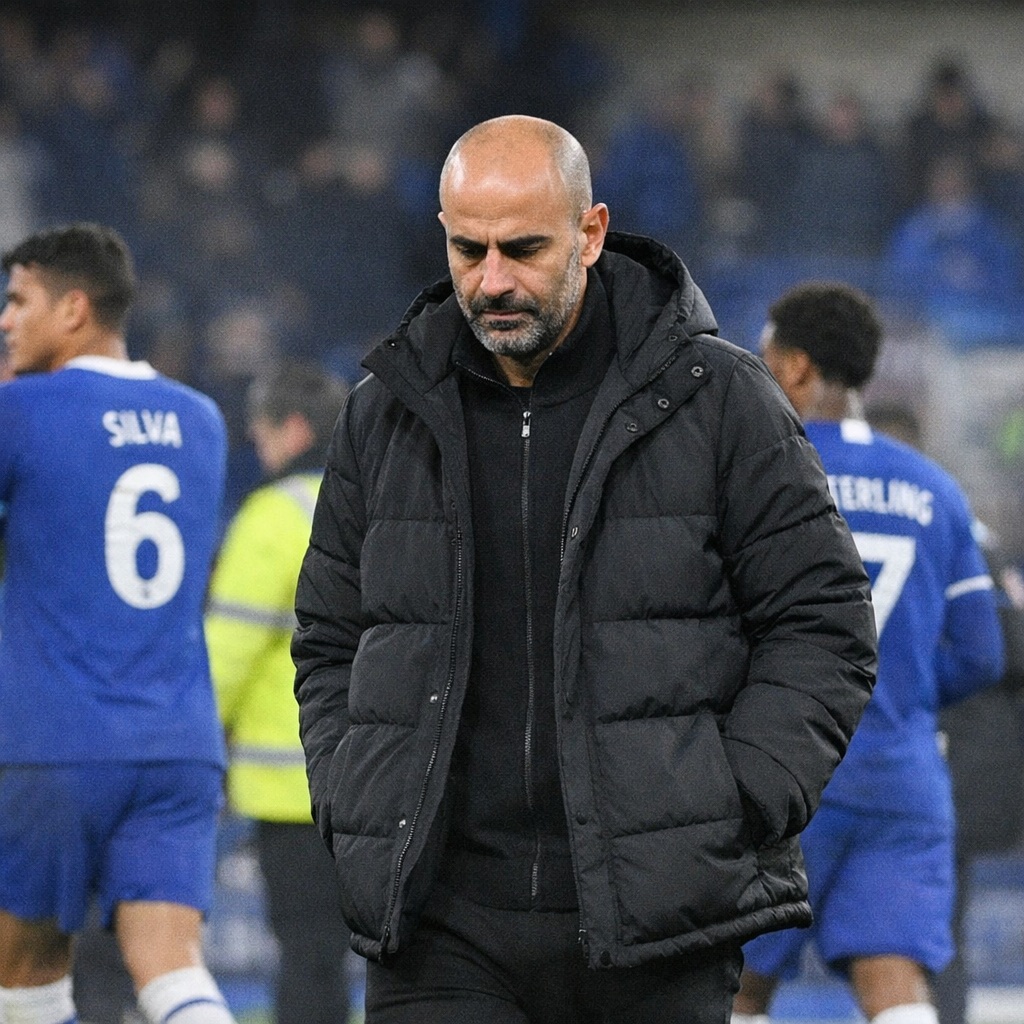
A turbulent spell at Stamford Bridge ends with a managerial change, as Chelsea look to reset their season and restore belief among supporters.
As the January transfer window swings open, Chelsea have opted for a decisive reset, parting company with head coach Enzo Maresca after a run of results that left the club drifting and short of confidence. The decision, confirmed by the club in the opening days of the new year, underscores both the urgency of the situation and the impatience that continues to define life at one of English football’s most scrutinized institutions.
Maresca’s departure follows weeks of mounting pressure. Performances had grown uneven, points were being dropped in matches Chelsea would once have expected to control, and the sense of a clear tactical identity appeared to be fading rather than forming. While the club hierarchy publicly maintained support until recently, the atmosphere around Stamford Bridge had become increasingly strained, with frustration audible in the stands and unmistakable across supporter forums.
Chelsea’s ownership group framed the decision as a necessary step to realign sporting objectives. Behind the carefully chosen words lies a simple truth: the project was no longer moving fast enough. Maresca, appointed with a reputation as a progressive coach schooled in positional play, was expected to bring clarity and cohesion to a young and expensive squad. Instead, the team struggled to marry control with cutting edge, often dominating possession without translating it into consistent results.
Those close to the dressing room suggest the break was not sudden but the result of extended internal review. Training sessions remained intense, and Maresca’s professionalism was rarely questioned, yet doubts persisted about whether his ideas were fully resonating with players under constant external pressure. In a league as unforgiving as the Premier League, patience is a rare commodity.
The timing of the dismissal is telling. With January business already under discussion, the club appear determined to give a new voice immediate influence over recruitment decisions. Defensive reinforcements have been a particular focus, with Chelsea conceding goals at moments that repeatedly undermined otherwise promising performances. Talks are believed to be underway regarding potential additions at the back.
Supporters are caught between fatigue and cautious optimism. Many acknowledge that constant change has contributed to instability, yet there is also a sense that a spark was missing. The hope is that fresh leadership can simplify roles, sharpen focus, and restore the intensity that once defined Chelsea sides on big occasions.
Maresca leaves with his reputation bruised but not erased. Within coaching circles, he remains respected for his attention to detail and modern approach, and few doubt he will return to management elsewhere. Chelsea, however, have once again chosen immediacy over continuity.
Attention now turns to the search for a successor. The club are expected to weigh several profiles, balancing long-term vision with the immediate need for results. Whoever steps into the role will inherit a squad rich in talent but short on cohesion.
The coming weeks promise activity on and off the pitch. Incoming signings could provide a lift, while clarity in the dugout may help players rediscover confidence. For Chelsea, this latest managerial change is both an admission of miscalculation and a statement of intent.
As the new year begins, Stamford Bridge stands at another crossroads. The story is one of abrupt endings and uncertain beginnings, but also of renewal, as Chelsea attempt once more to turn transition into progress.



 The Tower Post