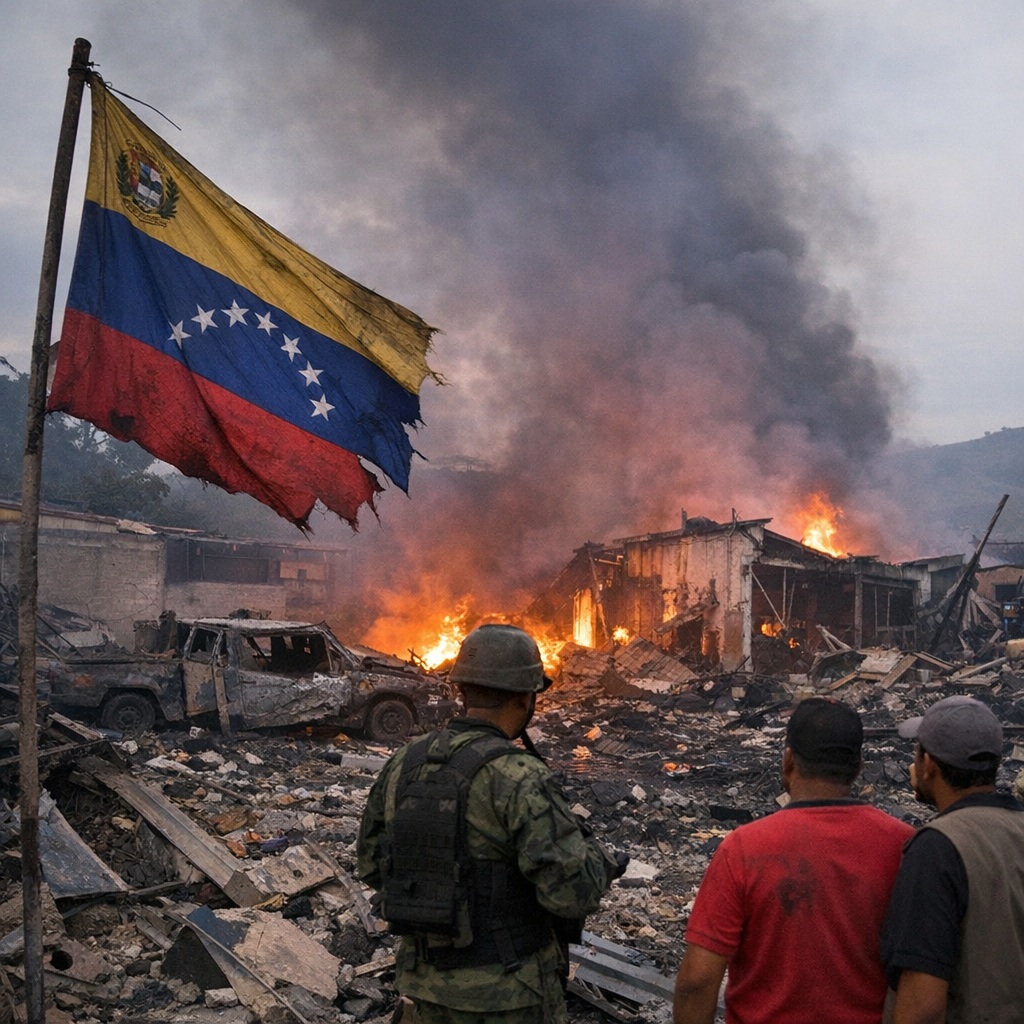
Russia, China, and governments across multiple regions denounce Washington’s military action as unlawful, while European Commission leaders urge restraint and a return to diplomacy.
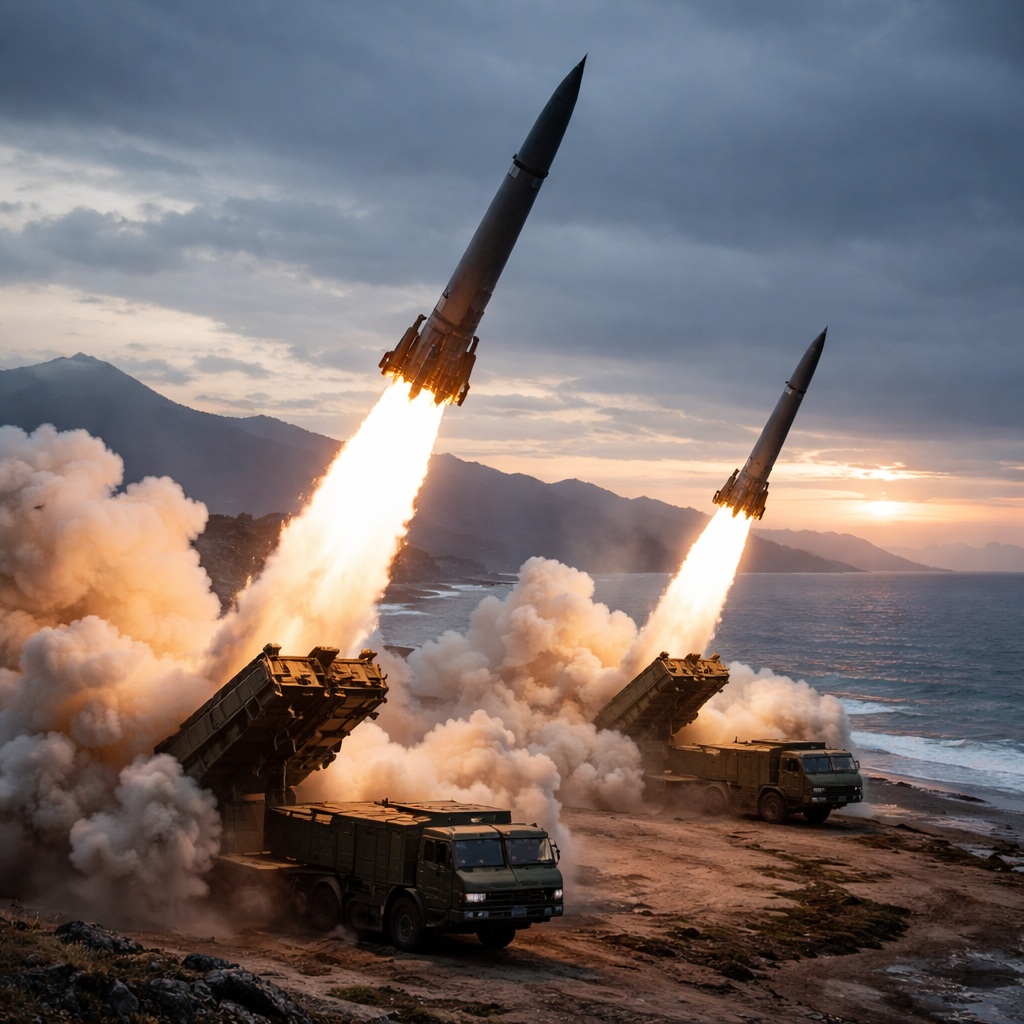
Global condemnation mounted rapidly after reports emerged that the United States had carried out military strikes on Venezuelan territory, triggering sharp reactions from rival powers and uneasy partners alike. From Moscow and Beijing to capitals across Latin America, Africa, and parts of Asia, governments characterized the action as a breach of international law and a dangerous escalation in an already fragile geopolitical landscape.
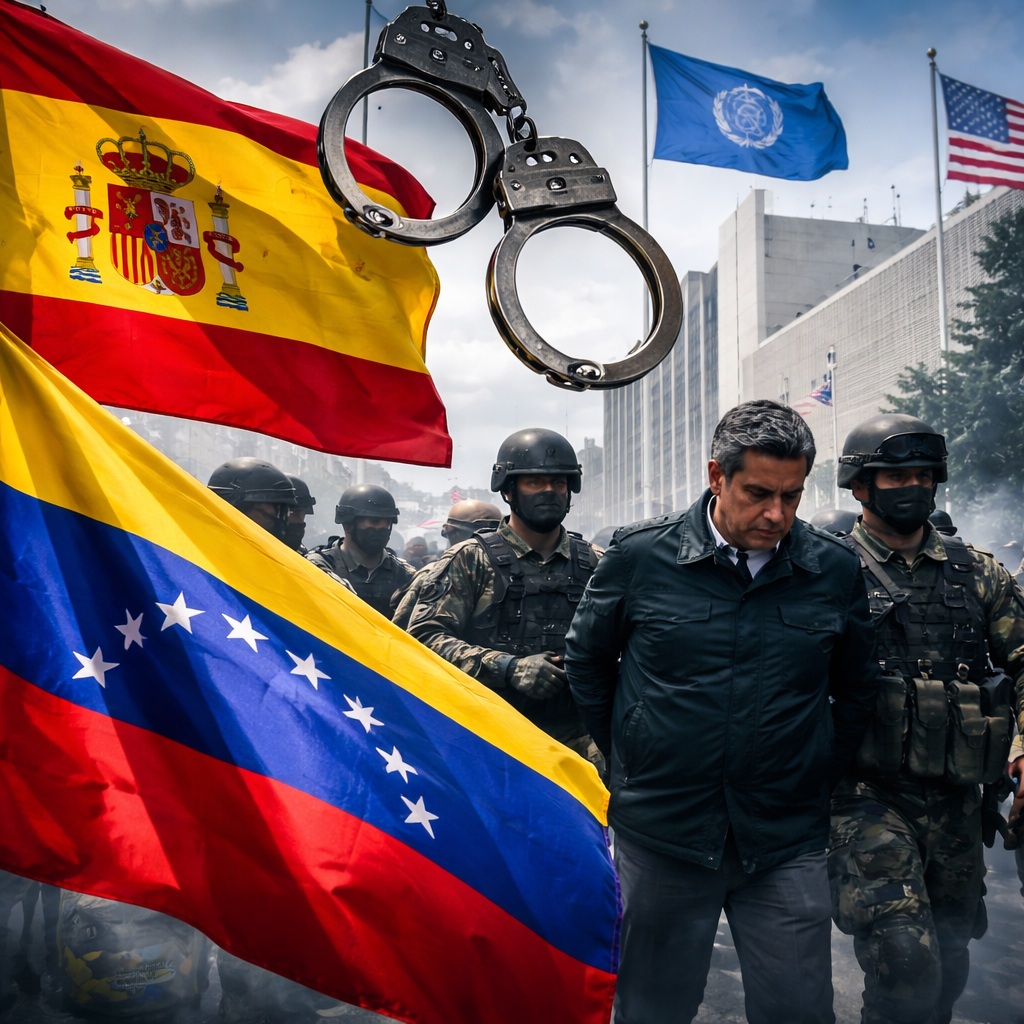
According to official statements released in quick succession, Russia and China led the chorus of criticism, framing the strikes as a violation of Venezuelan sovereignty and a challenge to the authority of the United Nations system. Both governments warned that unilateral military actions risk undermining global stability at a time when multiple regions are already strained by conflict and economic uncertainty.
The Russian Foreign Ministry described the operation as “an unacceptable use of force,” arguing that it ignored established mechanisms for conflict resolution. Chinese officials echoed this language, stressing that disputes must be addressed through dialogue and multilateral institutions rather than through what they called “power politics.” Beijing also cautioned that the normalization of such actions could set a precedent that weaker states would ultimately pay for.
Across Latin America, reactions were swift and emotionally charged. Several governments recalled their ambassadors for consultations or issued emergency communiqués calling for regional unity. Leaders emphasized shared historical sensitivities to foreign intervention and warned that the strikes could destabilize the wider Caribbean basin. Even countries with strained relations with Caracas expressed concern that military action would deepen humanitarian suffering rather than resolve political deadlock.
In Europe, the response was more measured but no less critical. Senior figures from the European Commission underscored the need to respect international norms and reiterated the bloc’s long-standing position in favor of peaceful, lawful solutions. In coordinated remarks, Commission leaders called on all parties to exercise restraint and to avoid steps that could further inflame tensions. While stopping short of direct condemnation in military terms, European officials made clear that any action taken outside international law risked eroding the global rules-based order.
Diplomats in Brussels noted that the situation placed Europe in a delicate position. Many European governments have been vocal critics of the Venezuelan authorities over governance and human rights issues, yet they remain wary of endorsing military measures that bypass international consensus. The Commission’s emphasis on legality and dialogue reflected an effort to balance these competing priorities while maintaining unity among member states.
Washington, for its part, defended the strikes as necessary and proportionate, citing security concerns and the need to protect regional stability. U.S. officials argued that the action was limited in scope and aimed at specific targets, though details remained scarce. They also maintained that diplomatic channels had been exhausted, a claim disputed by several foreign ministries that said negotiations had not been given sufficient time.
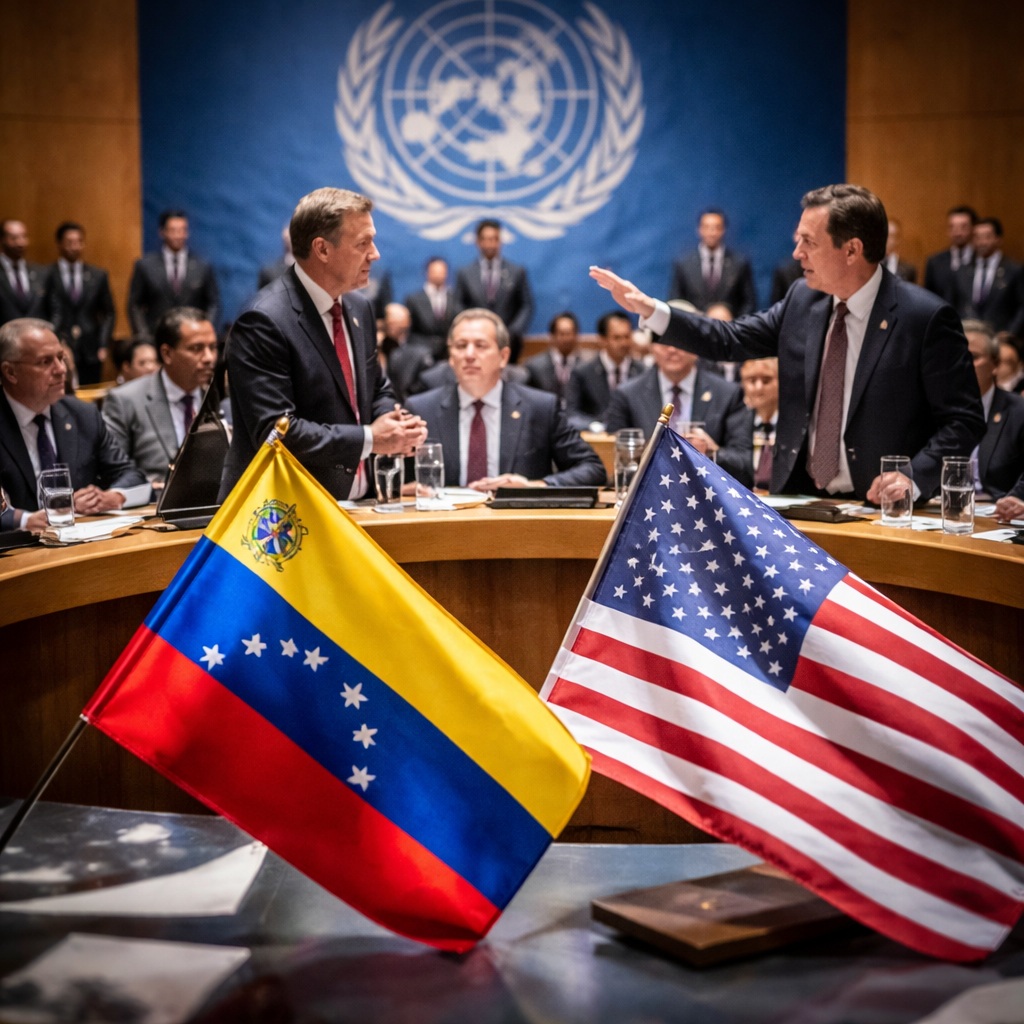
International legal experts weighed in as the debate intensified. Many pointed out that the use of force is tightly constrained under international law, permissible primarily in self-defense or with explicit authorization from the United Nations Security Council. Without such authorization, critics argued, the strikes risked being seen as unlawful, regardless of their stated objectives. Calls for an emergency meeting of the Security Council grew louder, though observers remained skeptical about the prospects for consensus given deep divisions among permanent members.
Humanitarian organizations expressed alarm over the potential impact on civilians. Venezuela’s protracted economic crisis has already strained public services and driven large-scale migration. Aid groups warned that any escalation could disrupt supply lines and worsen conditions for vulnerable populations. They urged all sides to prioritize civilian protection and to allow unfettered access for humanitarian assistance.
As global reactions continued to unfold, the episode highlighted broader tensions shaping today’s international system. The sharp rebukes from Russia and China underscored their willingness to challenge U.S. actions on the world stage, while Europe’s cautious stance reflected its effort to uphold international law without being drawn into open confrontation. For many countries in the Global South, the strikes revived long-standing concerns about unequal application of international norms.
Whether the diplomatic fallout will translate into concrete consequences remains uncertain. Much will depend on developments in the coming days, including any moves at the United Nations and the responses of regional organizations. What is clear, however, is that the reported strikes have reignited a fundamental debate over the limits of power, the role of international law, and the fragile balance between security and sovereignty in a rapidly changing world.
 The Tower Post