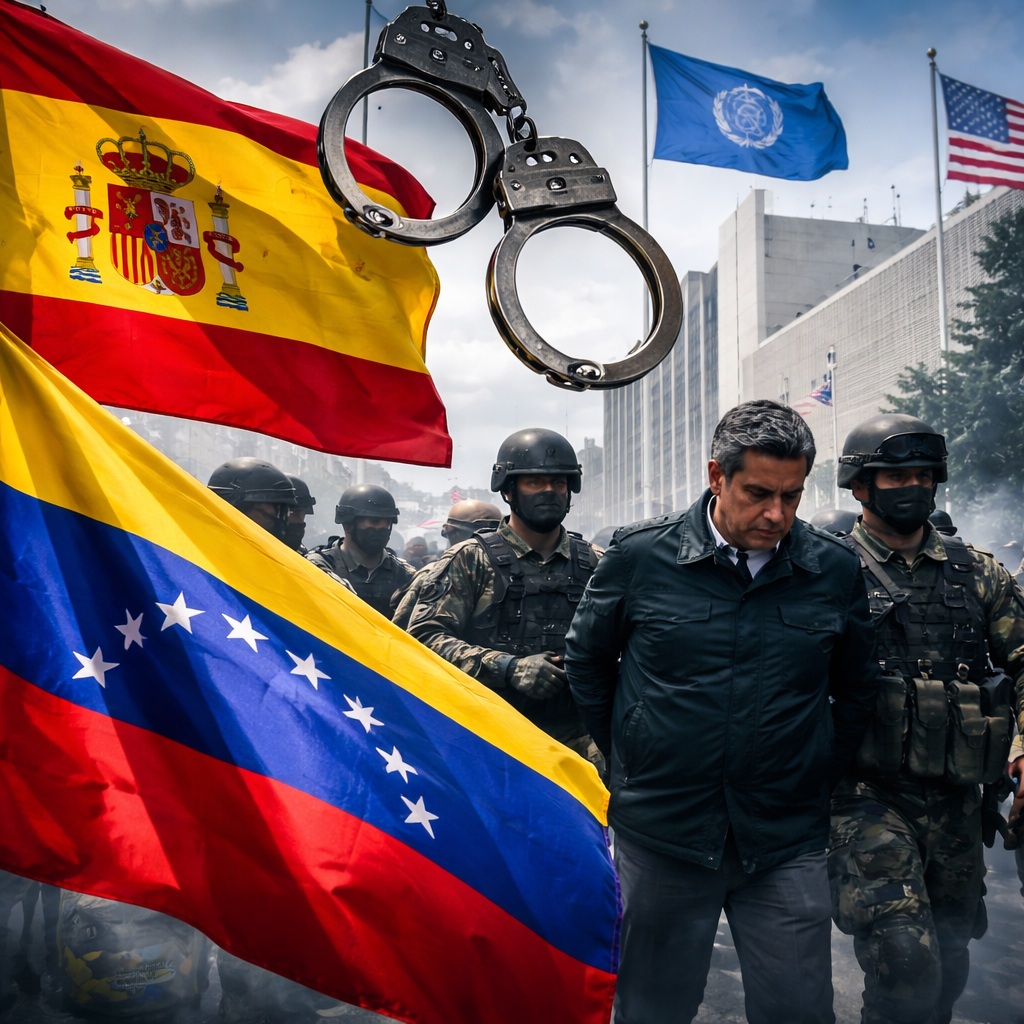
Madrid urges restraint and due process after reports of a U.S. operation involving President Nicolás Maduro stir diplomatic shockwaves
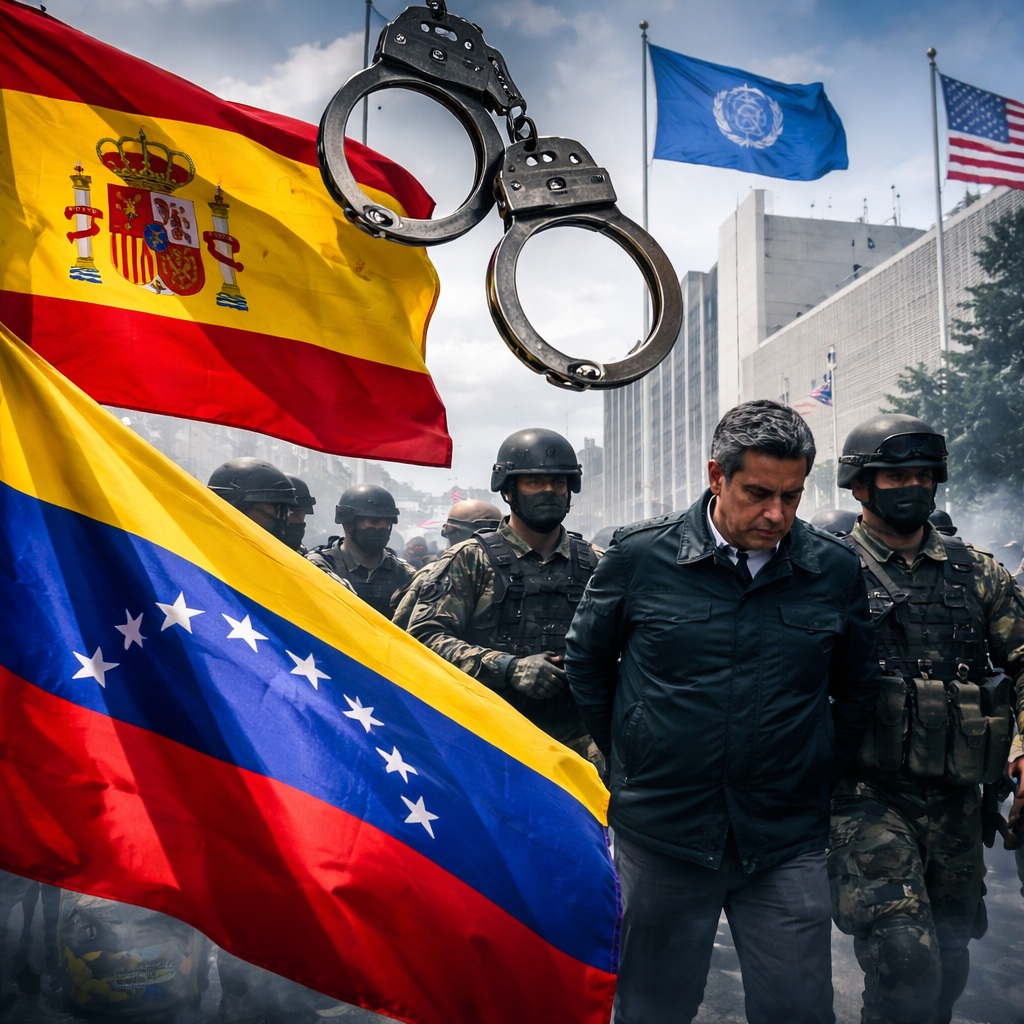
Madrid — The Spanish government has issued a forceful condemnation of what it describes as a potential violation of international law amid escalating tensions surrounding Venezuela, following reports of a U.S. operation that allegedly resulted in the capture of President Nicolás Maduro. While details remain contested and verification is ongoing, Spain’s response has been swift, underscoring deep concern over the precedent such actions could set for global order.
Spain’s prime minister, Pedro Sánchez, speaking after an extraordinary meeting with senior ministers and legal advisers, said that any extraterritorial action involving the detention of a sitting head of state would, if confirmed, represent “a grave breach of international law and the principles that underpin peaceful coexistence among nations.” He emphasized that Spain is calling for immediate clarification through diplomatic channels and multilateral institutions.
According to preliminary accounts circulating among diplomatic and media circles, U.S. authorities carried out an operation linked to long-standing accusations against the Venezuelan leader, including narcotics trafficking and human rights violations. Washington has not publicly confirmed the capture, and officials have limited their statements to reaffirming commitment to accountability and the rule of law. The lack of transparency has fueled speculation and concern across Europe and Latin America.
Spain’s foreign ministry stressed that the issue is not one of political alignment but of legal norms. “The international system cannot function on unilateral actions that bypass established legal frameworks,” a senior ministry official said. “If disputes are to be resolved, they must be addressed through courts, treaties, and multilateral consensus.”
The reaction from Madrid reflects broader unease within the European Union. Several member states have privately echoed Spain’s position, warning that any confirmed operation conducted without international mandate could undermine sovereignty and weaken already fragile diplomatic mechanisms. Calls are growing for an emergency session at the United Nations to assess the situation and prevent further escalation.
Venezuela’s government, for its part, has denounced the reports as an act of aggression and has demanded international solidarity. State media in Caracas portrayed the situation as a direct attack on national sovereignty, while opposition figures urged calm and transparency, wary of further destabilization in a country already grappling with economic hardship and social strain.
Spain’s historical ties to Venezuela add weight to its stance. Home to a large Venezuelan diaspora, Spain has repeatedly advocated dialogue and negotiated solutions to the country’s protracted crisis. Sánchez reiterated that position, insisting that “lasting stability in Venezuela will not come from force, but from inclusive political processes supported by the international community.”
Legal experts consulted by Spanish media noted that the alleged capture raises complex questions. While international law allows for cooperation on criminal matters, the detention of a head of state typically requires clear jurisdiction and due process. Any deviation, they argue, risks normalizing practices that could be used by powerful states against weaker ones.
As the situation continues to unfold, Spain has positioned itself as a vocal defender of multilateralism. Madrid is expected to coordinate closely with European partners in the coming days, pressing for verified information and a lawful path forward. Whether the reports are ultimately confirmed or refuted, the episode has already reignited debate over the balance between justice, sovereignty, and power in international relations.
For Spain, the message is clear: the rule of law must prevail, even — and especially — in moments of geopolitical tension.

 The Tower Post