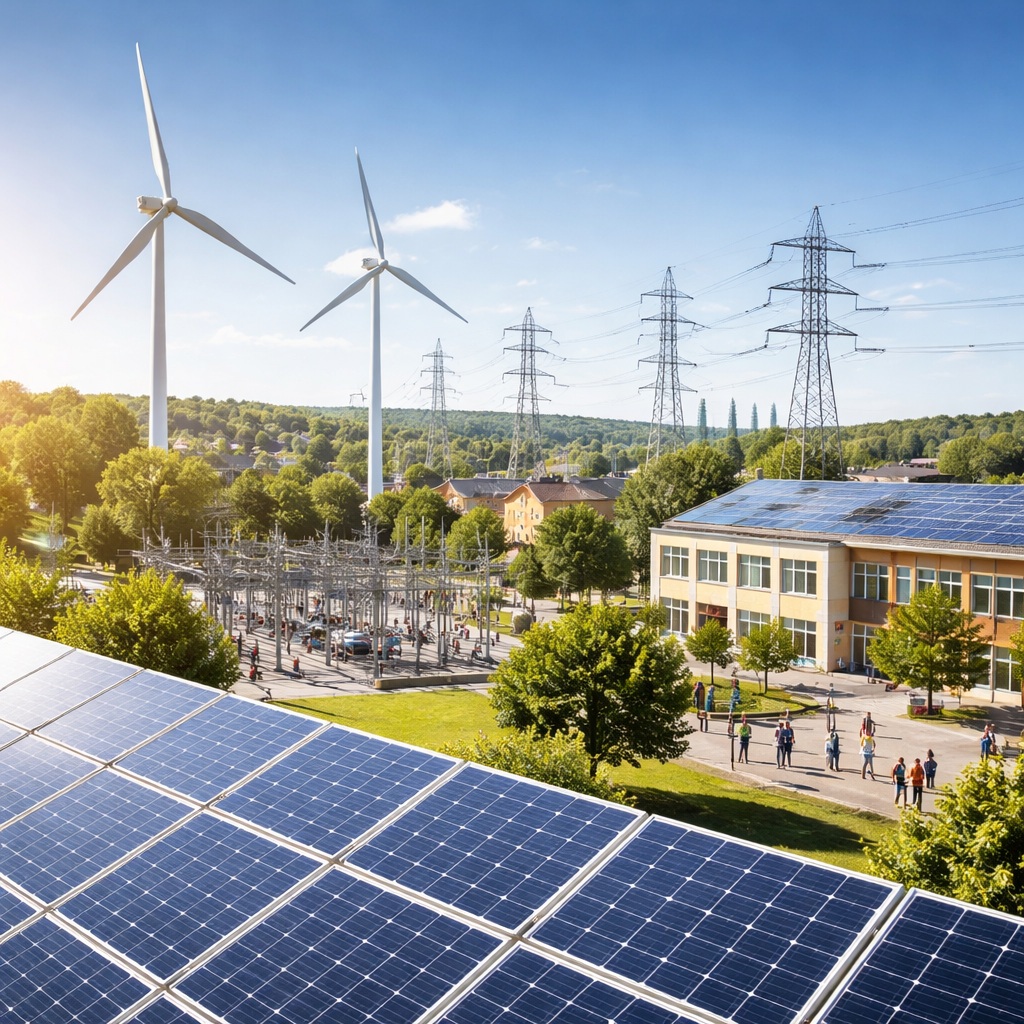
Fresh funding under the Public Sector Loan Facility backs renewable energy, grids, schools and social infrastructure across 12 member states, reinforcing the EU’s just transition agenda.
As Europe enters a decisive phase of its climate transition, the European Union has approved €252 million in new financing for public sector investments designed to accelerate the shift toward a greener and more resilient economy. The funding, allocated under the Public Sector Loan Facility (PSLF), supports 19 projects across 12 member states, targeting regions facing the most complex social and economic challenges linked to decarbonisation.
The package reflects the EU’s determination to ensure that climate neutrality goes hand in hand with social cohesion. By focusing on public infrastructure and services, the new projects aim to stimulate local economies, modernise essential systems, and provide tangible benefits to citizens as the transition away from fossil fuels gathers pace.
A tool for a fairer transition
The Public Sector Loan Facility is part of the Just Transition Mechanism, the EU’s flagship framework for supporting territories most affected by the green transition. Many of these regions have historically relied on carbon-intensive industries, making the shift toward climate-friendly models economically and politically sensitive.
Through a combination of EU grants and loans provided in cooperation with the European Investment Bank, the facility enables public authorities to undertake large-scale investments that might otherwise be financially out of reach. The newly approved €252 million will help unlock additional national and local funding, multiplying its impact on the ground.
According to EU officials, the latest round of approvals underscores a clear policy message: climate action must translate into concrete improvements in everyday life, particularly in communities undergoing structural change.
Renewable energy and modern grids
A significant share of the funded projects focuses on renewable energy production and electricity infrastructure. Investments include the development of solar and wind installations for public use, energy-efficient heating systems for municipal buildings, and upgrades to local electricity grids.
Modernising grids is seen as a critical priority as Europe integrates higher shares of renewable energy and electrifies sectors such as transport and heating. Strengthening grid capacity and resilience not only supports climate targets but also improves energy security and reduces long-term costs for consumers.
In several regions, the projects will also enable public authorities to become active players in local energy markets, generating clean power for schools, hospitals, and administrative buildings.
Education and social infrastructure at the core
Beyond energy, the funding package places strong emphasis on education, skills, and social infrastructure. New or renovated schools, vocational training centres, and university facilities are among the approved projects, reflecting the EU’s recognition that human capital is central to a successful transition.
As traditional industries decline, reskilling and upskilling workers is essential to avoid long-term unemployment and social exclusion. By investing in modern education facilities, local governments aim to prepare younger generations and displaced workers for emerging sectors such as renewable energy, digital services, and sustainable construction.
Social infrastructure projects, including healthcare facilities, community centres, and social housing, are also part of the mix. These investments are designed to improve quality of life and maintain social stability in regions facing economic restructuring.
Boosting local economies
EU policymakers stress that the benefits of the new funding extend well beyond climate objectives. Public investments have a strong multiplier effect, supporting local businesses, creating jobs, and attracting private capital.
Construction and renovation projects, in particular, are expected to provide immediate employment opportunities, while improved infrastructure lays the foundation for long-term growth. In regions that have experienced industrial decline, such stimulus is seen as vital to restoring confidence and economic dynamism.
Local authorities involved in the projects have highlighted the importance of predictable EU support, which allows them to plan multi-year investments and align local development strategies with European climate goals.
A signal ahead of a pivotal year
The approval of the 19 projects comes as the EU prepares for an intense phase of policy implementation under its climate and energy agenda. Member states are moving from planning to delivery, translating European targets into national and regional action.
By early in the year, the latest PSLF approvals send a clear signal that the EU intends to maintain momentum and back its commitments with substantial financial resources. The focus on public sector projects reflects an understanding that governments must lead by example, especially in areas where market forces alone may fall short.
Looking ahead, EU institutions have indicated that further rounds of support under the Just Transition Mechanism are expected, with demand from member states remaining strong. As climate policies reshape Europe’s economic landscape, the challenge will be to ensure that no region is left behind.
For communities across the 12 participating member states, the newly approved €252 million represents more than a budget line. It is a tangible step toward a transition that is not only green, but also fair, inclusive, and rooted in local realities.



 The Tower Post