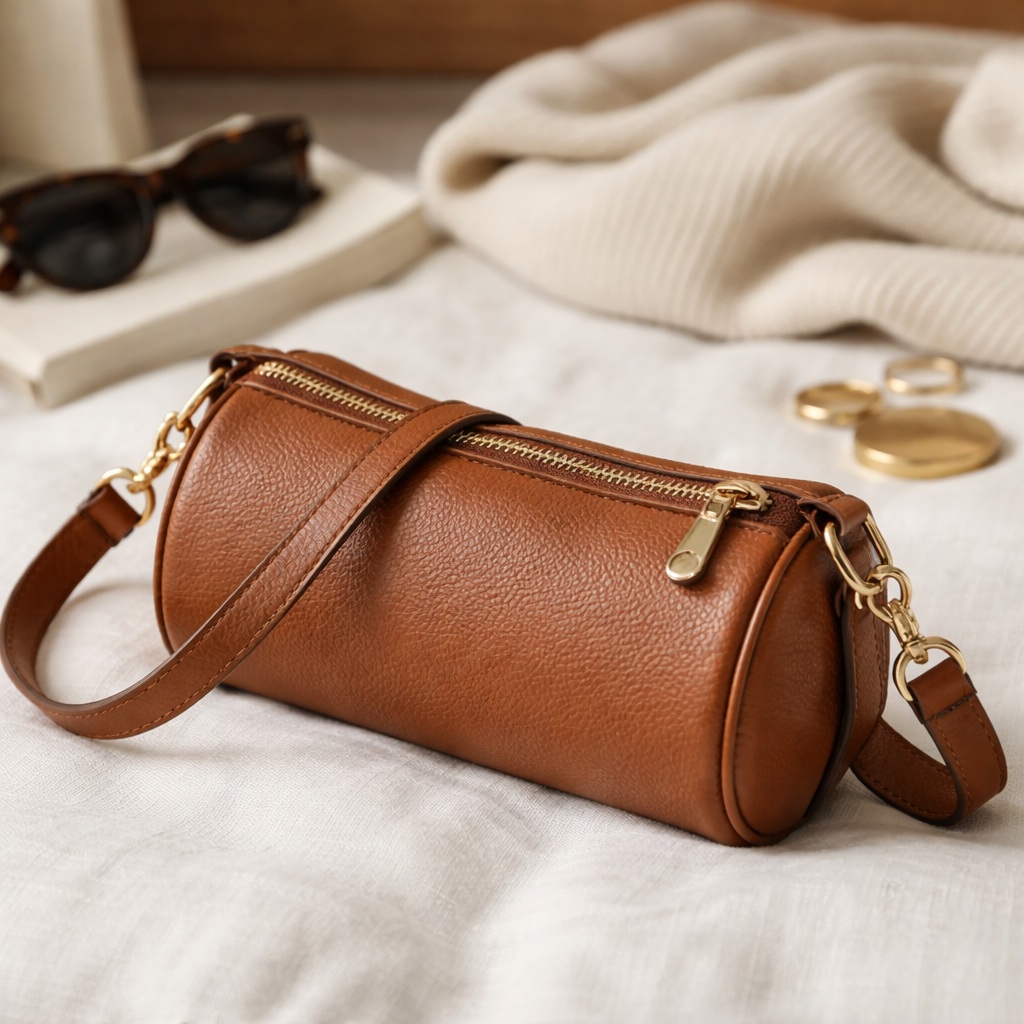
An understated $108 shoulder bag is selling out again as shoppers seek the look and feel of luxury without the four‑figure price tag.

In the ever-accelerating fashion cycle, where trends move from runway to street style at record speed, a quiet but telling shift is underway. Consumers are no longer chasing logos as status symbols; instead, they are scrutinizing materials, construction, and value. Nowhere is this more visible than in the rise of a compact Italian leather shoulder bag from Quince, which has become a breakout favorite as an accessible alternative to a minimalist designer icon.
The bag in question is Quince’s Italian leather mini barrel shoulder bag, a small, cylindrical silhouette crafted from full-grain leather and finished with a soft suede lining. Priced at $108, it has repeatedly sold out, propelled by social media buzz, word-of-mouth praise, and a growing appetite for “quiet luxury” aesthetics that do not demand luxury pricing.
At first glance, the appeal is visual. The bag’s clean barrel shape, subtle sheen, and neutral color palette echo the restrained elegance associated with high-end fashion houses. Its resemblance to a much pricier designer version—retailing for well over a thousand dollars—has not gone unnoticed. But to frame the bag’s popularity as mere imitation would miss the deeper point. What consumers appear to be responding to is not just the look, but the proposition.
Quince has built its brand around a direct-to-consumer model that emphasizes premium materials and transparent pricing. The mini barrel bag is made in Italy using full-grain leather, a detail often reserved for significantly more expensive accessories. Inside, the suede lining adds a tactile softness that elevates the everyday experience of use. The hardware is minimal, the branding discreet to the point of invisibility, and the overall effect is intentionally timeless.
Functionality has also played a role in the bag’s success. While compact, the interior offers enough room for daily essentials—phone, wallet, keys, and a few personal items—without feeling bulky. The adjustable shoulder strap allows it to be worn close to the body or slightly longer for a more relaxed look, making it suitable for errands, commuting, or evenings out. In a market saturated with novelty designs, this kind of versatility stands out.
Shoppers reviewing the bag consistently highlight how “expensive” it feels for the price. Many describe being surprised by the weight and softness of the leather, noting that it compares favorably with bags they already own from heritage luxury brands. Others point to the stitching and structure, praising the craftsmanship and durability after weeks of regular use. The sentiment that emerges is one of discovery: the sense of having found something special without overpaying.
This reaction reflects a broader trend reshaping the accessories market. As inflation and economic uncertainty continue to influence spending habits, consumers are becoming more selective. Rather than buying fewer luxury items or abandoning quality altogether, many are turning to brands that offer what might be called “attainable excellence.” These are products that deliver on material integrity and design restraint, while remaining within reach of a wider audience.
The success of Quince’s bag also underscores the power of minimalist design in the current fashion landscape. With maximalist logos and overt branding falling out of favor, accessories that signal taste through proportion and finish are gaining ground. A simple leather bag, well made and thoughtfully priced, becomes a kind of cultural statement—one that suggests discernment rather than display.
From an industry perspective, this shift presents both a challenge and an opportunity. Established luxury houses must now contend with a consumer who is more informed and less willing to equate price with quality by default. At the same time, brands like Quince are proving that there is significant demand for products that bridge the gap between mass market and luxury, especially when they are transparent about sourcing and production.
The repeated sell-outs of the mini barrel bag indicate that this is not a fleeting viral moment. Instead, it appears to be part of a sustained rethinking of how people invest in their wardrobes. Accessories, once used primarily to signal status, are being re-evaluated as long-term companions—objects meant to be worn often, styled easily, and appreciated up close.
As the bag continues to cycle in and out of stock, its popularity offers a snapshot of fashion’s current mood. Shoppers are no longer asking whether something carries a famous name; they are asking how it feels, how it functions, and whether it earns its place in daily life. In answering those questions convincingly, Quince’s Italian leather mini barrel shoulder bag has become more than an alternative. It has become a symbol of where modern luxury is headed.