Strikes on Odesa-region seaports underscore the strategic battle over logistics and civilian resilience
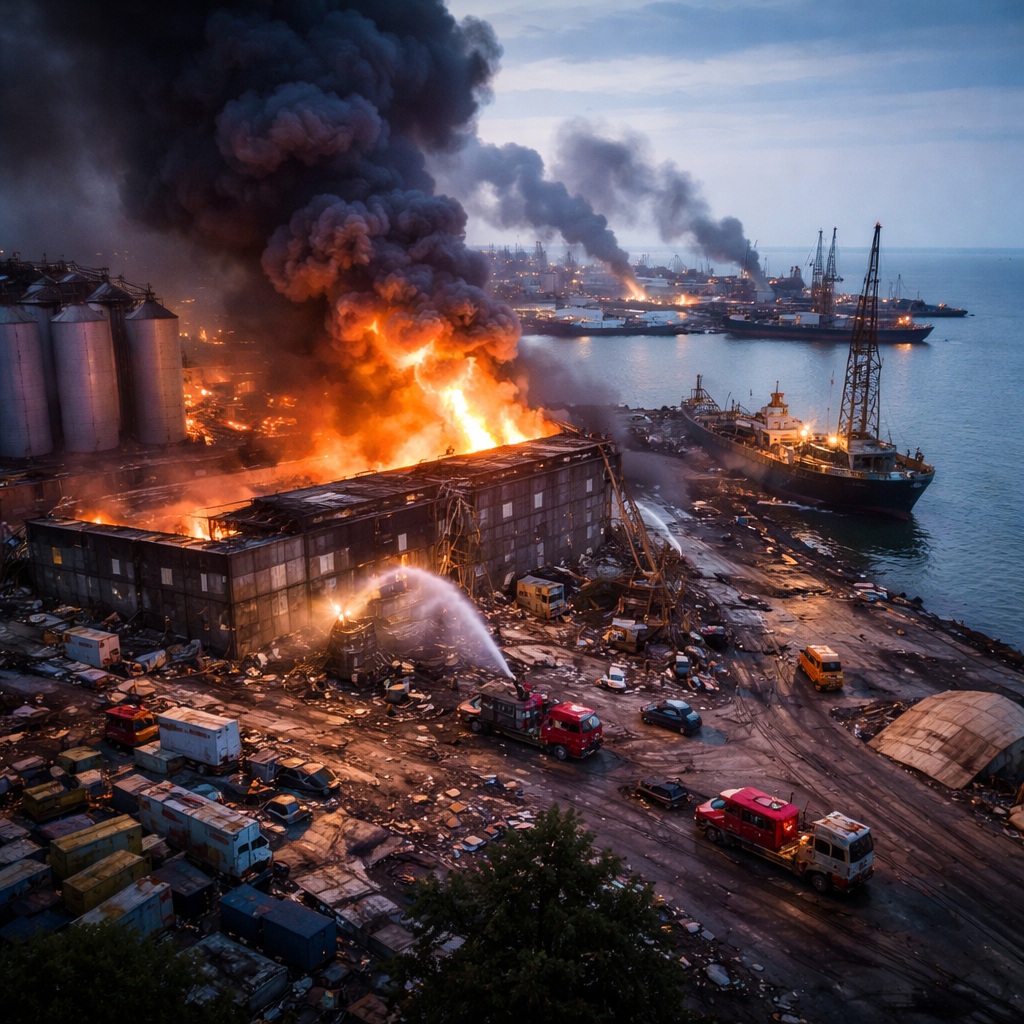
Russian forces carried out coordinated attacks on two Ukrainian seaports in the southern Odesa region, Ukrainian officials said, underscoring the continuing intensity of the war and the central role of logistics infrastructure in Moscow’s campaign against Kyiv.
According to regional authorities, the strikes targeted port facilities used for commercial shipping and logistical support. One civilian was killed and several others were wounded, officials reported, as emergency services worked through the aftermath of the attacks. Damage assessments were still ongoing, but local administrators described impacts on warehouses, loading areas, and nearby civilian structures.
The attacks came as air-raid sirens echoed across the Black Sea coast, a reminder that the region remains a focal point of the conflict. Odesa and its surrounding ports have long been vital to Ukraine’s economy, serving as gateways for agricultural exports and other goods even amid wartime restrictions. Repeated strikes on port infrastructure, analysts say, reflect a broader Russian strategy aimed at weakening Ukraine’s economic lifelines while stretching its air-defense capabilities.
Ukrainian officials said air defenses were activated during the assault, intercepting some incoming drones and missiles. Nevertheless, debris and direct hits caused casualties and damage on the ground. Medical teams transported the wounded to local hospitals, while firefighters battled blazes that broke out near port installations.
“These ports are not just economic assets; they are symbols of Ukraine’s ability to endure,” a regional official said in a televised briefing. “Every attack is an attempt to isolate us and to disrupt our connection with the world.”
Since the start of the full-scale invasion, the Black Sea region has been a contested space, with Russia seeking to exert pressure through naval power, missile strikes, and drone attacks. Ukraine, for its part, has invested heavily in air-defense systems and coastal security, seeking to keep maritime routes functional despite the risks.
International observers note that port strikes often have ripple effects beyond immediate physical damage. Insurance costs for shipping rise, exporters face delays, and global markets watch closely for signs of disruption to grain and energy flows. Even limited damage can have outsized economic consequences.
Kyiv has repeatedly accused Moscow of deliberately targeting civilian-linked infrastructure under the guise of military objectives. Russian officials, meanwhile, maintain that their forces strike only what they describe as legitimate military targets, a claim Ukraine and its allies reject.
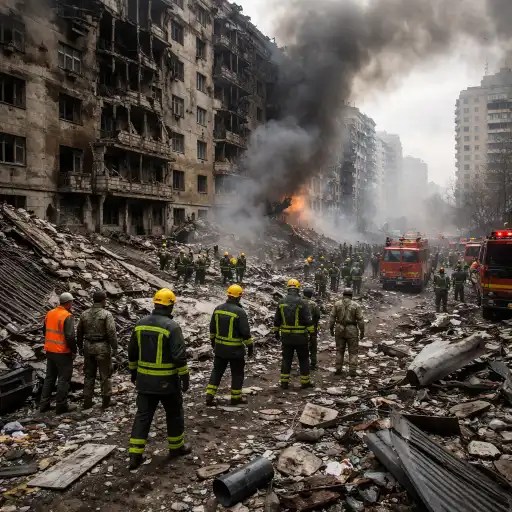
As rescue crews cleared rubble and investigators documented the scene, residents of nearby communities once again confronted the realities of a war that shows little sign of abating. For many in southern Ukraine, the rhythm of daily life continues to be punctuated by alerts, explosions, and the slow work of rebuilding.
The latest attacks serve as a stark illustration of how the conflict has settled into a grinding phase, marked by persistent strikes and incremental damage. While front lines may shift only marginally, the battle over infrastructure, morale, and economic survival remains intense.
Ukrainian leaders have renewed calls for additional air-defense support from partners, arguing that protecting ports and other critical nodes is essential not only for national resilience but for global food and trade security. As winter deepens and the war enters another year, the ports of the Black Sea coast remain on the front line of a conflict whose consequences extend far beyond Ukraine’s borders.



 The Tower Post