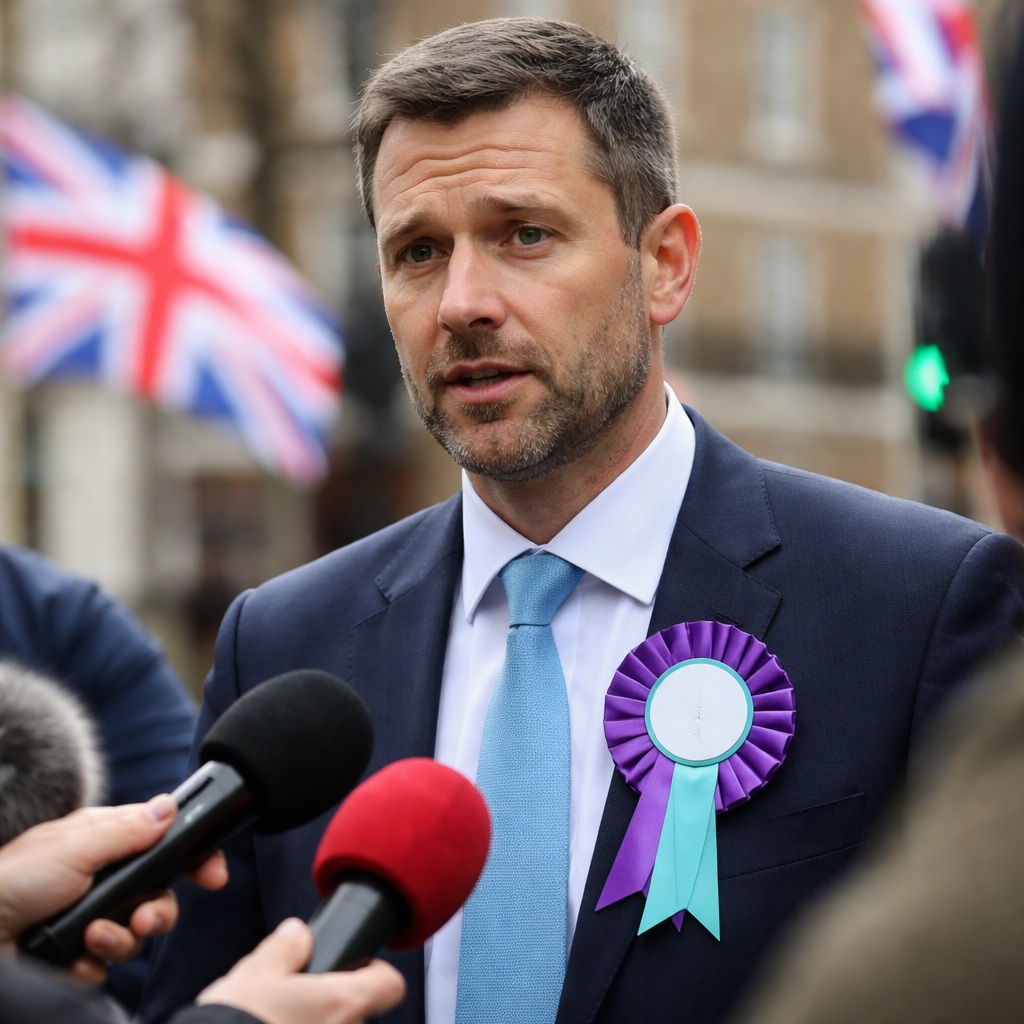
A controversial social media post by a Reform UK mayoral hopeful fuels debate over race, accountability, and campaign conduct.
A mayoral candidate from Reform UK has issued a public apology after a racially charged social media post resurfaced during the heat of the local election campaign, triggering renewed debate over standards in public life and the impact of online rhetoric on democratic trust.
The message, shared on the social platform formerly known as Twitter, was widely criticised for language perceived as stereotyping and divisive. Screenshots circulated rapidly across local networks, prompting condemnation from political opponents, community leaders, and civil society groups. Within hours, the candidate removed the post and released a statement expressing regret.
In the apology, the candidate acknowledged that the wording was offensive and said it failed to reflect their personal values or respect for the diverse communities they seek to represent. They described the tweet as a lapse in judgment and committed to engaging more constructively in public debate.
The episode has sharpened focus on how candidates conduct themselves online, particularly during an election cycle marked by heightened sensitivity around immigration, identity, and economic pressure. Social media, long a tool for direct voter engagement, has increasingly become a liability for politicians whose past posts are scrutinised in real time.
Local party figures moved quickly to distance the campaign from the remarks, reiterating that discriminatory language has no place in civic discourse. While stopping short of withdrawing support, senior voices within the party emphasised the need for internal standards and clearer guidance for candidates.
Opposition parties seized on the controversy as evidence of broader cultural problems within populist movements, arguing that the incident undermines claims of representing “ordinary voters.” Some called for formal investigations by electoral authorities, while others urged voters to judge the response rather than the original offence alone.
Community organisations reported a surge of concern from residents who felt targeted by the language used in the post. Several groups used the moment to call for stronger commitments from all candidates on inclusion and mutual respect, warning that political speech can have real-world consequences beyond the campaign trail.
Political analysts note that while apologies can stem immediate fallout, their effectiveness depends on consistency and follow‑through. In tightly contested local races, even brief controversies can shift momentum, particularly among undecided voters wary of polarising figures.
As campaigning continues, the incident serves as a reminder that digital footprints are now inseparable from political credibility. For candidates seeking executive office at the local level, personal conduct is increasingly viewed as a proxy for governing style.
With polling day approaching, the apology has become part of a wider conversation about accountability, free expression, and the responsibilities that come with public ambition. Whether the controversy fades or leaves a lasting mark may depend less on the original tweet than on how convincingly lessons are learned in its aftermath.



 The Tower Post