
Global brands, technology leaders, and fashion innovators converge in New York to map the year ahead for retail.
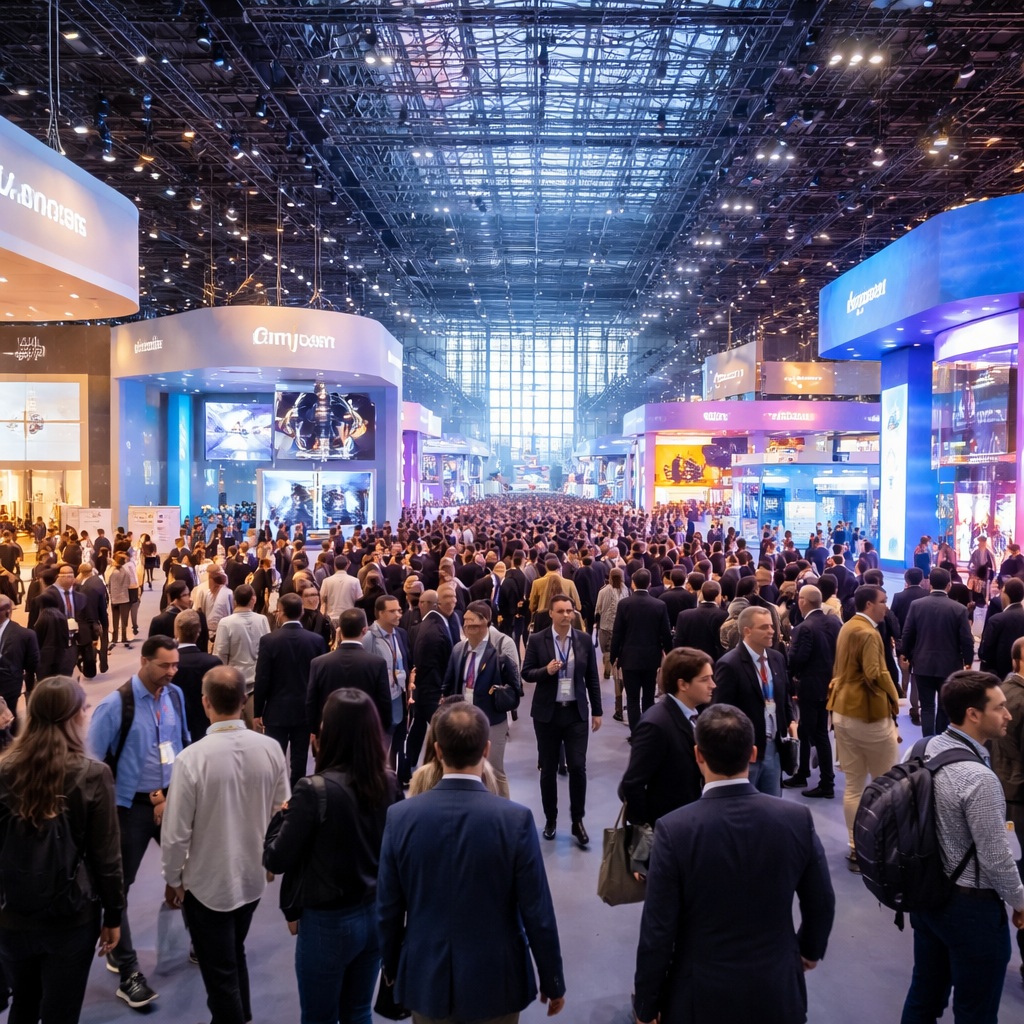
New York once again becomes the global capital of retail as the NRF 2026 Retail’s Big Show opens its doors, drawing thousands of executives, entrepreneurs, designers, and technology providers from every corner of the world. Organized by the National Retail Federation, the event stands as the industry’s most influential annual gathering, offering a panoramic view of how commerce, fashion, and consumer behavior are evolving in a moment defined by rapid change and cautious optimism.
With more than 5,000 exhibitors spread across a vast exhibition floor, the show reflects the sheer scale and complexity of modern retail. From heritage department stores and luxury fashion houses to fast-growing digital-native brands and early-stage startups, the diversity of participants underscores a shared urgency: adapting to consumers who are more connected, more selective, and more value-driven than ever before.
At the heart of this year’s edition is a renewed focus on resilience. After years marked by supply chain disruptions, inflationary pressures, and shifting geopolitical dynamics, retailers are arriving in New York determined to strengthen their foundations. Conversations across keynote stages and private meeting rooms revolve around operational flexibility, smarter inventory management, and the use of data to anticipate demand rather than simply react to it.
Technology, as expected, plays a central role. Artificial intelligence is no longer framed as a futuristic experiment but as an operational necessity. Exhibitors showcase AI-driven tools for demand forecasting, personalized marketing, dynamic pricing, and customer service automation. The message is consistent: retailers that successfully integrate intelligence across the value chain will be better positioned to protect margins while delivering more relevant experiences.
Fashion brands, in particular, are using the show to signal a shift toward more disciplined creativity. Designers and executives speak about balancing trend responsiveness with longer product lifecycles, aiming to reduce waste while maintaining desirability. Sustainability remains a key theme, but the tone has matured. Rather than broad promises, brands highlight measurable actions, from traceable materials and circular design models to localized production strategies that reduce environmental impact.
The exhibition floor itself tells a story of convergence. Technology providers are no longer confined to back-office solutions; instead, they present tools that directly shape the consumer journey. Virtual fitting technologies, immersive store concepts, and advanced point-of-sale systems illustrate how physical and digital retail are continuing to merge. The store of the future, many agree, is not about choosing between online and offline, but about creating seamless, human-centered experiences across both.
Global participation adds another layer of insight. Delegations from Europe, Asia, the Middle East, and Latin America bring perspectives shaped by different consumer expectations and regulatory environments. This international presence reinforces the idea that while retail strategies must be locally relevant, innovation is increasingly global. Trends spotted in one market are quickly tested, adapted, and scaled in others.
Economic uncertainty looms in the background, but it does not dominate the mood. Instead, there is a pragmatic confidence that the industry has learned hard lessons in recent years. Retail leaders emphasize agility over expansion for its own sake, focusing on profitable growth, loyal customer bases, and strong brand identities. Investment priorities lean toward technology, talent, and partnerships rather than sheer footprint.
The conference program mirrors these priorities. Sessions delve into leadership in times of change, the evolving role of the store associate, and the importance of trust in an era of data-driven personalization. Speakers repeatedly highlight that technology alone is not enough; success depends on culture, ethics, and the ability to align innovation with clear brand purpose.
As the show unfolds, one theme becomes unmistakable: retail is entering a phase of recalibration. The exuberant experimentation of previous years is giving way to more intentional strategies, grounded in data and guided by long-term vision. NRF 2026 does not promise easy answers, but it offers a clear sense of direction.
For an industry accustomed to constant disruption, that clarity is valuable. As attendees move between packed halls, private briefings, and spontaneous conversations, the prevailing sentiment is one of cautious momentum. Retail’s future, as showcased in New York, will be shaped not by a single breakthrough, but by countless smart decisions made across technology, design, and human connection.
In that sense, NRF 2026 Retail’s Big Show serves its enduring purpose: not just as a marketplace of ideas and solutions, but as a collective moment of reflection. From the world’s largest brands to its most ambitious startups, the message is clear. The year ahead belongs to those who can listen closely to consumers, act decisively, and build retail models fit for a more complex, more conscious global economy.




 The Tower Post