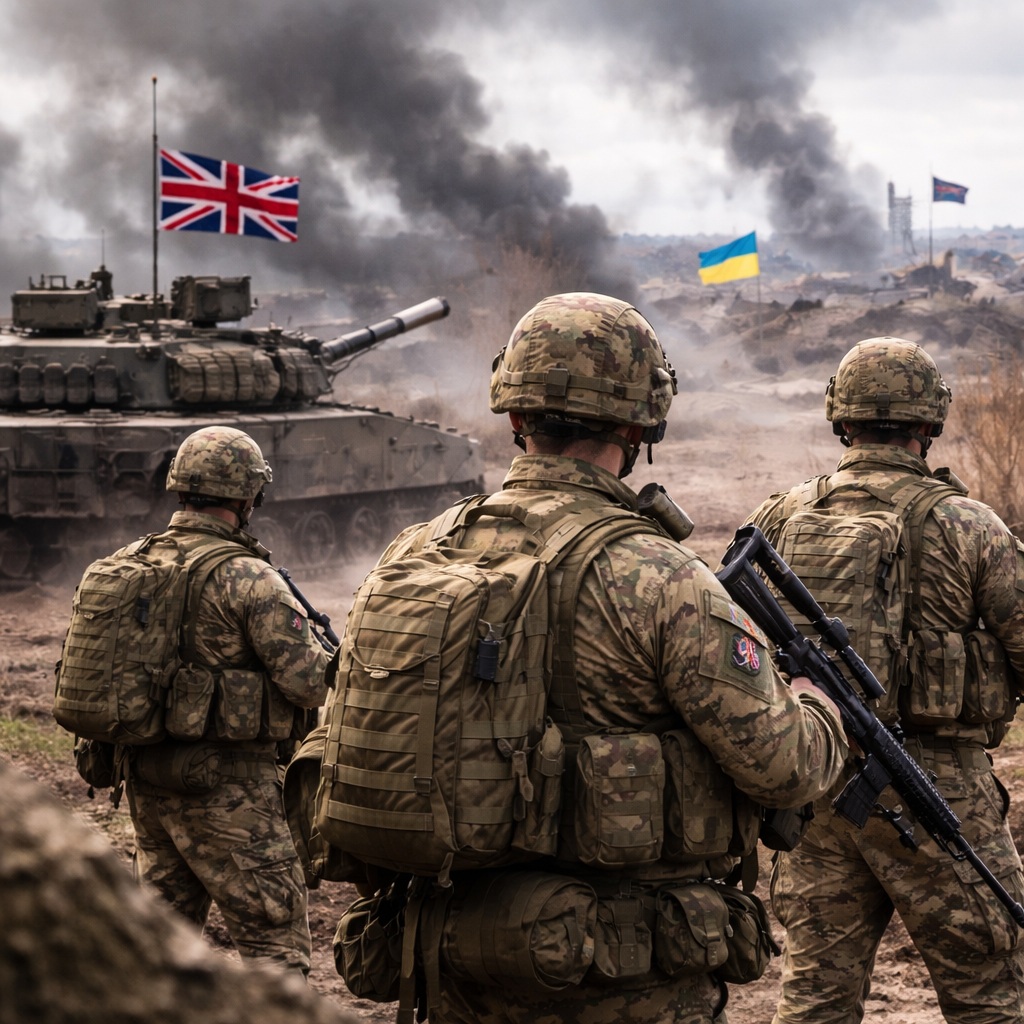
Britain sets aside major funding to ready troops for a possible ceasefire mission, underscoring long-term war preparedness.
As winter deepens across Europe, the United Kingdom is quietly moving from rhetoric to readiness. The British government has confirmed the allocation of approximately $270 million to prepare its armed forces for a potential deployment to Ukraine, should a ceasefire open the door to an international stabilization mission. The move signals that London is planning not for the end of the war, but for what comes after it.
Senior defense officials describe the funding as a precautionary investment rather than an imminent deployment order. Yet the scale of the allocation reflects a recognition that any pause in fighting would likely require credible military backing. In Whitehall, the prevailing view is that a ceasefire without enforcement mechanisms could quickly unravel.
The funding will be directed toward training, logistics, equipment upgrades, and interoperability with allied forces. British troops would not be expected to enter active combat zones but could be tasked with monitoring ceasefire lines, securing key infrastructure, and supporting Ukrainian forces in maintaining stability. Officials emphasize that any deployment would occur only under a multilateral framework, likely involving NATO partners and European allies.
The decision places the UK among the most forward-leaning supporters of Ukraine. Since the early stages of the conflict, Britain has provided weapons, intelligence support, and training to Ukrainian forces. This latest step reflects a belief within the defense establishment that Europe must be prepared for a prolonged period of instability, even if large-scale fighting subsides.
Military planners caution that a ceasefire in Ukraine would not necessarily mean peace. Front lines could remain volatile, and the risk of renewed escalation would persist. Preparing troops in advance, they argue, is essential to ensure that Britain can respond quickly without scrambling resources at the last moment.
Politically, the move carries both risks and rewards. Supporters say it demonstrates leadership and resolve at a time when European security norms are under strain. Critics warn that preparing for deployment could entangle Britain more deeply in a conflict with unpredictable consequences. Public opinion remains divided, with broad sympathy for Ukraine tempered by concerns about direct military involvement.
For the armed forces, the funding represents an opportunity to refine capabilities developed over the past several years. Joint exercises, battlefield medical training, and logistics planning are expected to intensify. Defense analysts note that such preparations also strengthen the UK’s overall readiness, regardless of whether troops ultimately deploy.
As diplomatic efforts continue, Britain’s message is clear: a ceasefire would not mark a return to business as usual. Instead, it would usher in a new phase requiring vigilance, resources, and sustained commitment. By preparing now, the UK is signaling that it intends to play a central role in shaping whatever fragile stability might follow the guns falling silent.


 The Tower Post