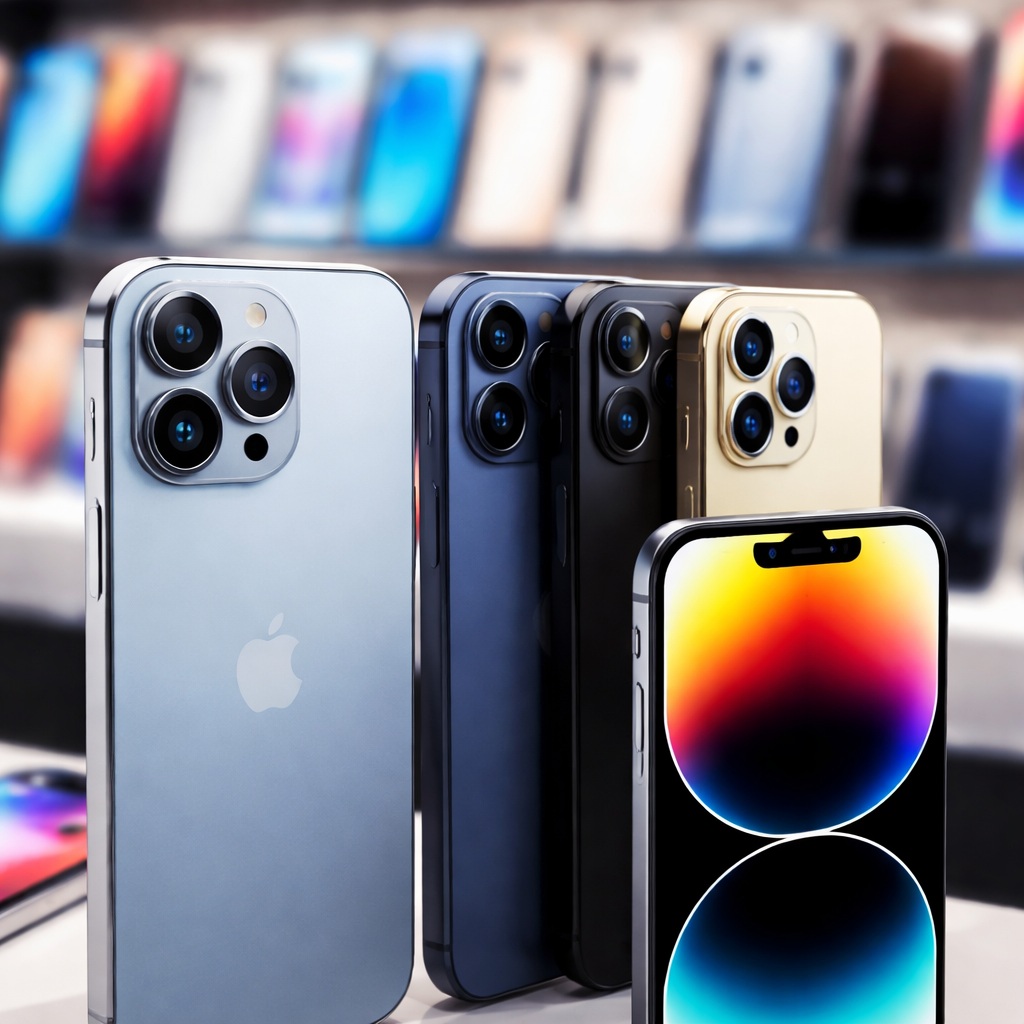
Counterpoint Research data indicates the iPhone maker closed the year as the world’s leading smartphone vendor, buoyed by steady demand, ecosystem loyalty, and resilient premium sales.
Apple ended 2025 at the top of the global smartphone market, consolidating its position as the industry’s single largest vendor by shipments, according to recent assessments from Counterpoint Research. The findings underscore a year marked by cautious consumer spending, uneven regional recoveries, and a clear tilt toward brands able to defend margins while sustaining demand.
Industry analysts estimate that Apple captured roughly one-fifth of worldwide smartphone shipments over the course of the year, edging ahead of long‑time rivals in a market that remains intensely competitive. More significantly for investors and supply‑chain partners, Apple’s shipments rose on a year‑on‑year basis, defying the broader narrative of stagnation that has shadowed the sector since the post‑pandemic slowdown.
A market shaped by restraint
The global smartphone industry spent much of 2025 navigating muted replacement cycles and heightened price sensitivity. Inflationary pressures and geopolitical uncertainty continued to weigh on discretionary spending in several regions, prompting consumers to hold on to devices longer than in previous upgrade cycles. Against this backdrop, Apple’s performance stood out not for explosive growth, but for consistency.
“Apple benefited from a unique mix of brand loyalty and ecosystem stickiness,” said one industry analyst tracking the market. “Even when consumers delay upgrades, they tend to come back to the same platform.”
Premium resilience
A key driver of Apple’s leadership was the relative resilience of the premium segment. While entry‑level and mid‑range devices faced intense price competition—particularly from Chinese manufacturers—high‑end smartphones proved more resistant to demand erosion. Apple’s flagship models continued to attract buyers seeking long‑term software support, hardware longevity, and seamless integration with other Apple devices.
In mature markets such as North America and parts of Europe, carrier promotions and trade‑in programs softened the impact of higher list prices. In emerging markets, Apple expanded its footprint through older‑generation models and localized financing options, broadening its addressable audience without diluting its premium positioning.
Ecosystem as a moat
Beyond hardware, Apple’s broader ecosystem played a decisive role. Services tied to the iPhone—ranging from cloud storage and payments to entertainment and health—reinforced customer retention and increased the perceived value of staying within the Apple universe. This ecosystem effect has become an increasingly important differentiator as hardware innovation across the industry grows more incremental.
Counterpoint analysts note that this strategy allowed Apple to weather regional fluctuations more effectively than competitors heavily exposed to a single geography or price tier.
Competitive landscape
Apple’s ascent did not come at the expense of a weakened field. Rivals such as Samsung, Xiaomi, and other Android manufacturers remained formidable, particularly in markets where affordability is paramount. However, the fragmented nature of the Android ecosystem contrasted with Apple’s focused portfolio and global brand coherence.
In China, one of the world’s most competitive smartphone arenas, Apple faced renewed pressure from domestic brands, yet managed to hold its ground through brand appeal and retail expansion. In India and Southeast Asia, gradual market maturation and rising disposable incomes offered Apple longer‑term growth opportunities, even as volumes remained smaller than in established markets.
Looking ahead
As the industry enters 2026, the key question is whether Apple can sustain its momentum in a market still searching for its next growth catalyst. Analysts point to advances in on‑device artificial intelligence, camera technology, and battery efficiency as potential drivers of renewed consumer interest.
For now, Apple’s 2025 performance serves as a case study in strategic endurance. In a year defined less by rapid expansion than by careful navigation, the company leveraged scale, loyalty, and ecosystem strength to lead the global smartphone market—an achievement that underscores the shifting dynamics of a maturing industry.




 The Tower Post