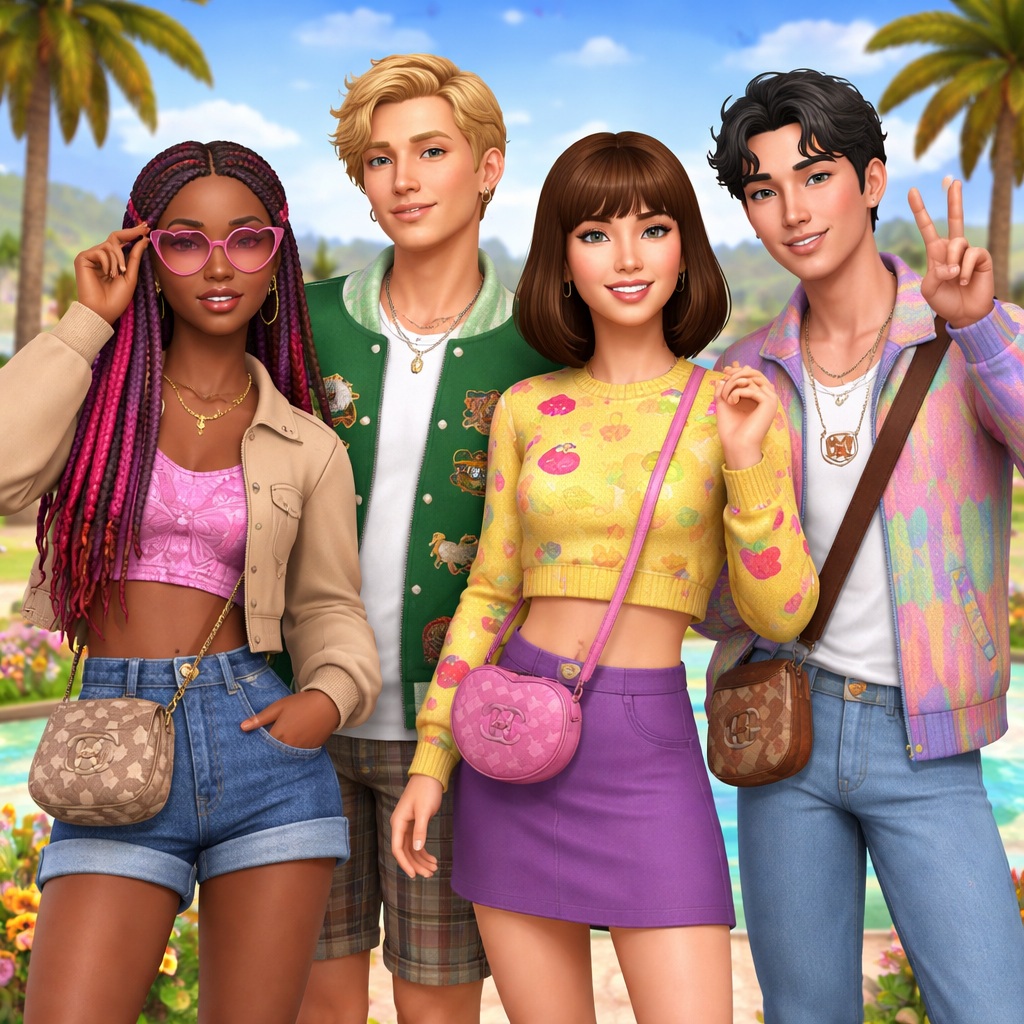
The heritage fashion house debuts a co-designed digital collection inside the iconic life-simulation game, signaling how brands are rethinking culture, commerce, and creativity at the intersection of gaming and style.
In the ever-expanding universe where fashion meets technology, Coach has taken a decisive step into interactive culture. This month, the American luxury brand unveiled a co-designed collection inside The Sims 4, one of the world’s most enduring and widely played life-simulation games. The move underscores how fashion houses are increasingly embracing gaming platforms not as novelties, but as meaningful spaces where identity, creativity, and style are actively shaped.
The collaboration introduces a curated range of virtual accessories and apparel inspired by Coach’s signature codes: polished leather aesthetics, heritage silhouettes, and playful motifs that nod to youthful self-expression. Within the game, players can dress their Sims in pieces that echo real-world Coach designs, blending timeless craftsmanship with the colorful, customizable spirit that defines The Sims franchise.
For Coach, the initiative represents more than a digital capsule. It is a strategic expansion of the brand’s cultural footprint, reaching a generation that increasingly experiences fashion first through screens rather than storefronts. The Sims 4, known for its open-ended storytelling and deep personalization, offers an environment where players experiment freely with identity—an ideal context for a brand that has been repositioning itself around inclusivity, optimism, and self-discovery.
Industry observers note that fashion’s relationship with gaming has matured rapidly. What began as experimental skins and one-off collaborations has evolved into carefully considered design partnerships. Coach’s approach stands out for its balance between fidelity to brand heritage and adaptation to a playful, virtual-first aesthetic. Rather than simply replicating physical products, the collection reinterprets them to suit the exaggerated proportions and expressive freedom of the game.
Players can integrate the Coach items seamlessly into everyday gameplay, whether styling a Sim for a casual neighborhood stroll or a more aspirational social moment. This everyday integration reflects a broader shift in luxury strategy: meeting consumers where they already spend time, rather than expecting them to seek out the brand through traditional channels alone.
The timing of the launch is also telling. As conversations around digital identity intensify, gaming platforms are emerging as cultural hubs that rival social media in influence. Within The Sims 4, fashion is not about trend cycles but about storytelling—who a character is, how they live, and what they value. By entering this space, Coach aligns itself with a form of expression that feels personal, immersive, and emotionally resonant.
From a business perspective, the collaboration highlights how digital fashion can support physical brand equity. While the in-game items are virtual, their impact is tangible: heightened brand awareness, renewed relevance among younger audiences, and a demonstration of creative agility. Coach has made clear that the digital and physical worlds are not competing arenas, but complementary ones.
As luxury brands continue to navigate a rapidly shifting landscape, Coach’s presence in The Sims 4 offers a glimpse of fashion’s future—one where garments are not confined to closets, and where style lives as much in pixels as it does in leather and fabric. The collection suggests that the next chapter of fashion storytelling may be written not on the runway, but inside the worlds players build for themselves.




 The Tower Post