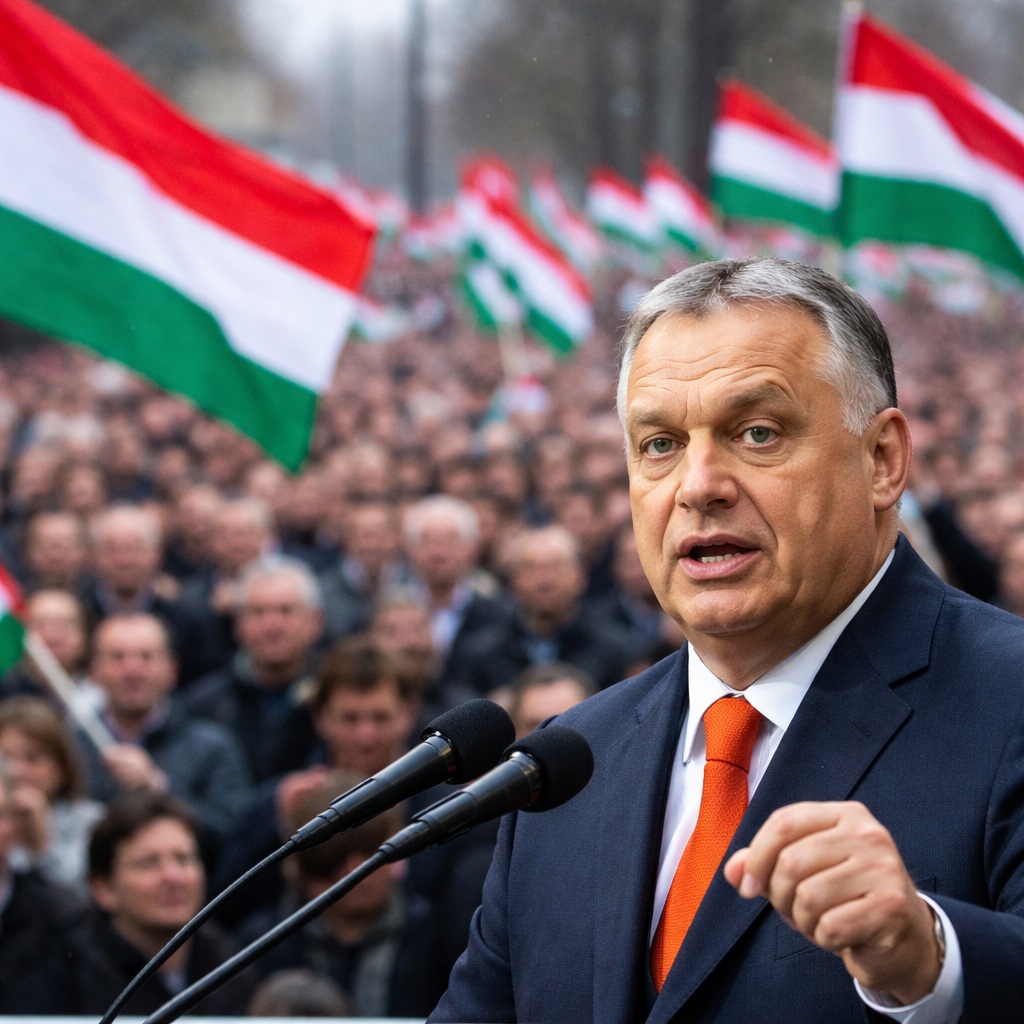
A resurgent opposition, polarized voters, and high European stakes converge as Viktor Orban confronts his toughest political moment in years.
Hungary is heading into a pivotal national election with an intensity rarely seen in the past decade. Prime Minister Viktor Orban, the dominant figure of Hungarian politics since 2010, is facing a level of opposition that challenges his long-standing grip on power and could reverberate far beyond the country’s borders.
For years, Orban’s nationalist government has appeared electorally unassailable. His party reshaped the political landscape through constitutional reforms, tight control of public messaging, and a narrative built on sovereignty, cultural identity, and resistance to external pressure—particularly from Brussels. This time, however, the atmosphere feels different. Campaign rallies are larger, online debates sharper, and voter turnout is expected to be high, fueled by a sense that the outcome may genuinely be in question.
At the center of the contest is Orban himself, a leader who has redefined Hungary’s place in Europe. He has portrayed the election as a referendum on stability versus uncertainty, warning that a change in government would expose the country to economic and security risks. His messaging emphasizes continuity, national independence, and a promise to shield Hungarian households from inflation and external shocks.
Yet the opposition, fragmented for years, has managed to mobilize with unusual discipline. Civic groups, urban voters, and younger Hungarians are energizing the campaign, arguing that democratic institutions have been weakened and that economic growth has benefited a narrow circle of allies. Corruption allegations, strains on public services, and tensions with European partners have become central themes.
Rural areas remain a stronghold for Orban’s supporters, where state media and local networks reinforce loyalty to the ruling party. In cities, particularly the capital, the mood is more volatile. Cafés, universities, and social media platforms buzz with debate over Hungary’s future direction. Many voters describe the election less as a choice between parties than as a decision about the country’s democratic trajectory.
The European dimension looms large. Orban’s confrontations with EU institutions over rule-of-law standards and budgetary oversight have made Hungary a focal point in broader debates about democratic backsliding in central Europe. A decisive victory for the prime minister would embolden similar movements elsewhere, while a strong showing by the opposition could reshape negotiations between Budapest and Brussels.
Economics also plays a decisive role. While the government highlights wage growth and social programs, critics point to persistent inequality and rising living costs. Businesses watch closely, aware that shifts in policy could influence investment and relations with foreign partners.
As election day approaches, both camps are urging supporters to turn out, framing the vote as historic. Whether Orban secures another mandate or faces a weakened position, the result is expected to mark a turning point. Hungary’s voters are not only choosing a government; they are signaling how they see their place in Europe and the balance between national control and shared continental values.
Whatever the outcome, the election underscores a reality that once seemed improbable: Viktor Orban’s dominance is no longer taken for granted.
 The Tower Post