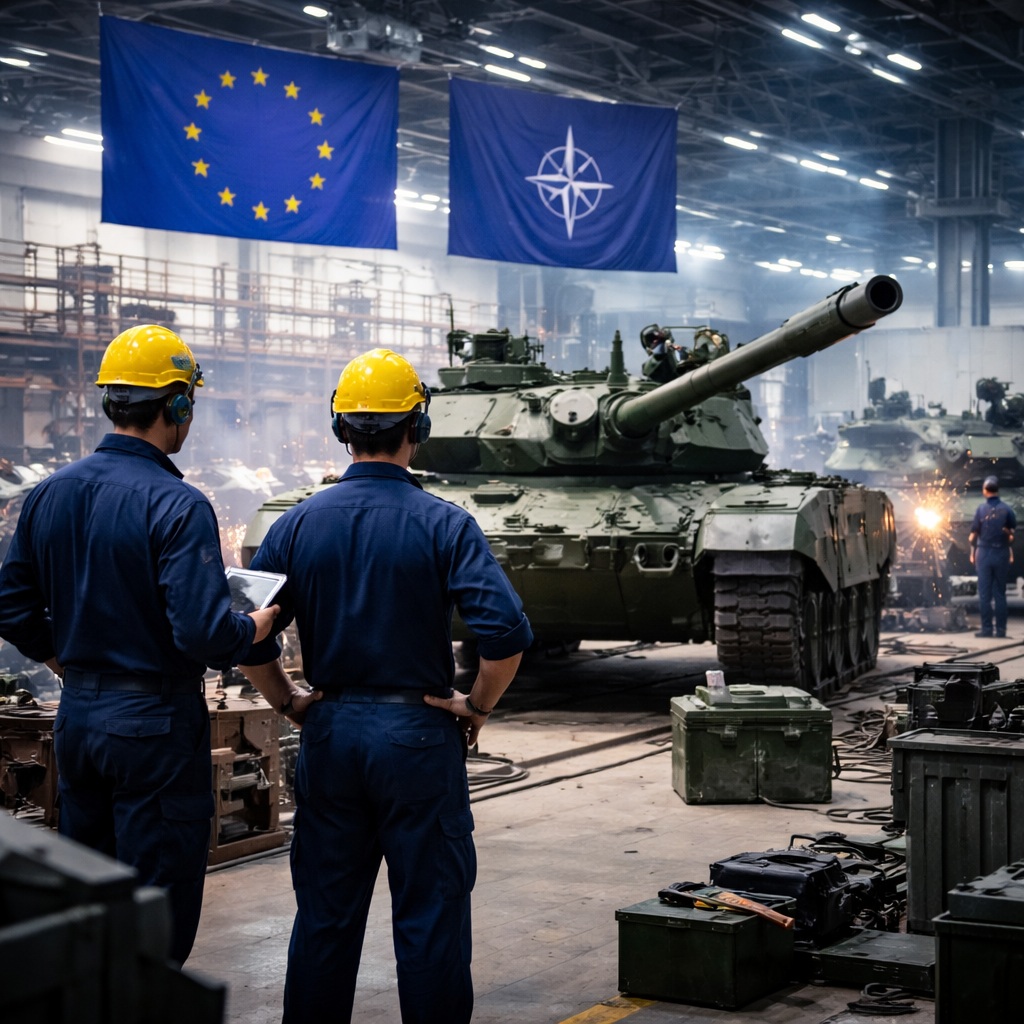
As conflict redraws Europe’s security map, defense firms scale up production, consolidate supply chains, and test the limits of a rearming continent.
Across Europe, the factories hum louder than they have in decades. Assembly lines once calibrated for peacetime trickles are being retooled for sustained output, while boardrooms debate capacity, labor, and risk with a new urgency. War on the continent’s eastern flank and persistent global instability have forced a reckoning: Europe’s defense sector is no longer a quiet industrial backwater but a strategic engine under intense political and public scrutiny.
The shift is visible from the Baltic to the Mediterranean. Governments have pledged to rebuild stockpiles depleted by support to partners under attack, to modernize forces long shaped by austerity, and to reduce reliance on distant suppliers. The result is a surge of contracts and a race to expand. Ammunition plants are reopening or adding shifts, armored vehicle programs are accelerating, and air and missile defense has become a top procurement priority.
For Europe’s major defense companies, the moment brings opportunity and strain in equal measure. Order books are fuller than at any point since the end of the Cold War, yet delivery timelines stretch as firms confront bottlenecks in skilled labor, components, and raw materials. The sector’s traditional just‑in‑time logic is giving way to a more resilient model, with stockpiling and long‑term supplier agreements replacing lean inventories.
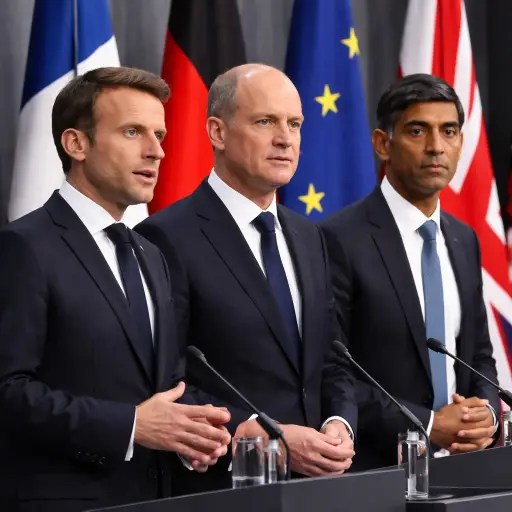
This industrial pivot has been driven as much by politics as by battlefield lessons. European leaders, chastened by years of underinvestment, have framed defense spending as an insurance policy rather than a discretionary cost. The language of “strategic autonomy” has moved from think tanks into legislation, shaping procurement rules and funding programs designed to keep production and intellectual property within Europe.
The war has also accelerated cooperation among companies that once competed fiercely along national lines. Cross‑border ventures are expanding to pool research, standardize platforms, and speed delivery. Governments, keen to avoid fragmentation, are nudging firms toward common requirements for everything from artillery shells to digital command systems. While national preferences persist, the pressure to converge is stronger than it has been in a generation.
Yet consolidation comes with trade‑offs. Smaller suppliers worry about being squeezed out as prime contractors scale up. Labor unions warn that rapid expansion could compromise safety and training. Environmental groups question the footprint of new plants and test ranges. And within capitals, debates continue over how to balance urgent military needs with social spending at a time of tight budgets.
The financial markets have taken notice. Defense stocks have outperformed broader indices, reflecting expectations of sustained demand. Executives caution against assuming a permanent boom, but acknowledge that planning horizons have lengthened. Programs once measured in years are now discussed in decades, with governments signaling that replenishment and modernization will be ongoing rather than episodic.
Technology is reshaping the sector as decisively as spending. Unmanned systems, cyber defense, and space‑based capabilities are absorbing a growing share of investment. The war has underscored the importance of secure communications and electronic warfare, pushing companies to integrate software and data analytics alongside steel and explosives. Startups, often spun out of civilian tech, are entering a field long dominated by industrial giants.
At the same time, Europe faces a strategic dilemma: how to expand fast without sacrificing sovereignty. Dependence on non‑European components remains a vulnerability, particularly in microelectronics and propulsion. Policymakers are responding with incentives to localize production, but building capacity takes time. Until then, supply chains remain exposed to shocks beyond Europe’s control.
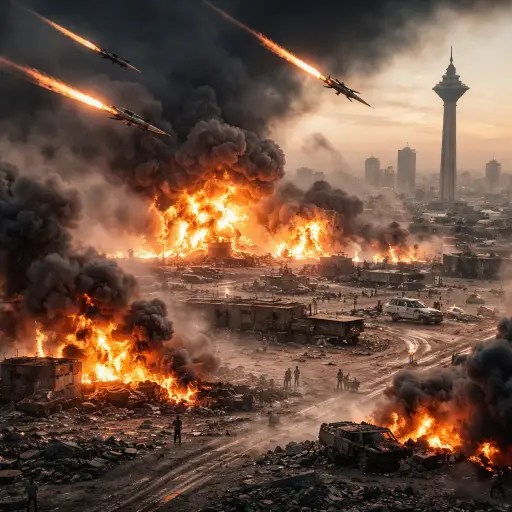
Public opinion, once skeptical of military spending, has shifted in many countries. Images of destruction and displacement have reframed defense as a matter of protection rather than power. Still, support is not unconditional. Voters expect transparency, ethical standards, and tangible security gains. Scandals or delays could quickly erode the fragile consensus behind rearmament.
Looking ahead, the reshaping of Europe’s defense sector appears set to continue. The immediate imperative is to deliver equipment now, but the longer‑term challenge is to sustain readiness without locking in inefficiencies. If the current momentum results in smarter cooperation, resilient supply chains, and credible deterrence, the transformation may endure. If not, Europe risks repeating the cycles of urgency and neglect that left it unprepared when war returned to its doorstep.


 The Tower Post