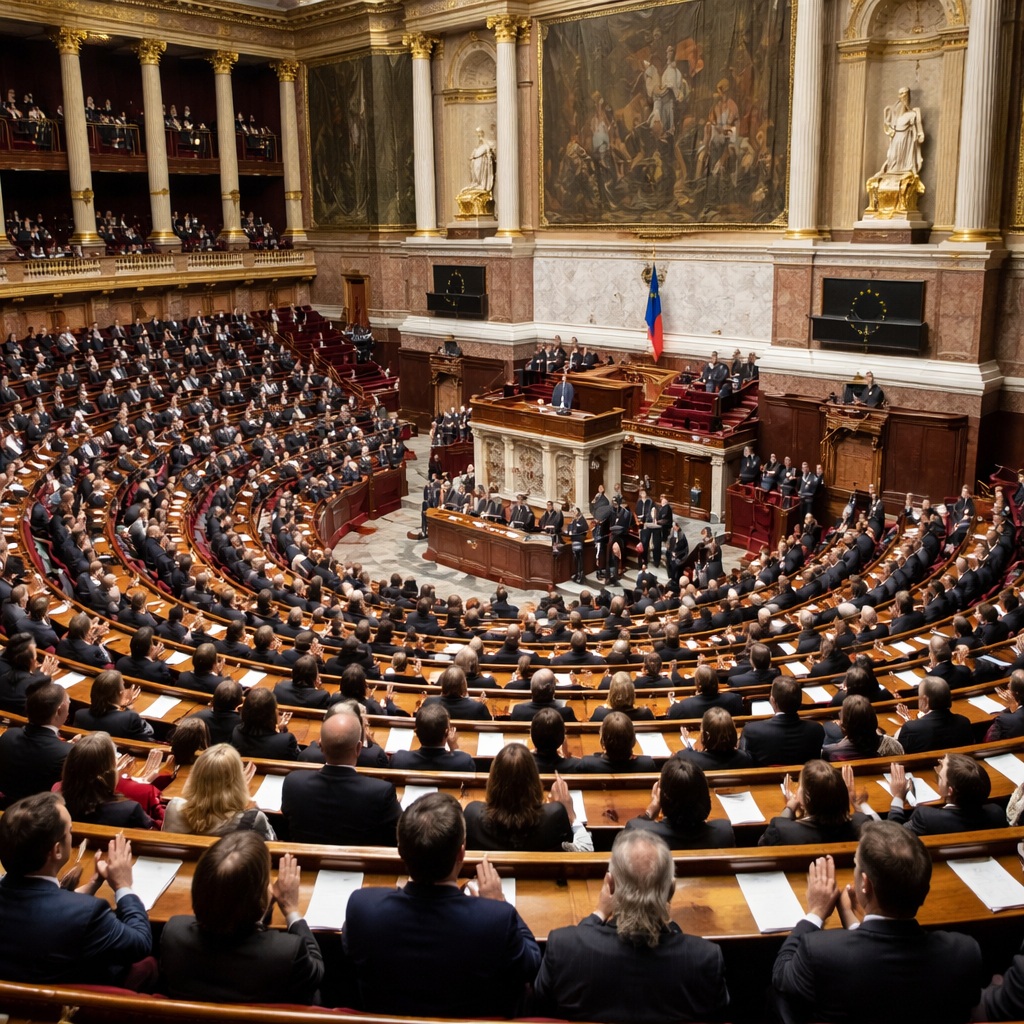
Lawmakers in Paris turn back a no-confidence motion linked to the Mercosur agreement, buying President Emmanuel Macron time as tensions simmer over trade, sovereignty, and rural unrest.
The French government emerged intact from a tense confidence test in parliament this week, as lawmakers rejected a no-confidence motion aimed at toppling President Emmanuel Macron’s administration over its handling of the Mercosur trade agreement. The vote, closely watched across Europe, underscored the fragile balance sustaining the executive while revealing deep divisions over globalization, agriculture, and France’s place in international trade.
The motion had been tabled by a coalition of opposition parties seeking to capitalize on mounting discontent among farmers, environmental groups, and segments of the political left and right. They argue that the proposed trade pact between the European Union and Mercosur nations risks undercutting French agricultural standards and exposing domestic producers to unfair competition. The government, however, defended the agreement as a strategic economic opening and a diplomatic necessity in an increasingly competitive world.
Inside the National Assembly, the debate unfolded with a mix of procedural rigidity and raw political emotion. Ministers framed the vote as a choice between engagement and isolation, warning that rejecting Mercosur outright would weaken Europe’s negotiating power and send a damaging signal to international partners. Opponents countered that the deal sacrifices environmental commitments and rural livelihoods in favor of abstract growth promises.
When the ballots were counted, the motion fell short of the threshold required to bring down the government. The outcome did not signal broad enthusiasm for the trade deal so much as a lack of consensus among opposition forces. Several centrist and conservative lawmakers, while critical of Mercosur, stopped short of endorsing a move that could have plunged the country into political instability.
For President Macron, the result offers temporary relief rather than a decisive victory. His administration remains under pressure from multiple fronts, with trade policy emerging as a lightning rod for wider anxieties about purchasing power, ecological transition, and democratic accountability. The Mercosur debate has become a proxy for these concerns, amplifying voices that feel excluded from decision-making at both national and European levels.
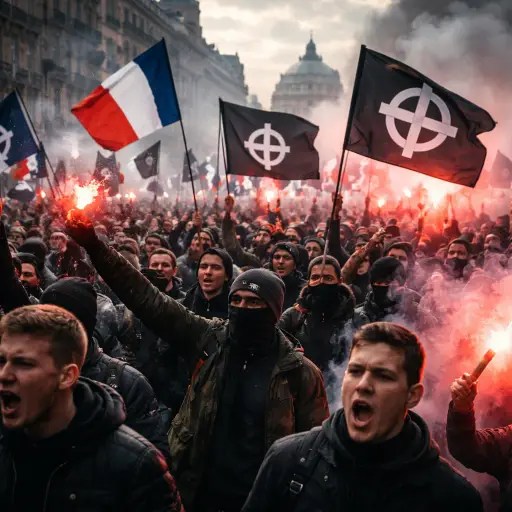
Outside parliament, protests by farming unions and activist groups have continued to shape the political atmosphere. Demonstrations have highlighted fears that imported agricultural products would not be held to the same standards imposed on French producers. Government officials insist that safeguard clauses and regulatory mechanisms can address these concerns, but skepticism remains high.
At the European level, the French vote reverberated beyond Paris. Several member states are grappling with similar domestic resistance to trade liberalization, and France’s stance is seen as pivotal. By surviving the confidence challenge, the Macron government retains the ability to influence the final contours of the agreement, potentially pushing for stronger environmental and social guarantees.
Political analysts note that the failed motion exposes the limits of parliamentary opposition in a fragmented assembly. While dissatisfaction with the government is widespread, translating that sentiment into a unified challenge has proven difficult. The episode also illustrates how trade policy, once a technical domain, has moved to the center of political confrontation.
Looking ahead, the government is expected to recalibrate its messaging rather than abandon its course. Officials signal a willingness to engage more closely with agricultural stakeholders and to emphasize France’s red lines in ongoing negotiations. Whether this outreach will ease tensions remains uncertain.
As winter debates give way to a demanding legislative season, the survival of the government on this vote highlights both resilience and vulnerability. The Mercosur agreement is far from settled, and neither is the political landscape it has stirred. For now, the administration stands, but the question is not whether trade will return to the parliamentary agenda, only how fierce the next confrontation will be.


 The Tower Post