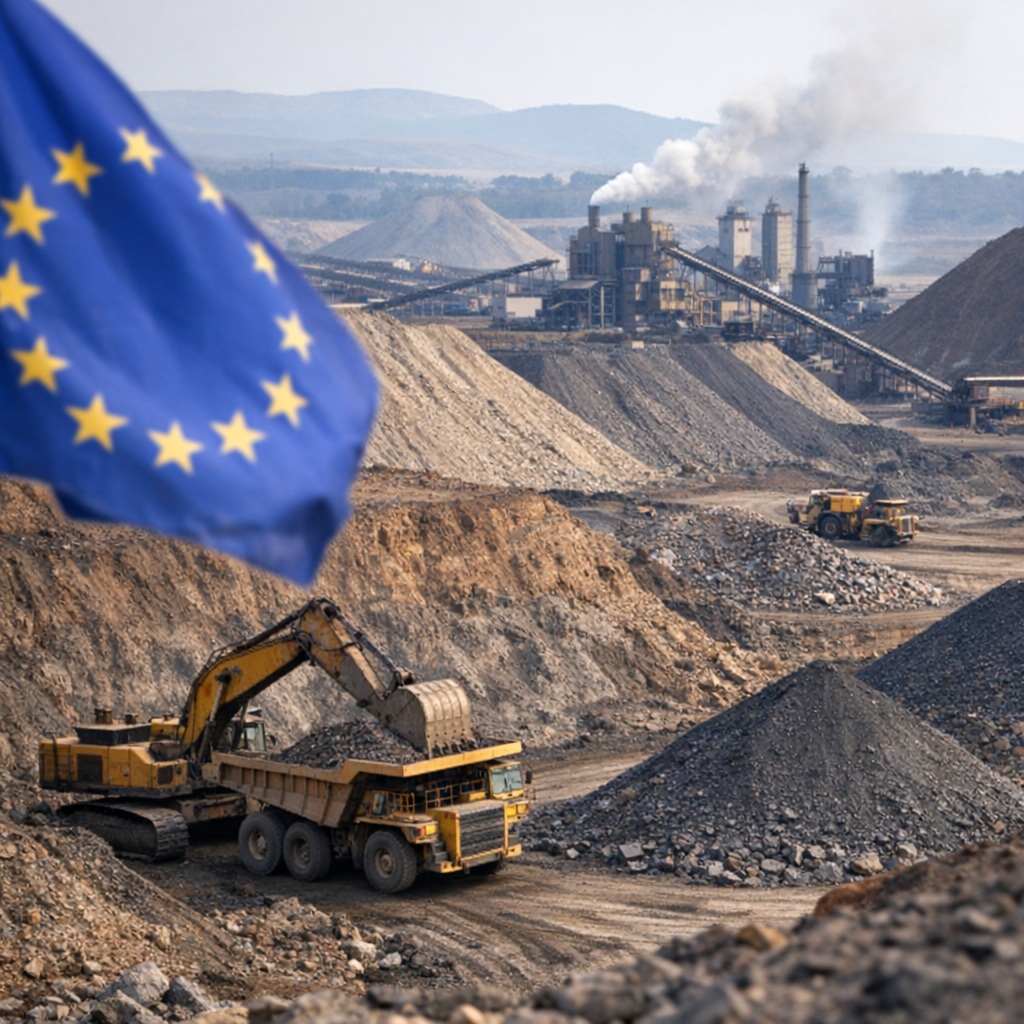
As global competition intensifies for lithium, rare earths and other critical minerals, Europe risks strategic dependence that could undermine its green and digital ambitions.
Europe’s ambition to lead the global green transition rests on an uncomfortable paradox: while the continent is setting some of the world’s most demanding climate and digital targets, it remains heavily dependent on others for the raw materials that make those ambitions possible.
Critical minerals such as lithium, cobalt, nickel, graphite and rare earth elements are indispensable for renewable energy systems, electric vehicles, batteries, semiconductors and defense technologies. Yet Europe continues to lag behind China and other global players in securing stable and diversified access to these resources, raising concerns among policymakers, industry leaders and analysts about the continent’s long-term strategic autonomy.
China’s dominant position is at the center of these concerns. Over the past decade, Beijing has invested aggressively across the entire critical minerals value chain, from mining operations in Africa, Latin America and Asia to refining and processing facilities at home. Today, China controls a substantial share of global processing capacity for many key minerals, giving it leverage that extends far beyond its own borders.
“Europe has focused for years on downstream technologies — electric cars, wind turbines, digital infrastructure — without paying enough attention to where the materials come from,” said one European industry analyst. “That imbalance is now becoming a strategic vulnerability.”
While Europe does possess some mineral resources, extraction projects often face lengthy permitting processes, environmental opposition and local resistance. At the same time, investment in refining and processing capacity has lagged, leaving European manufacturers dependent on imported materials even when raw minerals are sourced elsewhere.
Recent geopolitical tensions have amplified these risks. Export restrictions, trade disputes and supply chain disruptions have underscored how quickly access to critical inputs can become a political tool. For European industries already grappling with high energy costs and intense global competition, further supply uncertainty could erode competitiveness.
The implications extend well beyond economics. Critical minerals are increasingly viewed as a pillar of national security. Without reliable access, Europe’s ability to produce advanced technologies, maintain defense capabilities and respond to future crises could be compromised.
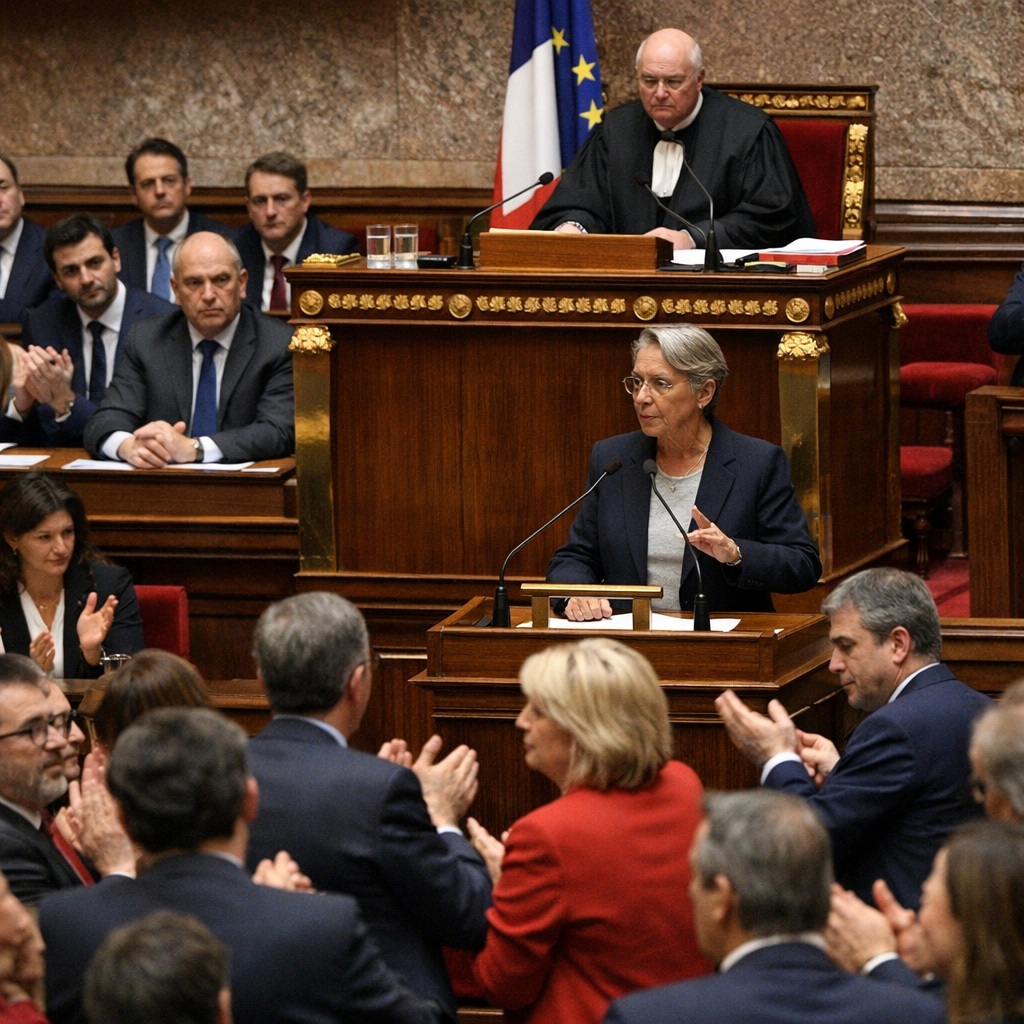
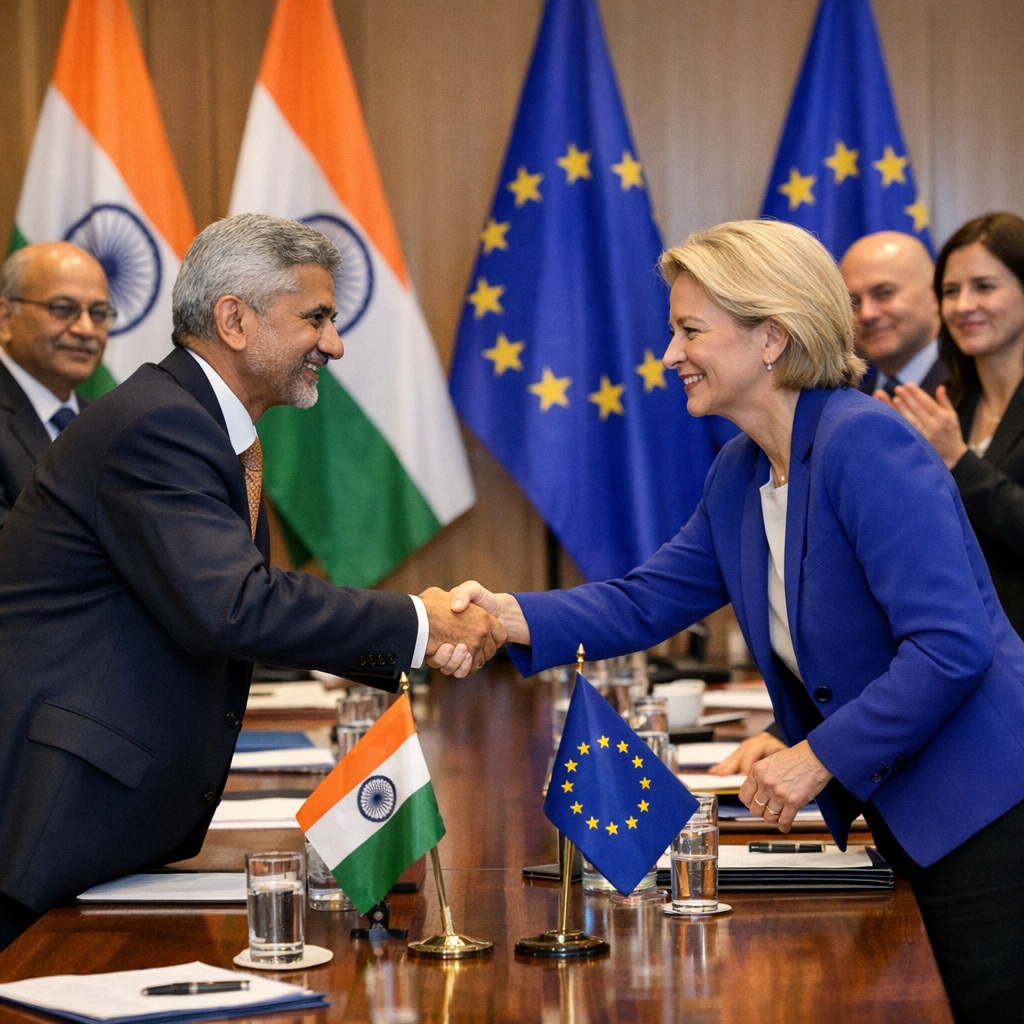
In response, European institutions and national governments have begun to acknowledge the scale of the challenge. Strategies aimed at boosting domestic extraction, accelerating recycling and forging partnerships with resource-rich countries have gained momentum. However, experts warn that progress remains uneven and fragmented.
“Individual countries acting alone will not be enough,” said a policy advisor involved in EU industrial strategy discussions. “What’s needed is a coordinated European approach that aligns investment, regulation and diplomacy.”
Such coordination would require significant public and private investment, particularly in processing facilities and recycling technologies, areas where Europe currently trails global competitors. It would also demand faster decision-making and greater public acceptance of mining and industrial projects, balanced against environmental safeguards.
Recycling is often cited as Europe’s most promising long-term advantage. By building a circular economy for batteries and electronics, the continent could reduce dependence on imported raw materials. Yet scaling these systems takes time, and demand for critical minerals continues to rise faster than recycling capacity.
As the global race for resources intensifies, Europe faces a narrowing window to act. Failure to secure resilient supply chains could slow the green transition, weaken industrial competitiveness and leave the continent exposed to external pressures.
The challenge is no longer theoretical. For Europe, critical minerals have become a test of whether ambitious climate and digital goals can be matched by the hard realities of global power and resource competition.
 The Tower Post