From Arctic geopolitics to Iberian ballot boxes, European newsrooms track how tensions over Greenland and a pivotal presidential race are reshaping debates on sovereignty, security, and the future of transatlantic ties.
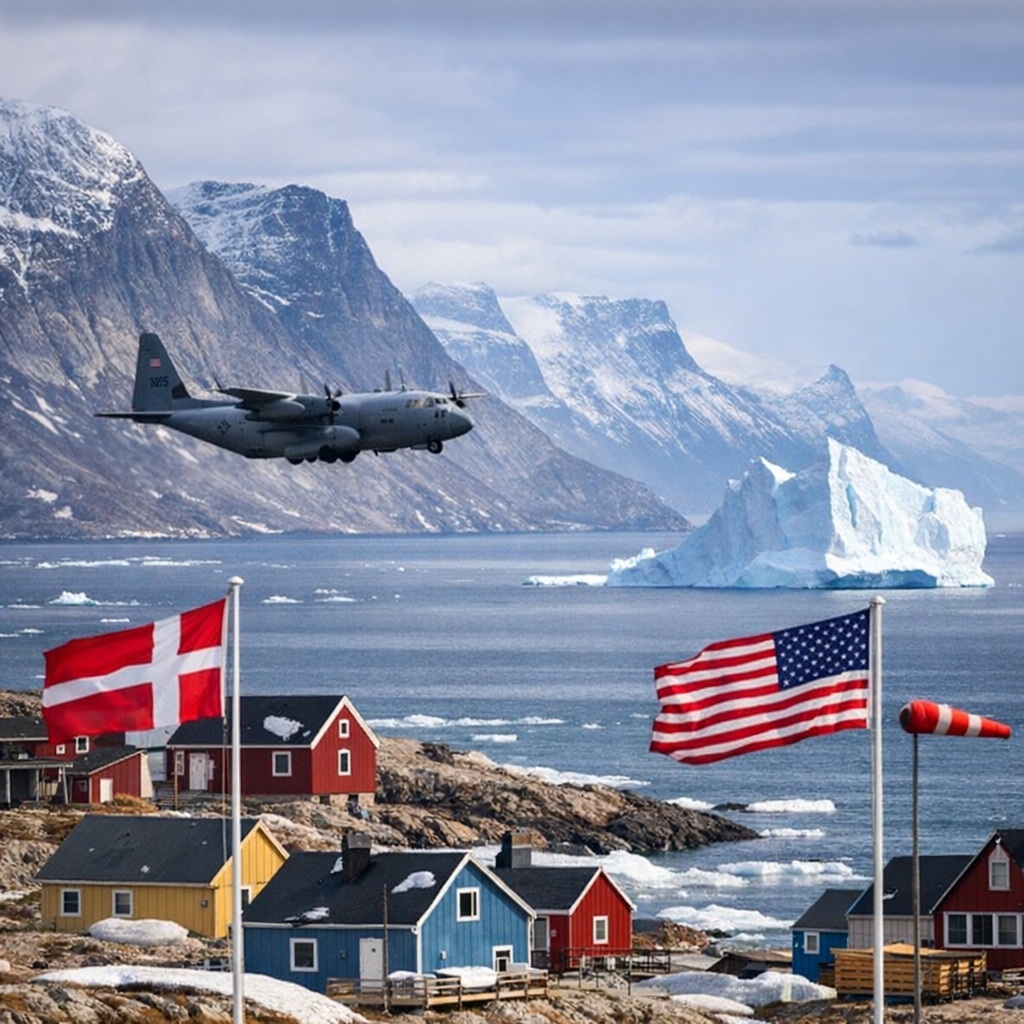
Greenland has returned to the center of the geopolitical map, not as a remote expanse of ice and rock, but as a testing ground for alliances that have long defined the North Atlantic order. Across European news bulletins, the island’s strategic importance is being discussed alongside another, seemingly distant story: a closely watched presidential election in Portugal. Together, these narratives illuminate a broader reassessment of European foreign policy priorities at a moment of global uncertainty.
At the heart of the Greenland debate lies a familiar tension between security imperatives and political autonomy. As climate change accelerates Arctic accessibility, Greenland’s location has gained renewed strategic value for NATO’s northern defenses and for U.S. military planning. European broadcasters report growing unease among regional leaders who fear that Washington’s assertive posture risks sidelining both Denmark, which retains responsibility for Greenland’s foreign and security policy, and Greenlandic aspirations for greater self-determination.
NATO officials, speaking in carefully calibrated language, emphasize unity and deterrence. Yet the tone of coverage suggests that consensus is under strain. Several European capitals are questioning whether the alliance’s Arctic strategy sufficiently accounts for political sensitivities on the ground. Greenlandic leaders, meanwhile, are portrayed as walking a delicate line: welcoming investment and security guarantees while resisting any perception that the island is merely a strategic asset to be managed by others.
The U.S. role remains central and controversial. Commentators note that Washington’s renewed focus on the Arctic reflects broader competition with other global powers, but also revives memories of past unilateral gestures that unsettled European partners. In editorials and expert panels, the question is not whether the United States is a necessary ally, but how its priorities can be reconciled with Europe’s emphasis on multilateralism and local consent.
These debates resonate far beyond the Arctic Circle. In southern Europe, attention is turning to Portugal, where a presidential election is being framed as a bellwether for the country’s stance within the European Union and NATO. While the presidency in Portugal carries limited executive power, analysts stress its symbolic weight in shaping foreign policy discourse and institutional stability.
European news coverage presents the Portuguese race as a contest between continuity and recalibration. Candidates’ positions on defense spending, transatlantic relations, and Europe’s strategic autonomy are being scrutinized with unusual intensity. The Greenland issue, though geographically distant, surfaces in these discussions as a case study in how smaller nations navigate pressures from larger allies.
Regional leaders across Europe are assessing the potential ripple effects. In Nordic countries, policymakers worry that mishandling Greenland could embolden calls for a more fragmented security architecture. In southern Europe, there is concern that alliance disputes could undermine public support for collective defense at a time when economic pressures remain acute.
The juxtaposition of Arctic tensions and Iberian electoral politics underscores a common theme: Europe’s search for coherence in a shifting world order. Foreign policy experts interviewed across European media argue that the continent can no longer afford compartmentalized debates. Security, climate change, democratic legitimacy, and regional politics are increasingly intertwined.
Within NATO, informal discussions are reportedly focusing on how to better integrate local voices into strategic planning, particularly in sensitive regions like the Arctic. European diplomats are also pushing for clearer mechanisms to manage disagreements with Washington without escalating them into public rifts that adversaries could exploit.
In Portugal, the election campaign has become a forum for these broader anxieties. Voters are being asked to consider not only domestic governance, but also the country’s role in shaping a more assertive European posture. Commentators note that turnout and rhetoric will be closely watched in Brussels as indicators of public appetite for deeper integration and shared responsibility.
As European news bulletins weave together these stories, a picture emerges of a continent at an inflection point. Greenland’s icy landscapes and Portugal’s sunlit plazas may seem worlds apart, yet both are stages on which Europe is negotiating its place between powerful allies and its own strategic ambitions.
The coming months are expected to test the resilience of alliances and institutions alike. Whether through careful diplomacy in the Arctic or the outcome of a presidential vote in Lisbon, the signals sent will shape how Europe defines solidarity, sovereignty, and security in an era where old assumptions are melting away as quickly as the polar ice.


 The Tower Post