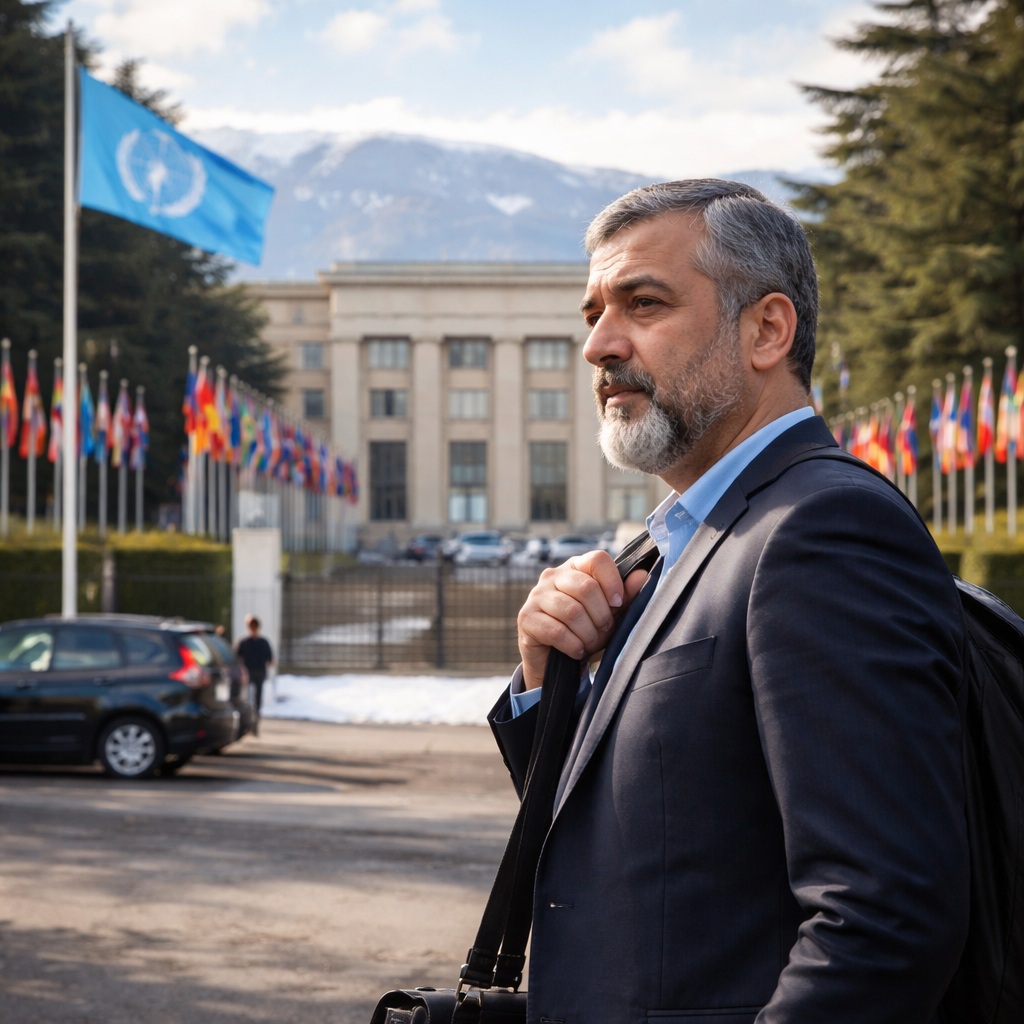
Resignation in Geneva points to strain inside Iran’s foreign service as pressure mounts abroad
A senior Iranian diplomat stationed in Geneva has resigned from his post and applied for asylum in Switzerland, according to multiple sources familiar with the matter, a move that has reverberated through diplomatic circles and cast a harsh light on growing tensions within Iran’s foreign service.
The diplomat, described as a high-ranking official attached to Iran’s mission at the United Nations’ European headquarters, is said to have informed Swiss authorities of his decision shortly after severing formal ties with Tehran. Neither Iranian officials nor Swiss migration authorities have publicly confirmed the case, citing confidentiality rules that govern asylum procedures.
Still, the reported resignation has been widely discussed among diplomats in Geneva, where the UN’s European offices host sensitive negotiations on human rights, disarmament, and humanitarian affairs. The departure of a senior Iranian representative from this setting is being interpreted by observers as an unusually public rupture with the Islamic Republic’s diplomatic establishment.
According to sources who spoke on condition of anonymity, the diplomat had served for years in Iran’s foreign service and was considered a seasoned figure, trusted with delicate files related to multilateral diplomacy. His decision to seek protection abroad suggests more than a personal dispute, analysts say, pointing instead to deeper institutional strains.
“This is not the profile of someone who acts impulsively,” said a European diplomat familiar with Iran’s Geneva mission. “When a senior official chooses asylum, it usually reflects sustained pressure or profound disagreement with the system he represents.”
Iran’s foreign ministry has not commented directly on the reported asylum request. In similar past cases, Iranian authorities have typically dismissed defecting officials as having personal or financial motives, while warning host countries against what Tehran calls the “politicization” of asylum processes.
The episode comes at a time when Iran’s diplomatic corps is under unusual stress. Sanctions, regional conflicts, and mounting scrutiny of Iran’s human rights record have placed diplomats in increasingly difficult positions abroad. Those stationed in Europe, particularly in Geneva, often find themselves at the intersection of international criticism and instructions from Tehran to defend policies under intense global condemnation.
Former Iranian diplomats living in exile say this tension has grown sharper in recent years. “There is a widening gap between professional diplomats trained in international norms and a political system that demands absolute loyalty,” said one former official now based in Europe. “For some, the pressure becomes unbearable.”
Switzerland, known for its neutrality and robust asylum procedures, has long been a discreet refuge for political figures seeking protection. Geneva, in particular, hosts a concentration of international organizations that make it a natural destination for diplomats considering a break with their governments. However, asylum claims from active, high-ranking diplomats remain rare and are handled with exceptional sensitivity.
Under Swiss law, asylum applicants must demonstrate a well-founded fear of persecution if returned to their home country. Cases involving diplomats can be especially complex, as authorities must weigh claims of political risk against the individual’s prior role within a state apparatus.
Human rights organizations have urged Swiss officials to assess the case independently and without political pressure. “If a diplomat claims that returning home would put him at risk, that claim deserves careful consideration, regardless of his former status,” said a spokesperson for a Geneva-based rights group.
In Tehran, the reported resignation has fueled speculation about internal discipline within the foreign ministry. Iranian media aligned with the state have so far remained silent, while independent outlets abroad have framed the move as evidence of dissent within the elite ranks of the Islamic Republic.
The case also raises questions about how Iran manages loyalty among its overseas representatives. Diplomats are often subject to close monitoring, and family members remaining in Iran can face pressure if an official is suspected of disloyalty. Such dynamics, analysts say, may contribute to the sense of isolation felt by some envoys abroad.
For now, the diplomat at the center of the case has kept a low profile, and his whereabouts have not been disclosed. Swiss authorities are expected to proceed cautiously, aware that any decision could carry diplomatic repercussions.
Whether this episode marks an isolated incident or signals a broader pattern of discontent within Iran’s foreign service remains to be seen. In the tightly choreographed world of diplomacy, however, even a single defection can resonate loudly, hinting at fractures that official statements strive to conceal.


 The Tower Post