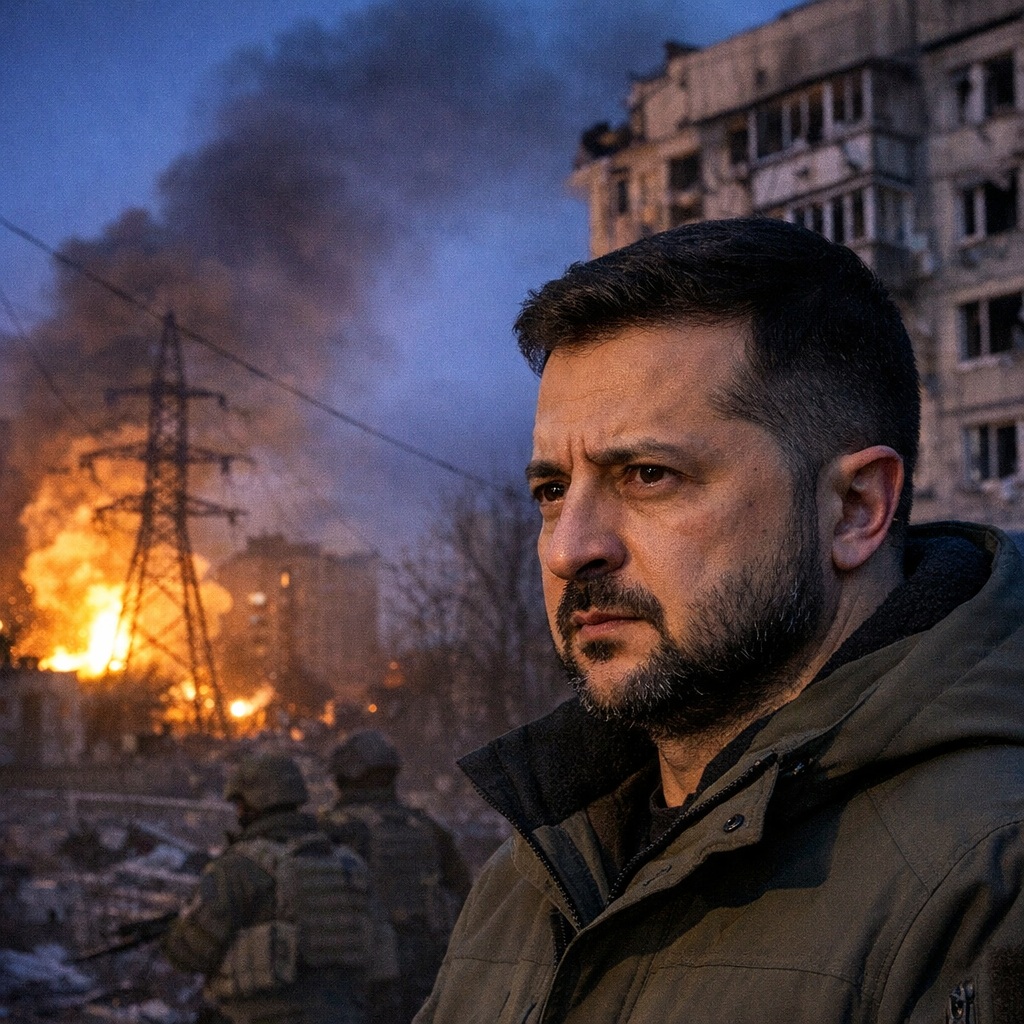
Ukrainian president says Moscow is preparing a major offensive, citing relentless strikes on energy infrastructure and continued violence despite peace rhetoric.
President Volodymyr Zelensky has warned that Russia is preparing a large-scale military attack against Ukraine, pointing to sustained assaults on critical energy infrastructure and an intensification of frontline violence that, he says, contradicts Moscow’s public claims of openness to peace.
In a series of recent addresses and briefings, Zelensky described a pattern of actions that, taken together, suggest preparation for a renewed and expanded offensive. While diplomatic language continues to circulate in international forums, Ukraine’s leadership argues that the reality on the ground tells a different story—one of mounting pressure, calculated disruption, and a strategy aimed at weakening the country through exhaustion.
“Words about peace lose their meaning when missiles continue to target power stations and substations,” Zelensky said, underscoring that attacks on electricity grids and heating facilities have persisted even as Russia signals willingness to negotiate. According to Ukrainian officials, these strikes are not isolated incidents but part of a broader campaign designed to undermine civilian resilience and strain the state’s capacity to function.
ENERGY UNDER FIRE
Ukraine’s energy network has long been a focal point of Russian military pressure, but officials say the current phase shows renewed intensity and coordination. Repair crews work under constant threat, racing to restore electricity and heating in the aftermath of strikes that often come in waves. The timing, Ukrainian authorities argue, is strategic: damage to energy systems ripples outward, affecting hospitals, transport, communications, and industry.
Energy experts in Kyiv describe a battle not only for territory but for infrastructure. By forcing repeated repairs and emergency measures, Russia may be seeking to drain Ukraine’s resources and test public morale. “This is about creating uncertainty,” said one senior energy official. “When people don’t know if the lights will stay on, it affects everything—from economic planning to psychological endurance.”
FRONTLINE SIGNALS
Beyond the energy sector, Ukrainian military commanders report sustained pressure along multiple sections of the front. While the intensity fluctuates, the overall pattern, they say, suggests probing actions and positioning rather than de-escalation. Zelensky’s warning of a large-scale attack reflects concern that these movements could precede a broader push involving additional troops and heavy equipment.
Military analysts note that such preparations often unfold gradually. Increased reconnaissance, localized assaults, and logistical build-ups can all signal intent without triggering immediate, dramatic shifts.
PEACE RHETORIC VS. REALITY
The Ukrainian president’s warning comes amid ongoing international discussions about possible paths toward ending the conflict. Statements from Moscow about dialogue and ceasefires are closely watched in Kyiv, but officials there argue that genuine intent must be measured by actions rather than declarations.
“Peace is not declared; it is demonstrated,” Zelensky said, pointing to the continued violence as evidence that Russia’s strategy has not fundamentally changed.
CIVILIAN RESOLVE
For ordinary Ukrainians, warnings of a potential large-scale attack are both sobering and familiar. Years of conflict have ingrained a sense of cautious endurance. In cities and towns across the country, daily life continues under the shadow of air alerts and infrastructure disruptions.
INTERNATIONAL STAKES
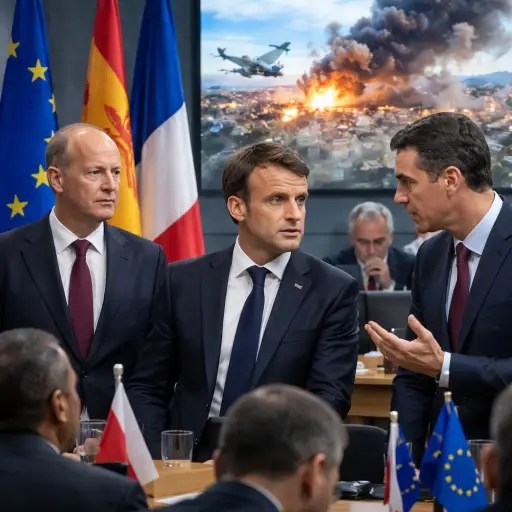
Zelensky’s warning is also directed beyond Ukraine’s borders. A large-scale Russian attack would have implications for regional stability, energy markets, and global security perceptions.
As January progresses, Ukraine is bracing itself—strengthening defenses, rallying international support, and relying on a society shaped by resilience. Between diplomacy and conflict, vigilance remains a way of life.



 The Tower Post