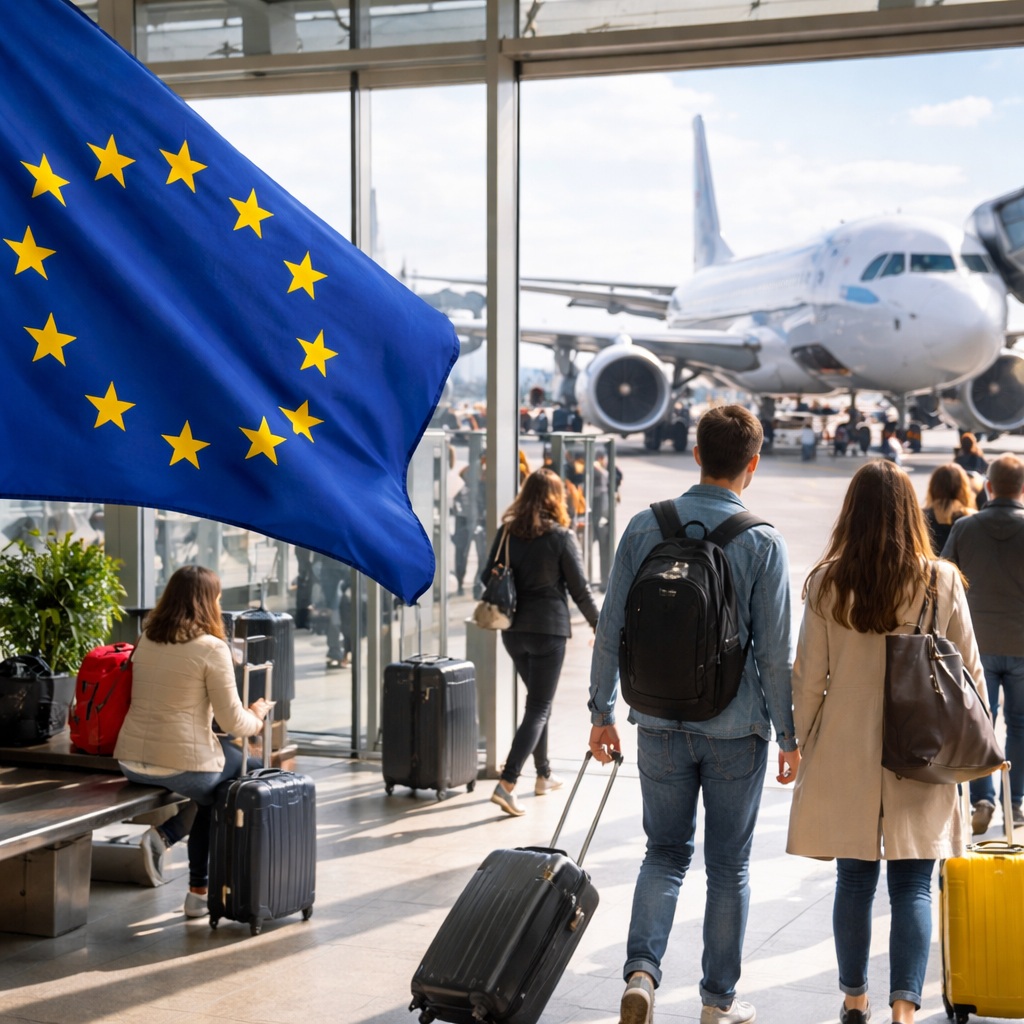
MEPs set the stage for a confrontation with member states over flight delays, compensation, and luggage rules
On a winter week marked by crowded terminals and weather-disrupted schedules across Europe, the European Parliament delivered a clear political message: air passengers’ rights should not be weakened. In a decisive plenary vote, Members of the European Parliament (MEPs) backed a position that preserves the core protections European travelers have relied on for more than a decade, including compensation for long delays and the right to carry essential luggage without extra fees.
The vote comes at a sensitive moment for European aviation. Airlines are still navigating volatile fuel prices, staffing constraints, and a travel market that has rebounded unevenly across regions. National governments, many of them under pressure to support flag carriers and keep ticket prices competitive, have pushed for reforms that would scale back some of the bloc’s most consumer-friendly rules. Parliament, however, has drawn a line, signaling that any overhaul of air passenger legislation must prioritize travelers over industry convenience.
At the heart of the debate is the long-established compensation regime for flight delays. Under the Parliament’s position, passengers would continue to be eligible for compensation when their flight arrives three hours or more late, provided the delay is within the airline’s control. This threshold has become a defining feature of European consumer protection, shaping airline operations and informing passenger expectations. Lawmakers argue that raising the threshold, as some governments have proposed, would effectively strip millions of travelers of meaningful redress.
“Passengers do not experience a delay as an abstract policy question,” said one senior MEP during the debate. “They experience it as missed connections, lost working days, and family plans disrupted. The three-hour rule reflects that reality.”
Airlines counter that the current system is costly and sometimes unfair, particularly when delays are caused by complex knock-on effects in congested airspace. Industry representatives have long lobbied for a longer delay threshold, claiming it would allow carriers to focus resources on rebooking and assistance rather than compensation payouts. Parliament’s vote suggests that argument has failed to convince a broad cross-section of lawmakers.
Another flashpoint is luggage. In recent years, the proliferation of ancillary fees has transformed the economics of air travel, with passengers increasingly charged for carry-on bags that were once standard. The Parliament’s position defends the principle that travelers should be entitled to bring a reasonable amount of hand luggage on board without extra cost. Supporters say this is essential to transparency and fairness, preventing a race to the bottom where advertised fares bear little resemblance to the final price.
Consumer groups welcomed the vote, describing it as a necessary correction to what they see as creeping erosion of passenger rights. “This is about trust,” said a spokesperson for a European consumer organization. “When people buy a ticket, they should know what they are entitled to, and they should not be penalized for basic needs like carrying a small suitcase.”
The political implications extend beyond the specifics of delays and bags. The Parliament’s stance sets up a clash with the Council, where national governments have been working on a more airline-friendly compromise. The next phase will involve negotiations between the institutions, a process known for producing hard-fought trade-offs. Observers expect intense lobbying from both airlines and consumer advocates as the talks unfold.
For many MEPs, the issue is also symbolic. Strong passenger rights are often cited as one of the European Union’s most tangible achievements, affecting citizens directly in their everyday lives. Diluting those rights, lawmakers argue, would send the wrong signal at a time when public confidence in European institutions is under strain.
As Europe heads into another busy travel season, the Parliament’s vote underscores a simple message: efficiency and competitiveness in aviation should not come at the expense of basic consumer protections. Whether that message survives the forthcoming negotiations with member states will determine how European passengers experience air travel in the years ahead.



 The Tower Post