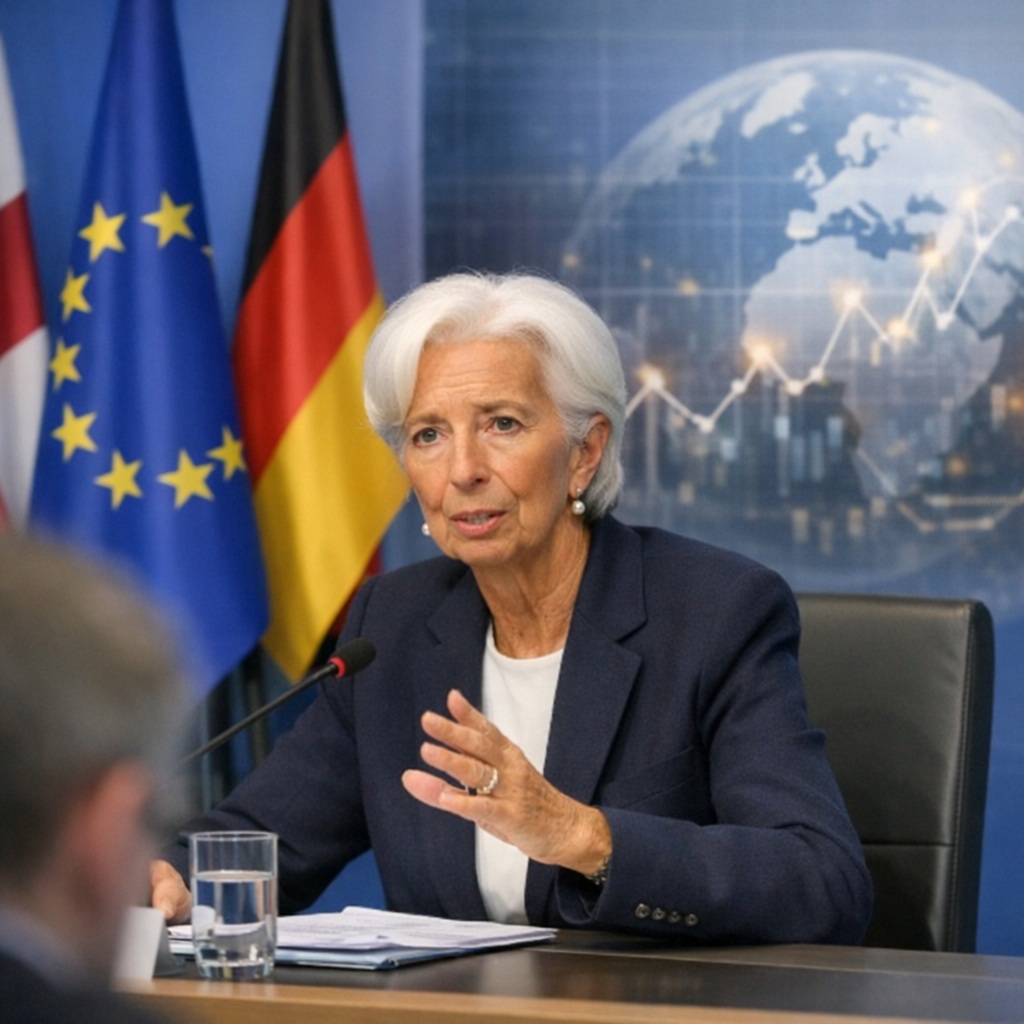
With geopolitical tensions, fragmented trade, and policy uncertainty reshaping the world economy, the ECB president warns that Europe must rethink its economic model to remain resilient and relevant.
Christine Lagarde, President of the European Central Bank, has issued a stark call for Europe to take a hard look at itself. Speaking against a backdrop of global instability and rapid policy shifts among major powers, Lagarde argued that the European economy can no longer rely on assumptions forged in a more predictable era. Instead, she said, the region needs a “deep review” of its economic posture to withstand a new world order defined by volatility, competition, and external shocks.
Her message arrives at a moment when Europe finds itself under pressure from multiple directions. Global growth is uneven, geopolitical rivalries are intensifying, and economic policy has become increasingly unpredictable. Trade routes are being redrawn, industrial strategies are more openly interventionist, and financial conditions remain restrictive. For Lagarde, these developments expose structural vulnerabilities that incremental adjustments can no longer resolve.
At the core of her warning is the idea that Europe’s economic architecture was designed for stability rather than disruption. The single market, the euro, and long-standing fiscal frameworks were built to encourage convergence and predictability. Today, policymakers are instead confronted with frequent supply chain disruptions, energy insecurity, and strategic dependencies that were once considered remote risks.
Lagarde has underlined that the challenge facing Europe is not merely cyclical but structural. External shocks now occur more often and propagate more quickly, whether through geopolitical tensions, abrupt shifts in trade policy, or sudden changes in global financial conditions. In such an environment, she argues, Europe must reassess how it invests, produces, and competes on the world stage.
Competitiveness has emerged as a central theme of her intervention. While Europe remains one of the world’s largest economic blocs, productivity growth has lagged behind that of key peers. Investment in innovation, digital infrastructure, and emerging technologies has often been fragmented and slow. Lagarde has cautioned that without a coordinated and ambitious response, Europe risks losing ground in sectors that will define future growth and strategic influence.
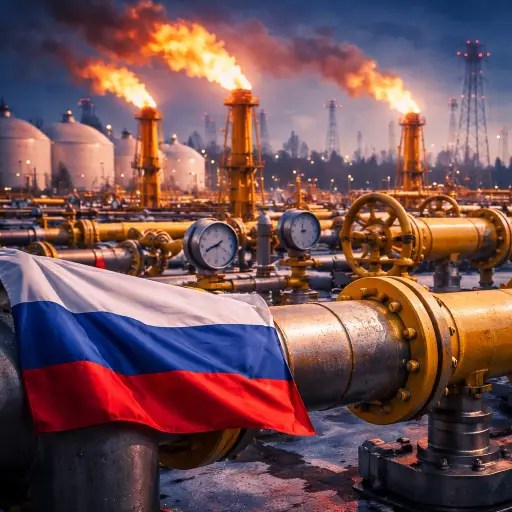
Energy policy is another pillar of the proposed rethink. Recent upheavals in energy markets have highlighted Europe’s exposure to external suppliers and price volatility. Although diversification efforts and the green transition are advancing, Lagarde has suggested that the scale and speed of these initiatives must increase. A more secure and integrated energy system, she argues, is not only a climate priority but a prerequisite for economic resilience.
Fiscal policy, traditionally a sensitive issue within the euro area, also features prominently in the debate. Lagarde has reaffirmed the importance of sustainable public finances, while acknowledging that rigid rules can constrain governments’ ability to respond to extraordinary challenges. Striking the right balance between fiscal discipline and investment capacity, she suggests, will be critical for supporting growth without undermining credibility.
For the European Central Bank, these broader economic questions have direct implications. Monetary policy cannot, on its own, address structural weaknesses, yet it operates within an environment shaped by them. Persistent supply-side constraints complicate inflation dynamics and make it harder to distinguish between temporary shocks and lasting pressures. Lagarde has therefore stressed the need for stronger alignment between monetary, fiscal, and structural policies across the region.
Her call for a deep review also reflects concern about Europe’s position in a more fragmented global economy. As major powers deploy industrial subsidies and strategic trade measures, Europe faces difficult choices between defending openness and protecting strategic interests. Achieving this balance, Lagarde has implied, will require a level of political cohesion that has often proved elusive.
Reaction to her remarks has underscored a growing sense of urgency among economists and business leaders. Many point to regulatory complexity and slow decision-making as obstacles to Europe’s ability to adapt quickly to global shifts. Others warn that any reform agenda must preserve social cohesion, which remains a defining feature of the European economic model.
Skeptics, however, caution that calls for comprehensive reviews risk becoming substitutes for action. Europe has produced no shortage of strategies and policy roadmaps in recent years, yet implementation has frequently been delayed by political divisions and competing national priorities. Whether Lagarde’s intervention will translate into concrete change remains uncertain.
Nonetheless, the significance of her message lies in its framing of the current moment as a turning point. Rather than treating today’s challenges as temporary disruptions, Lagarde has portrayed them as symptoms of a lasting transformation in the global economic order. The decisions taken now, she has suggested, will shape Europe’s ability to adapt, compete, and preserve its economic sovereignty in the years ahead.
As global rules continue to shift and uncertainty becomes the norm, Europe’s response will require more than technical fine-tuning. It will demand political resolve, strategic clarity, and a willingness to question long-standing assumptions. Lagarde’s call for a deep review is, ultimately, a call for Europe to redefine its economic identity in a world where stability can no longer be taken for granted.

 The Tower Post