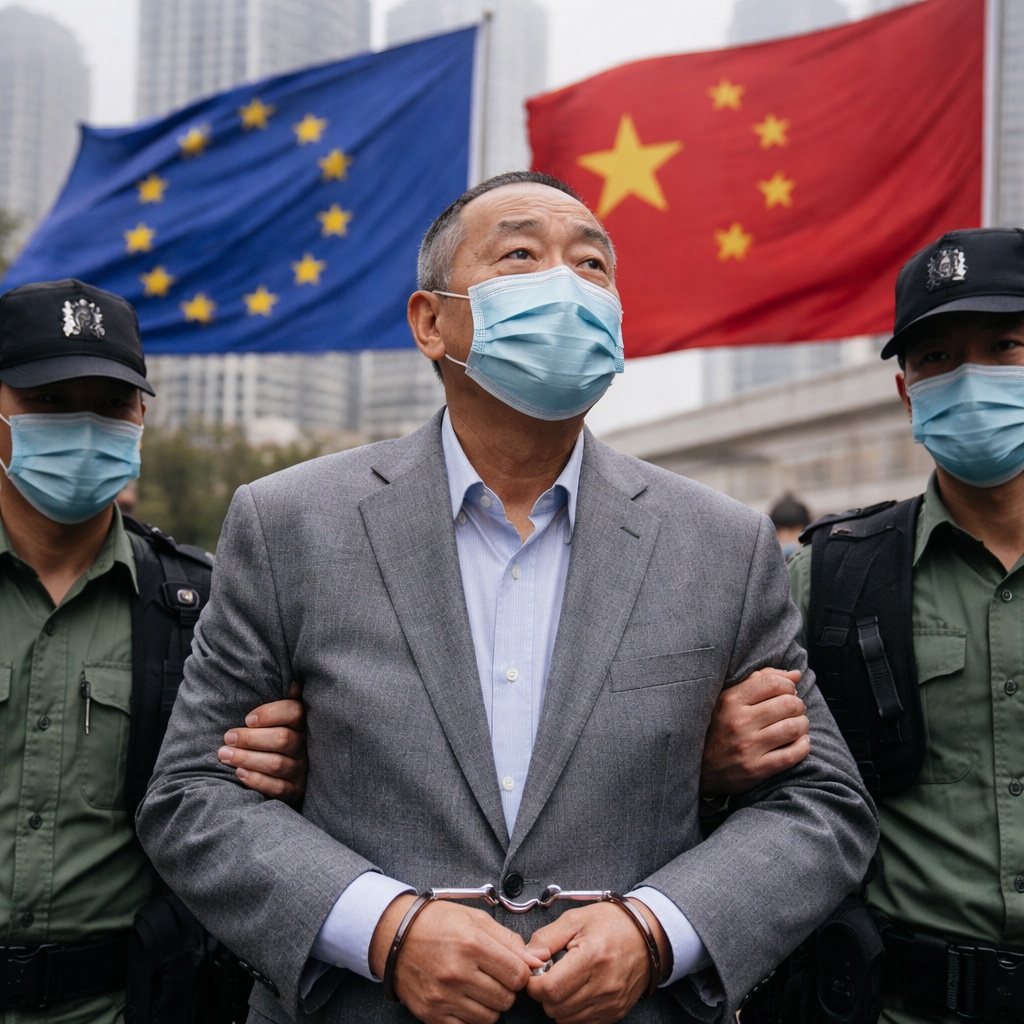
Lawmakers signal tougher stance on Beijing as concerns over Hong Kong’s freedoms intensify
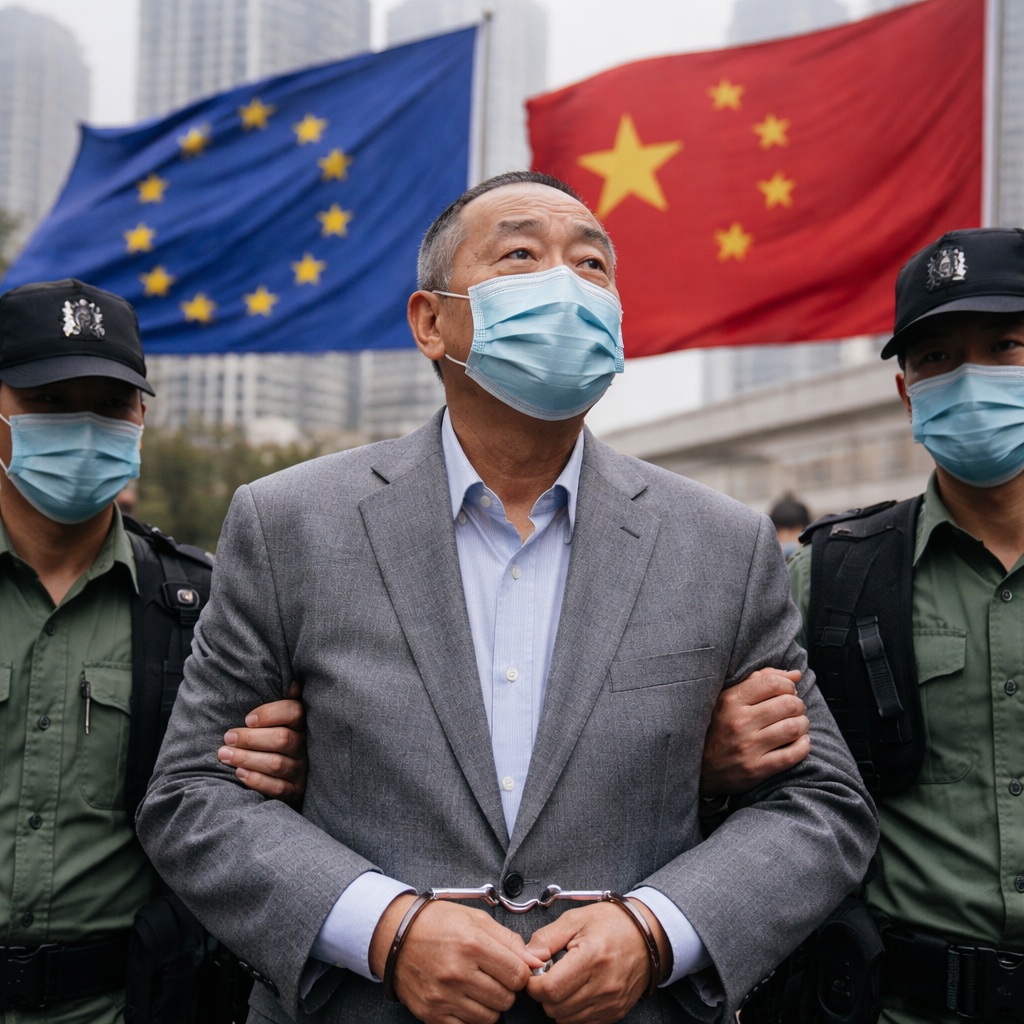
The European Parliament has issued one of its strongest rebukes yet of Beijing’s policies in Hong Kong, adopting a resolution that condemns the conviction of pro-democracy media entrepreneur Jimmy Lai and warns that a severe sentence could have far‑reaching consequences for relations between the European Union and China.
The motion, approved by an overwhelming majority of Members of the European Parliament (MEPs), reflects growing alarm in Brussels over what lawmakers describe as the continued erosion of fundamental rights and judicial independence in the former British territory. Jimmy Lai, the founder of the now‑defunct Apple Daily newspaper and a long‑time critic of the Chinese Communist Party, has become a symbol for many in Europe of Hong Kong’s rapidly shrinking civic space.
In the debate preceding the vote, speakers from across the political spectrum portrayed Lai’s conviction as emblematic of a broader crackdown carried out under Hong Kong’s national security framework. They argued that the case illustrates how laws introduced in the name of stability have been used to silence dissent, criminalize journalism, and intimidate civil society.
“This is not an isolated legal matter,” one senior MEP said during the plenary session. “It is a political trial with global implications, testing whether international commitments and basic freedoms still mean anything in Hong Kong.”
The resolution calls on Hong Kong authorities to respect freedom of expression, the right to a fair trial, and the independence of the judiciary. It urges the immediate protection of journalists, activists, and lawyers who remain at risk, and reiterates demands for the unconditional release of those detained solely for exercising their fundamental rights.
Beyond the human rights language, the text carries a clear geopolitical message. Lawmakers warn that the treatment of Jimmy Lai will be closely watched in European capitals and could influence future cooperation with Beijing. In particular, they signal that a harsh sentence would further undermine trust at a time when EU–China relations are already strained by disputes over trade, technology, security, and values.
Several MEPs pointed to the EU’s human rights sanctions regime as a tool that could be expanded if the situation deteriorates further. While the resolution stops short of naming specific individuals for punitive measures, it “invites” EU institutions and member states to consider targeted sanctions against officials responsible for serious rights violations in Hong Kong.
The European Commission and the EU’s diplomatic service are also urged to raise the case consistently in high‑level dialogues with China and to coordinate closely with international partners. Lawmakers emphasized that silence or ambiguity would be interpreted as acquiescence, weakening Europe’s credibility as a defender of democratic principles.
Beijing has repeatedly rejected foreign criticism of its Hong Kong policy, framing such statements as interference in internal affairs. Chinese officials maintain that national security legislation is necessary to restore order after years of political unrest, and insist that the rights of residents are protected under the law. Hong Kong authorities have similarly argued that Lai’s prosecution is based on legal considerations rather than political motives.
However, the European Parliament’s latest move suggests that patience in Brussels is wearing thin. For many lawmakers, Hong Kong now represents a litmus test for China’s willingness to honor international agreements and engage with Europe on shared norms.
The resolution also has implications for the EU’s broader China strategy. As the bloc seeks to balance economic engagement with a more assertive defense of its values, cases like Jimmy Lai’s complicate efforts to stabilize ties. Some MEPs warned that ignoring human rights concerns for the sake of commercial interests would be short‑sighted and ultimately damaging to Europe’s strategic autonomy.
Human rights organizations welcomed the vote, describing it as an important signal of solidarity with those facing repression in Hong Kong. They called on EU governments to translate parliamentary language into concrete action, noting that statements alone have so far failed to halt the decline of freedoms in the city.
As the situation continues to unfold, the European Parliament has made clear that it intends to keep Hong Kong high on the political agenda. Whether its warning will lead to a recalibration of EU–China relations remains uncertain, but the message from Strasbourg is unmistakable: the fate of Jimmy Lai is no longer a local issue, but a matter with international consequences.


 The Tower Post