Overnight Russian strikes wounded dozens and killed at least one person as Kyiv accuses Moscow of undermining diplomacy and testing international resolve.
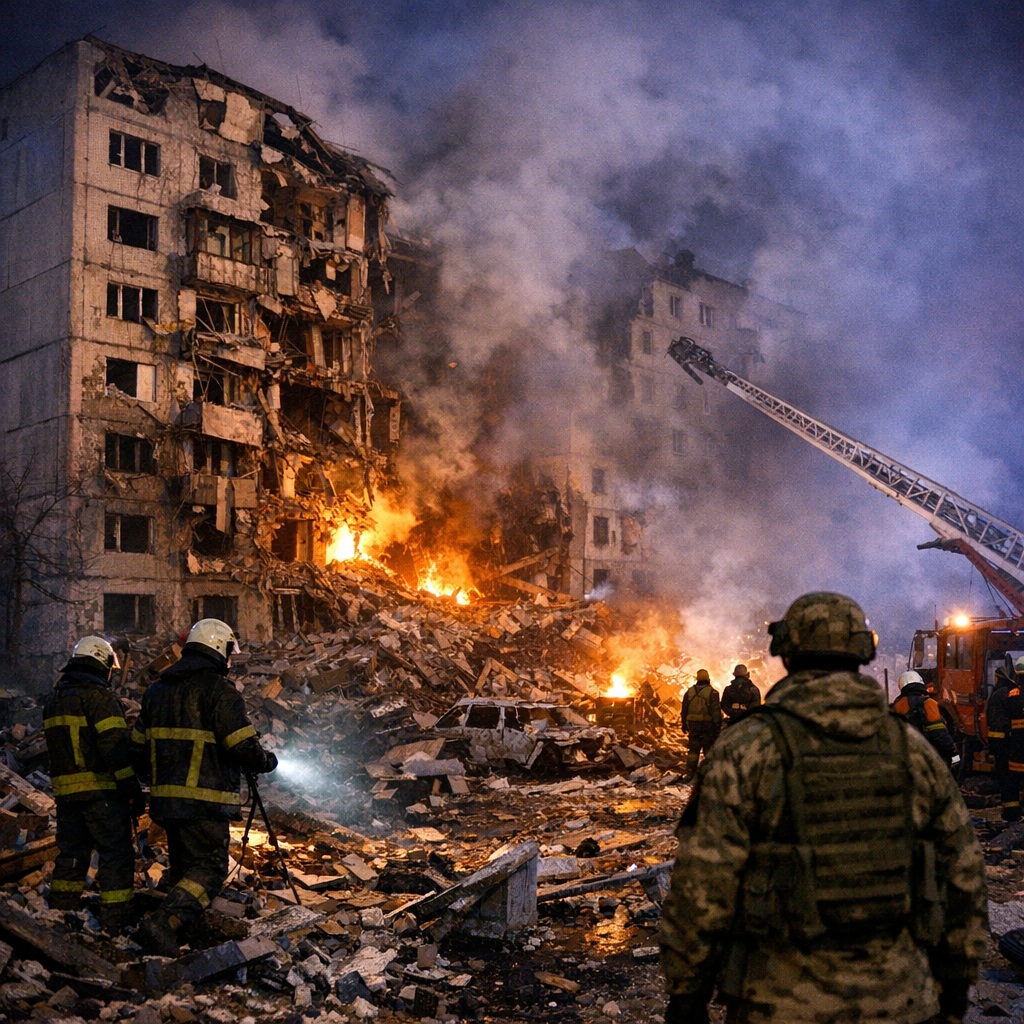
Massive Russian attacks struck multiple regions of Ukraine overnight, injuring at least 23 people and killing at least one, Ukrainian authorities said, in a surge of violence that came as diplomatic efforts to reduce hostilities continued in parallel.
Air raid sirens echoed across large parts of the country as waves of missiles and drones targeted energy infrastructure, residential neighborhoods, and industrial facilities. Emergency services worked through the night to rescue civilians trapped under debris, extinguish fires, and restore basic services in areas left without electricity or heating during the winter cold.
Ukrainian officials condemned the attacks as a deliberate attempt to weaken Kyiv’s negotiating position and to signal defiance toward international mediation efforts. “These strikes have no military justification,” a senior Ukrainian official said. “They are designed to terrorize civilians and to show contempt for any meaningful peace process.”
According to regional administrations, the attacks damaged apartment buildings, schools, and critical infrastructure in both frontline and rear areas. In several cities, residents sought shelter in metro stations and basements as explosions were heard throughout the night. Hospitals treated dozens of wounded civilians, including children and elderly people suffering from shrapnel injuries and blast trauma.
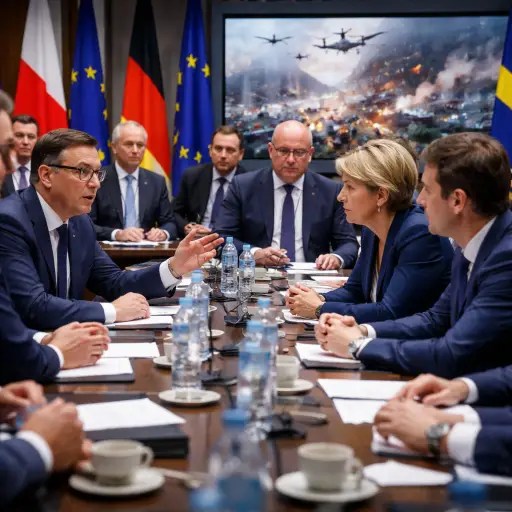
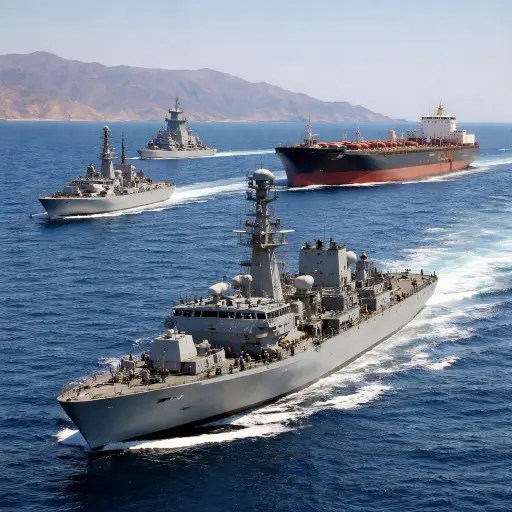
The renewed bombardment unfolded against the backdrop of ongoing diplomatic contacts involving Ukraine, Russia, and international intermediaries. While expectations for a breakthrough remain low, recent discussions had focused on humanitarian issues, including prisoner exchanges, protection of energy facilities, and the safety of civilian shipping routes.
Kyiv argues that the timing of the strikes exposes a gap between Moscow’s public statements and its actions on the ground. Ukrainian diplomats say the attacks are intended to apply pressure while talks continue, a tactic they describe as negotiation through escalation rather than compromise.
Russia, for its part, has maintained that its military operations are aimed at what it calls legitimate military targets and has repeatedly accused Ukraine of using civilian infrastructure for defense purposes, a claim Kyiv and independent observers have consistently rejected.
International reaction was swift. European leaders and Western allies issued statements condemning the strikes and reaffirming support for Ukraine’s sovereignty. Several governments called for renewed pressure on Moscow, warning that attacks on civilian infrastructure during diplomatic engagement erode trust and reduce the prospects for de-escalation.
Humanitarian organizations operating in Ukraine warned that continued large-scale strikes during winter conditions risk compounding an already severe humanitarian situation. Damage to power grids and heating systems has left thousands vulnerable, particularly in urban areas where residents rely on centralized utilities.
On the streets of affected cities, exhaustion and defiance mixed in equal measure. Residents described sleepless nights and the constant fear of renewed attacks, but also expressed determination to endure. “We listen for the drones, we count the explosions, and then we help each other in the morning,” said one resident whose apartment block was damaged.
Military analysts say the latest attacks fit a broader pattern of sustained pressure aimed at degrading Ukraine’s infrastructure and morale while testing the limits of Western support. They note that the scale and coordination of the strikes suggest significant planning and resources, even as both sides continue to suffer heavy losses.
As diplomacy proceeds in conference rooms and via back channels, events on the ground underscore the fragility of those efforts. For many Ukrainians, the overnight attacks reinforced a grim reality: negotiations may continue, but the war shows no sign of pausing.
Whether the latest violence will harden positions or prompt renewed international engagement remains uncertain. What is clear, however, is that for civilians caught in the crossfire, the cost of stalled peace is measured not in statements or meetings, but in shattered buildings, disrupted lives, and another night spent underground.

 The Tower Post