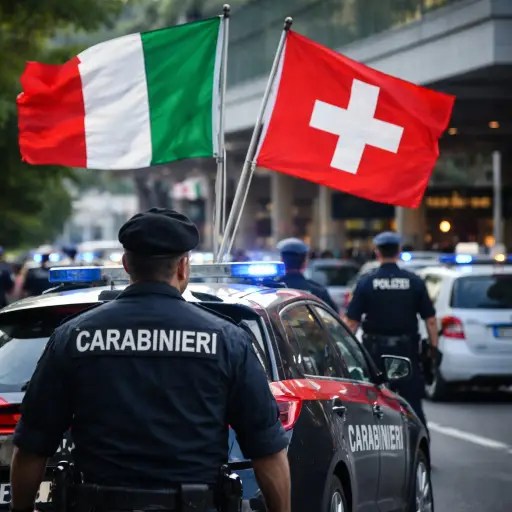
Rome’s rare diplomatic gesture underscores rising tensions with Bern after a suspect linked to a deadly bar blaze is freed pending further proceedings.
Italy has taken the unusual step of recalling its ambassador from Switzerland, escalating a diplomatic dispute sparked by the release of a suspect connected to a devastating bar fire that claimed multiple lives and shocked communities on both sides of the border. The move, announced by Italy’s foreign ministry, signals deep frustration in Rome over what it views as a lack of judicial cooperation and sensitivity in a case that has resonated far beyond the courtroom.
The incident at the center of the controversy occurred in a crowded nightlife venue near the Italian-Swiss border, where a late-night fire rapidly engulfed the premises. Survivors described scenes of panic as flames and smoke spread through the bar, trapping patrons and staff. The tragedy prompted immediate investigations in both countries, given the cross-border movements of those involved and the close social and economic ties that bind the region.
Italian prosecutors identified a suspect believed to have played a central role in starting the fire, alleging deliberate actions rather than an accident. The individual was later located in Switzerland and taken into custody by local authorities, raising expectations in Italy that extradition proceedings or continued detention would follow. Instead, Swiss judicial officials opted to release the suspect under conditions, citing procedural safeguards and the need for further legal review.
That decision ignited a political storm in Rome. Senior Italian officials publicly questioned the timing and rationale of the release, arguing that it undermined the gravity of the allegations and risked eroding public confidence in cross-border justice. The foreign ministry summoned the Swiss ambassador for an explanation, and within days announced that Italy’s own ambassador would be recalled for consultations.
Recalling an ambassador is a strong diplomatic signal, typically reserved for moments of acute disagreement. While it stops short of severing relations, it conveys formal disapproval and places pressure on the other party to address the concerns raised. In this case, Italian leaders framed the move as necessary to defend the interests of victims and their families, many of whom are Italian citizens still seeking answers and accountability.
Swiss authorities, for their part, defended their handling of the case. Officials emphasized the independence of the judiciary and the country’s strict adherence to legal standards, including the presumption of innocence. They stressed that the suspect remains under investigation and subject to legal obligations, and that cooperation with Italian counterparts is ongoing through established judicial channels.
Despite these assurances, the episode has exposed underlying tensions between two neighboring states that otherwise enjoy close relations. Italy and Switzerland cooperate extensively on trade, migration, infrastructure, and security. Thousands of commuters cross the border daily, and law enforcement agencies routinely share information. Precisely because of this proximity, expectations of swift and seamless collaboration run high—and disappointments can quickly become politically charged.
The bar fire case has also stirred public debate in Italy about the effectiveness of international legal mechanisms. Commentators and opposition figures have called for stronger extradition frameworks and clearer protocols in cases involving serious crimes with cross-border implications. Some have accused the government of being too restrained in defending national interests, while others warn against politicizing judicial matters.
Within Switzerland, reactions have been more measured but not indifferent. Media coverage has highlighted the sensitivity of the case and the potential impact on bilateral relations. Legal experts have cautioned against rushing decisions under political pressure, noting that Switzerland’s legal system is designed to balance cooperation with rigorous protections for individual rights.
At the diplomatic level, efforts are underway to prevent the dispute from spiraling further. Officials from both foreign ministries have indicated that channels of communication remain open and that the recall is intended as a temporary measure. Behind the scenes, technical discussions between prosecutors and justice ministries continue, aimed at clarifying procedures and sharing evidence.
The timing of the dispute adds to its intensity. Coming at a moment when European governments are grappling with broader questions of security, judicial cooperation, and public trust, the case has become a symbol of the challenges inherent in cross-border governance. For Italy, the release of the suspect touches a raw nerve, combining grief over the fire with concerns about accountability. For Switzerland, the reaction from Rome raises questions about how to uphold legal principles while maintaining good neighborly relations.
Observers note that similar disputes in the past have eventually been resolved through dialogue and compromise. Italy and Switzerland have weathered disagreements before, often emerging with updated agreements and improved coordination. Whether this episode will lead to lasting changes remains to be seen, but it has already prompted calls for a review of existing protocols dealing with serious transnational crimes.
For the families affected by the bar fire, diplomatic maneuvers offer little immediate solace. Their focus remains on the search for truth and justice, wherever it may lead. As the two countries navigate the fallout, the challenge will be to reconcile legal प्रक्रdures with the emotional weight of a tragedy that crossed borders as easily as the flames spread through the bar.
As late January unfolds, the recall of Italy’s ambassador stands as a reminder that even among close neighbors, trust must be continually reinforced. How Rome and Bern manage the coming weeks will shape not only the outcome of this case, but also the tone of their cooperation in the years ahead.



 The Tower Post