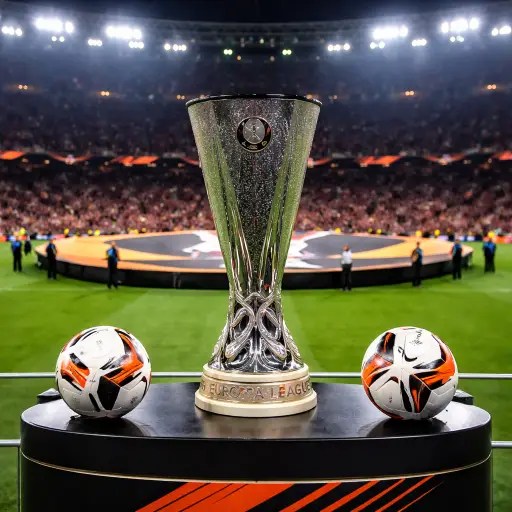
Europe’s second-tier continental competition sharpens its focus as 24 clubs set the stage for a high-stakes spring campaign
As winter tightens its grip across the continent, the UEFA Europa League has delivered one of its most anticipated moments of the season: confirmation of the knockout phase lineup. The announcement of the 24 teams advancing to the round of 16 and the knockout play-offs offers a clear roadmap for the decisive months ahead, when ambition, depth, and tactical clarity often matter as much as raw talent.
For clubs, supporters, and broadcasters alike, this moment marks a psychological turning point. The group-stage uncertainty and early league-phase calculations are over. What follows is a sequence of two-legged ties where margins shrink, pressure intensifies, and European experience becomes a currency as valuable as form.
The confirmed lineup reflects the competition’s enduring identity. The Europa League continues to sit at a crossroads between elite aspiration and opportunity, blending established names with ambitious challengers from across UEFA’s member associations. This mix is not accidental; it is central to the tournament’s appeal. While the Champions League tends to consolidate power, the Europa League redistributes it, offering clubs outside the traditional elite a genuine pathway to continental relevance.
This season’s knockout field underlines that balance. Clubs arriving directly in the round of 16 have been rewarded for consistency and efficiency earlier in the campaign, sparing themselves an extra hurdle. Those entering through the knockout play-offs, by contrast, carry momentum forged in adversity. Historically, that momentum has often proved decisive, as teams sharpened by early elimination battles arrive battle-ready when others are still managing expectations.
From a tactical perspective, the knockout phase signals a subtle but important shift. Coaches can no longer rely on squad rotation or long-term experimentation. Game plans become narrower, substitutions more conservative, and mistakes more costly. Away goals may no longer dominate strategic thinking as they once did, but controlling tempo across two legs remains essential. A strong first half-hour at home, or a disciplined defensive display away, can define an entire tie.
The diversity of footballing cultures represented in the final 24 also adds layers of intrigue. Northern European sides often bring physical intensity and direct transitions, while southern teams emphasize positional control and technical fluency. Eastern and central European clubs, increasingly tactically sophisticated, have shown a growing ability to disrupt more glamorous opponents. These contrasts ensure that the Europa League knockout rounds rarely follow a predictable script.
Beyond the pitch, the confirmation of the lineup carries economic and symbolic weight. Progress in Europe can stabilize club finances, attract sponsors, and elevate domestic prestige. For some teams, the Europa League is not a secondary objective but the central axis of their season. Qualification for later rounds can reshape priorities, influence transfer strategies, and even determine the future of coaching staff.
Supporters, too, understand what is at stake. European knockout nights possess a distinct atmosphere, combining local identity with continental spectacle. Midweek floodlights, packed stands, and the shared tension of two-legged ties contribute to a narrative rhythm unmatched by domestic competitions. For traveling fans, these matches also reaffirm football’s role as a cultural bridge, connecting cities and communities through shared rituals.
The confirmed bracket also sharpens the long-term narrative of the season. With a European trophy and a coveted route into the following year’s elite competition on the line, the Europa League increasingly functions as both an end and a beginning. Winning it brings silverware, prestige, and strategic advantage, while a deep run alone can redefine how a club is perceived across Europe.
As the competition moves into its decisive phase, the message is clear: reputation offers no guarantees, and opportunity rewards precision. The 24 clubs now know the path ahead, but knowledge alone is not enough. Execution, adaptability, and resilience will determine who remains standing when spring turns toward summer.
The Europa League knockout phase does not promise perfection; it promises confrontation. Styles will clash, narratives will collide, and seasons will pivot on moments that last only seconds. With the lineup confirmed, European football enters a period where every match matters more, and every decision echoes longer than before.


 The Tower Post