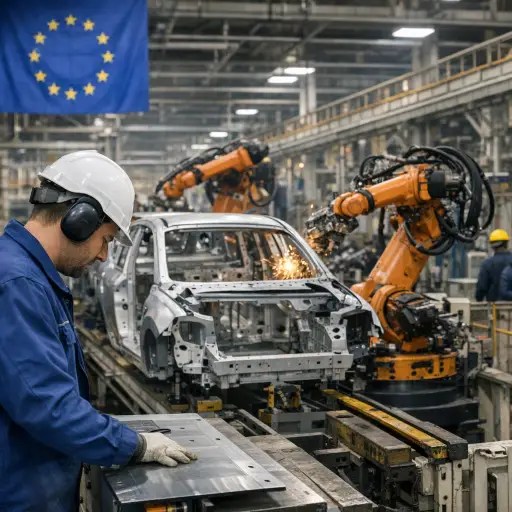
Brussels seeks to shield manufacturers from cheap imports and global shocks, but critics warn of higher costs and strained supply chains
Brussels is sharpening its industrial ambitions. As global trade tensions deepen and competition from subsidised foreign producers intensifies, the European Union is moving to place domestic manufacturing at the heart of its economic strategy. At the centre of this push is a renewed call for a bold “Made in Europe” approach, aimed at reinforcing industrial resilience, safeguarding jobs and restoring confidence in the continent’s productive base.
The initiative has been championed by the EU’s industry leadership, which argues that Europe can no longer rely on open markets alone to guarantee prosperity. Years of supply chain disruptions, energy price shocks and aggressive industrial policies abroad have exposed structural vulnerabilities across key sectors, from steel and chemicals to batteries and clean technologies. The message from Brussels is increasingly clear: strategic autonomy is no longer optional.
Under the “Made in Europe” banner, policymakers want to ensure that a greater share of goods consumed in the EU are designed, manufactured or assembled within the bloc. The strategy is closely linked to existing efforts to boost investment in green technologies, digital infrastructure and critical raw materials, while tightening trade defence instruments against dumping and unfair subsidies.
Supporters say the approach is not about isolationism, but about restoring balance. European manufacturers, they argue, are often undercut by cheaper imports produced under looser environmental, labour or state-aid rules. By favouring European-made products in public procurement, infrastructure projects and strategic supply chains, Brussels hopes to create a level playing field that rewards sustainability and quality rather than price alone.
Industry leaders across the continent have largely welcomed the initiative. Executives in sectors such as renewable energy, defence, pharmaceuticals and advanced manufacturing see it as long overdue recognition of the pressures they face. Many point to the risk of deindustrialisation if Europe fails to respond decisively to massive subsidy programmes and state-backed competition elsewhere.
For them, “Made in Europe” is also about jobs. Manufacturing still employs millions of workers directly and indirectly, often in regions with limited alternatives. Strengthening local production, they argue, would not only protect existing employment but also create new opportunities in emerging industries linked to the green and digital transitions.
The strategy also fits neatly into the EU’s climate agenda. Producing goods closer to consumers can reduce transport emissions, while stricter environmental standards can accelerate the shift towards cleaner industrial processes. Brussels believes that anchoring green value chains in Europe will help meet climate goals without hollowing out the industrial base.
Yet the proposal has exposed familiar fault lines within the EU. Some member states, particularly those with export-oriented economies or deep integration into global supply chains, are wary of strict localisation requirements. They fear that overly rigid “Made in Europe” rules could raise costs for businesses and consumers, weaken competitiveness and invite retaliation from trading partners.
Automakers have emerged as some of the most vocal critics. The European car industry relies on complex, global supply networks for components, raw materials and technologies. Executives warn that forcing higher European content thresholds could disrupt production, delay innovation and increase vehicle prices at a time when the sector is already under strain from electrification and regulatory change.
There is also concern that smaller companies could struggle to adapt. While large multinationals may have the resources to reorganise supply chains or invest in new facilities, small and medium-sized enterprises could face higher input costs and administrative burdens. Several business associations have called for flexibility, transitional periods and targeted support to avoid unintended consequences.
Trade experts caution that the EU must tread carefully to remain compliant with international trade rules. Although Brussels insists that the strategy will respect its global commitments, critics argue that preferential treatment for European products could blur the line between legitimate industrial policy and protectionism.
EU officials counter that the world has changed. With major economies openly supporting domestic industries and weaponising trade, they say Europe must defend its interests or risk falling behind. The challenge, they acknowledge, is to design policies that strengthen resilience without closing doors.
In practical terms, the debate now centres on how far the “Made in Europe” concept should go. Options under discussion range from softer incentives, such as bonuses in public tenders for European content, to stricter requirements in strategic sectors deemed critical for security or the energy transition.
What is clear is that the initiative marks a shift in tone. For decades, the EU has defined itself as a champion of open markets and globalisation. While that commitment remains, it is now paired with a more assertive industrial stance, reflecting a broader reassessment of economic priorities.
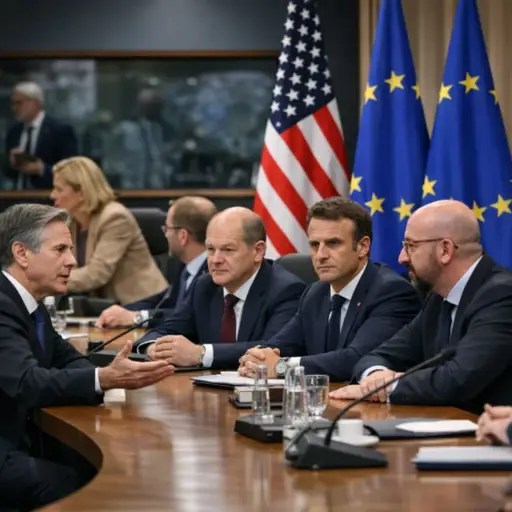
As negotiations continue among institutions, member states and industry, the outcome will shape Europe’s industrial landscape for years to come. The “Made in Europe” strategy promises protection and opportunity, but also carries risks if applied without nuance.
For Brussels, the task is to strike a delicate balance: fostering a strong, competitive industrial base that can withstand global shocks, while keeping Europe open, innovative and connected to the world. The coming months will show whether the slogan can be translated into a strategy that delivers on its ambitions without fragmenting the single market it seeks to defend.


 The Tower Post