
As the Winter Games open in Italy, the Olympic Truce highlights hope for unity amid ongoing wars
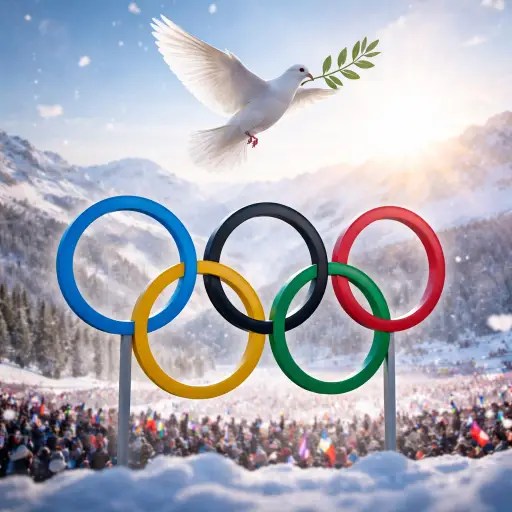
As the Winter Olympic Games open in Italy, the United Nations has renewed its traditional call for a global Olympic Truce, urging nations and armed groups to lay down their weapons for the duration of the Games. The appeal, rooted in an ancient Greek tradition revived in the modern Olympic era, seeks to promote peace through sport, diplomacy, and shared human values. Yet the renewed call comes at a moment when the world remains deeply fractured, with multiple high-intensity conflicts continuing despite international appeals for restraint.
The Olympic Truce, endorsed repeatedly by the U.N. General Assembly, is intended to create a window for dialogue and humanitarian action. It calls for a cessation of hostilities beginning shortly before the opening ceremony and extending beyond the closing of the Paralympic Games. In statements released from New York and Rome, U.N. officials and Olympic leaders emphasized that the truce is not merely symbolic. They argue it offers a practical opportunity for humanitarian corridors, prisoner exchanges, and renewed diplomatic engagement.
Italy, hosting the Winter Games across its northern regions, has echoed this message. Italian officials framed the Olympics as a rare moment of shared attention in an otherwise divided global landscape. In their view, the Games provide a platform where rival nations compete under common rules, watched by a worldwide audience, reminding the international community of cooperation without erasing difference.
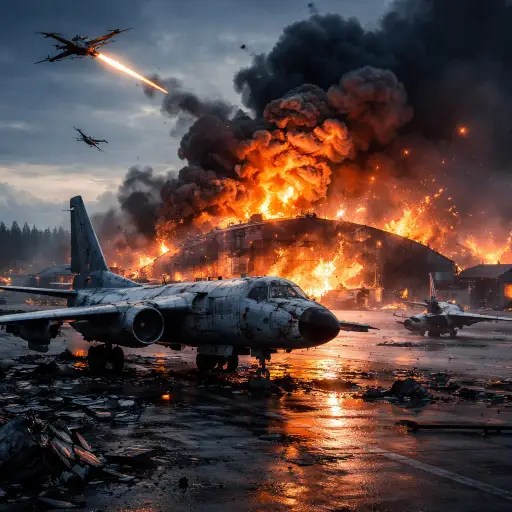
Despite these aspirations, the contrast between Olympic ideals and global realities remains stark. Active conflicts continue to dominate headlines. In Eastern Europe, the war in Ukraine grinds on, marked by persistent fighting, displacement of civilians, and strained diplomatic channels. In the Middle East, violence linked to Gaza continues to claim lives and destabilize the region, while negotiations struggle to gain lasting traction. In parts of Africa, including Sudan, armed confrontations and humanitarian crises persist, often outside the sustained focus of international media.
U.N. Secretary-General officials acknowledged this tension directly, noting that calls for peace can sound hollow when bombs continue to fall. Yet they stressed that the Olympic Truce has always existed in imperfect circumstances. Historically, it has rarely stopped wars outright, but it has succeeded in opening limited spaces for aid delivery and dialogue. For the United Nations, the value of the truce lies in its moral clarity: a collective reminder of what the international community claims to stand for.
The International Olympic Committee reinforced this message, emphasizing that athletes arrive at the Games not as representatives of conflict, but as individuals shaped by years of discipline and sacrifice. Olympic leaders highlighted stories of competitors from war-affected regions who trained under difficult conditions, sometimes amid displacement or loss. Their presence, officials argue, embodies resilience and the possibility of coexistence.
Critics, however, question whether the Olympic Truce still carries meaningful weight. Some diplomats and analysts argue that repeated violations have weakened its credibility. They point out that modern conflicts are often driven by actors who feel little pressure from international opinion or symbolic resolutions. In this view, the truce risks becoming a ritual statement rather than a catalyst for change.
Humanitarian organizations take a more pragmatic stance. Aid groups working in conflict zones say that even brief pauses in fighting can save lives, allowing vaccinations, food deliveries, and evacuations to proceed. For them, the Olympic Truce is less about grand gestures and more about operational opportunities. Any reduction in violence, however limited, is seen as worth pursuing.
Public reaction to the renewed call has been mixed. Social media discussions reflect both hope and skepticism, with some users praising the symbolism of peace through sport, while others highlight the suffering that continues regardless of international appeals. The debate itself underscores the central contradiction of the Olympic Truce: it draws attention precisely because peace remains elusive.
As athletes compete on snow and ice in Italy, the world watches events that celebrate excellence, fairness, and mutual respect. Outside the arenas, however, millions continue to live under the shadow of war. The Olympic Truce does not resolve this disparity, but it exposes it, inviting reflection on the gap between shared ideals and political realities.
In the end, the U.N.’s call is less a declaration of success than a challenge. It asks governments, armed groups, and citizens alike to consider whether moments of global unity can be translated into action beyond the stadiums. Whether or not the appeal is heeded, the message remains clear: even in a fractured world, the aspiration for peace continues to demand a voice.

 The Tower Post