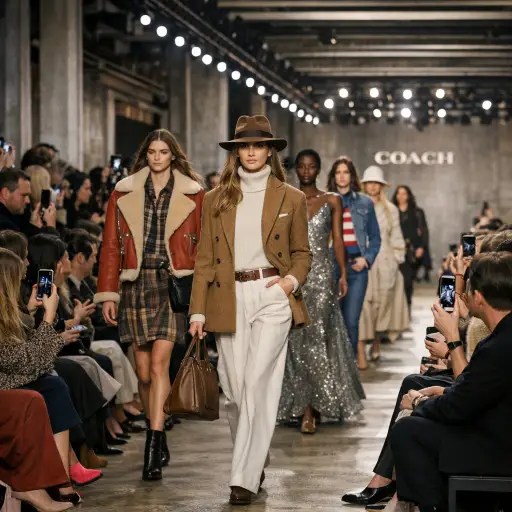
Strong heritage brands and emerging designers drive momentum as U.S. fashion proves resilient during the global luxury slowdown
As the fashion world turns its attention to New York, the upcoming Fashion Week is shaping up as a confident showcase of American design strength and commercial resilience. Set against a challenging global environment for luxury fashion, the event is emphasizing brands that have managed to maintain growth by blending heritage aesthetics, accessible pricing strategies, and contemporary cultural relevance.
Industry insiders describe the current moment as one of recalibration rather than decline. While several international luxury houses are navigating slower consumer demand, American labels are benefiting from a renewed appetite for practicality, recognizable style, and affordability. The upcoming edition of New York Fashion Week reflects this shift, bringing together approximately 60 labels that highlight both established fashion powerhouses and rising creative talent.
Among the most closely watched participants are Ralph Lauren and Coach, two brands that continue to embody the enduring appeal of classic American fashion. Their consistent performance in a volatile market underscores the broader industry trend toward what analysts call “affordable luxury” — a segment that balances aspirational branding with attainable price points.
Ralph Lauren, long associated with timeless elegance and lifestyle storytelling, remains a pillar of American fashion identity. The brand’s strength lies in its ability to reinterpret its signature preppy and equestrian influences for contemporary audiences. Recent collections have emphasized refined tailoring, neutral color palettes, and versatile wardrobe staples that appeal to both loyal consumers and younger demographics seeking understated sophistication.
Retail performance indicators suggest that consumers are gravitating toward pieces perceived as long-term investments rather than seasonal statements. Ralph Lauren’s focus on quality craftsmanship and recognizable silhouettes has reinforced its reputation as a reliable luxury option, particularly at a time when buyers are showing greater caution in discretionary spending.
Similarly, Coach continues to demonstrate the commercial advantages of merging heritage craftsmanship with modern marketing strategies. The brand has successfully revitalized its image through collaborations, digital engagement, and product innovation while preserving its legacy in leather goods. Its handbags and accessories remain particularly strong performers, benefiting from designs that combine durability with fashion-forward detailing.
Market observers note that Coach’s expansion into ready-to-wear and lifestyle categories has strengthened its position among younger consumers. By balancing nostalgia with contemporary design elements, the brand has managed to remain culturally relevant while maintaining its core identity.
Beyond these established names, New York Fashion Week is also serving as a crucial platform for emerging designers seeking global visibility. Organizers have increasingly prioritized diversity and innovation, ensuring that the event reflects the evolving social and cultural dynamics shaping modern fashion.
Several emerging labels are expected to present collections that experiment with sustainable materials, digital fabrication techniques, and gender-fluid silhouettes. These designers often operate with smaller production scales but are attracting strong attention from buyers and investors interested in fresh creative perspectives. Their presence highlights New York’s reputation as a launchpad for talent and a hub for experimentation.
Sustainability remains a central theme across many participating brands. Designers are incorporating recycled fabrics, responsible sourcing practices, and circular production models as environmental concerns continue to influence consumer purchasing decisions. Fashion analysts argue that sustainability is no longer a niche marketing strategy but an essential business requirement, particularly among younger shoppers who prioritize ethical transparency.
Technology is also playing a growing role in how collections are presented and marketed. Several designers are integrating digital showrooms, augmented reality fittings, and livestreamed runway experiences to reach global audiences. These innovations not only expand market access but also reflect the industry’s adaptation to evolving consumer behavior shaped by social media and online retail.
Another defining feature of this season is the strong emphasis on versatility and comfort. Many designers are presenting collections that blur the boundaries between formalwear and casual attire, reflecting changing workplace dynamics and lifestyle habits. Relaxed tailoring, layered textures, and multifunctional garments are emerging as dominant trends, suggesting that modern consumers are seeking clothing that accommodates fluid daily routines.
Economic factors continue to influence fashion strategies. While high-end luxury brands in several international markets are experiencing fluctuating demand, American labels appear to benefit from diversified pricing structures. By offering premium products alongside more accessible collections, these companies can reach broader consumer segments while maintaining brand prestige.
Retail analysts suggest that this flexible approach is particularly effective in uncertain economic periods. Consumers may reduce spending on ultra-luxury purchases but remain willing to invest in items that provide perceived value and durability. American brands have historically excelled in balancing aspirational branding with practical consumer expectations, a formula that appears especially relevant in the current market climate.
The broader cultural narrative surrounding American fashion is also evolving. Designers are increasingly drawing inspiration from regional heritage, multicultural influences, and social commentary. These themes are expected to be visible across runway presentations, reflecting the diversity that defines contemporary American identity.
Industry experts emphasize that New York Fashion Week plays a significant role in shaping global fashion conversations. While European fashion capitals remain synonymous with haute couture and avant-garde experimentation, New York continues to lead in commercial innovation and wearable design. This distinction has helped the event maintain its relevance and influence within the international fashion calendar.
Buyers, stylists, and media representatives attending the shows are expected to closely monitor how American designers navigate the intersection of creativity and market viability. The collections presented will likely influence retail strategies, trend forecasting, and consumer behavior throughout the coming seasons.
As anticipation builds, New York Fashion Week stands as a reflection of the fashion industry’s ongoing transformation. By spotlighting strong heritage brands, supporting emerging talent, and embracing technological and sustainable innovation, the event demonstrates the resilience of American fashion during a period of global luxury uncertainty.
Ultimately, the upcoming showcases reinforce a key industry message: adaptability and authenticity remain the driving forces behind fashion success. As designers continue to reinterpret classic styles while responding to modern consumer values, American brands appear well positioned to maintain their influence on the global fashion stage.




 The Tower Post