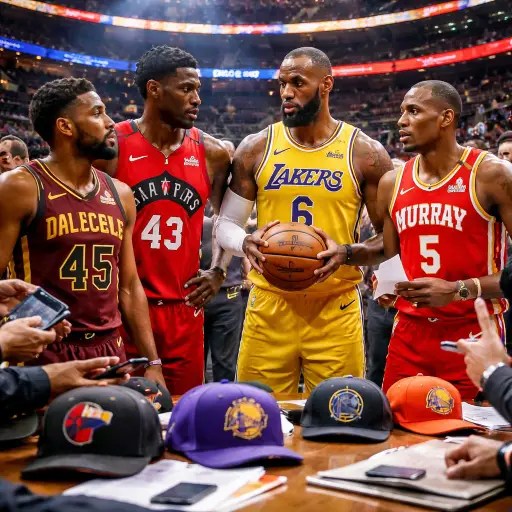
Approaching deadline deals reshape NBA balance and ripple through global basketball
As professional basketball edges toward one of its most closely watched transactional periods, the international sports community is turning its attention to the shifting dynamics of the NBA trade market. With front offices accelerating negotiations and franchises recalibrating ambitions, the league’s annual player movement window is generating consequences that extend far beyond North America, shaping expectations, fan engagement, and career trajectories across global basketball ecosystems.
League insiders describe the current atmosphere as unusually fluid, with several star players, rising prospects, and experienced role players involved in discussions that could significantly alter the competitive landscape. Teams hovering near playoff contention are exploring aggressive upgrades, while franchises undergoing rebuilding phases are evaluating opportunities to secure future assets. This dual approach has intensified trade speculation and placed the league at the center of global sporting conversation.
One of the most notable aspects of the current trade climate is the increased willingness of franchises to restructure rosters around versatile, internationally experienced athletes. Over the past decade, the NBA’s global reach has transformed player development pipelines, and front offices are increasingly prioritizing athletes capable of adapting to multiple playing styles influenced by European and international systems. This shift has elevated the visibility of international players and heightened interest among overseas supporters who follow the careers of athletes from their respective regions.
Industry analysts emphasize that potential blockbuster deals are not simply about team performance; they also carry economic and marketing implications. Major transfers often trigger surges in merchandise sales, television ratings, and digital engagement across multiple continents. European broadcasters and streaming platforms, which have expanded coverage of NBA content in recent seasons, closely monitor these roster changes as they influence audience preferences and scheduling strategies.
For European clubs and development programs, the trade period serves as both inspiration and uncertainty. Coaches and executives across prominent basketball leagues observe how NBA franchises construct rosters, drawing lessons about talent valuation, contract flexibility, and strategic depth. At the same time, player movement in North America can reshape transfer markets in Europe, particularly when athletes seek increased playing time or developmental opportunities outside the NBA structure.
Several negotiations reportedly involve players whose international careers have already attracted widespread attention. These athletes, celebrated for bridging stylistic gaps between continents, often serve as cultural ambassadors for the sport. Their potential relocation to new franchises can influence not only team chemistry but also the popularity of basketball within their home countries, where fan bases frequently shift loyalties alongside national stars.
The strategic motivations behind many of the anticipated deals reflect evolving philosophies within the NBA. Modern teams increasingly prioritize floor spacing, defensive versatility, and positional flexibility. As a result, franchises are willing to trade established players if incoming talent better aligns with contemporary tactical demands. This pragmatic approach underscores how analytics and performance metrics continue to redefine roster management.
Meanwhile, players themselves face complex professional decisions during the negotiation period. For established veterans, a trade may represent an opportunity to pursue championship aspirations or secure leadership roles within younger teams. For emerging talents, relocation can offer expanded playing time and exposure. Agents and representatives play crucial roles in balancing contractual considerations with long-term career development, particularly for athletes navigating cross-cultural transitions.
European basketball communities are watching closely, partly because NBA transactions often influence international recruitment patterns. When players move between American franchises, ripple effects can open roster opportunities in overseas leagues. Clubs in Spain, Turkey, France, Italy, and Eastern Europe regularly prepare contingency strategies to attract players seeking new environments, thereby maintaining competitive depth across continental competitions.
The emotional dimension of these transfers cannot be overlooked. Fans frequently develop strong connections with players, particularly international athletes who symbolize national pride. Social media platforms amplify these emotional responses, transforming trade rumors into global discussions that extend beyond traditional sports journalism. Analysts note that this digital engagement reinforces basketball’s status as one of the most internationally interconnected professional sports.
From a competitive standpoint, the impending roster adjustments could redefine championship forecasts. Contenders seek complementary scorers and defensive anchors, while mid-tier teams explore opportunities to accelerate playoff ambitions. Simultaneously, rebuilding organizations are leveraging trade negotiations to accumulate draft selections and younger prospects, aiming to secure sustainable success in future seasons.
Financial considerations also remain central to trade negotiations. Salary cap management continues to dictate how teams structure deals, often requiring creative multi-team arrangements to balance contracts. This financial complexity has elevated the role of analytics departments and legal advisors, whose expertise ensures compliance with league regulations while maximizing roster efficiency.
Observers across global basketball circles emphasize that the NBA’s influence extends into grassroots development. Youth academies frequently adapt training methodologies to mirror tactical trends emerging from professional play. When high-profile players change teams and showcase new roles, these developments can inspire coaching adjustments at developmental levels worldwide.
As negotiations intensify, uncertainty remains a defining characteristic of the trade landscape. League executives traditionally operate with high levels of discretion, and unexpected agreements can emerge rapidly. This unpredictability fuels anticipation among fans, broadcasters, and betting markets, all of which rely on the dynamic nature of roster construction to sustain engagement.
Looking ahead, the trade period represents more than a sequence of player relocations; it serves as a reflection of basketball’s globalization. The NBA’s transactional movements highlight the interconnected nature of professional sports, where decisions made in American front offices resonate across European arenas, youth academies, and international tournaments.
As teams finalize strategies and players prepare for potential transitions, the broader basketball community remains attentive to every negotiation development. The approaching deadline symbolizes both opportunity and transformation, reinforcing the NBA’s role as a central force in shaping the direction of modern basketball on a worldwide stage.




 The Tower Post