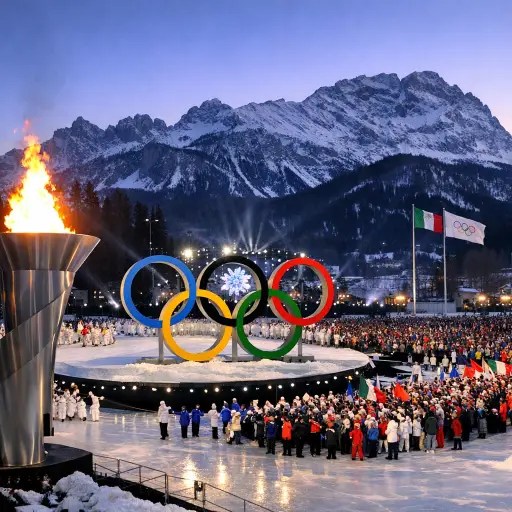
Milan and Cortina d’Ampezzo open the Olympic Winter Games amid celebration, scrutiny and a push to reconcile spectacle with sustainability.
The Olympic flame arrived in northern Italy to applause, anxiety and expectation, as the Winter Games opened across Milan and Cortina d’Ampezzo, restoring Europe to the center of the global winter sports stage. The ceremony blended modern Italian design with Alpine symbolism, projecting confidence and cultural pride while quietly acknowledging the pressure surrounding one of the most complex Olympic editions in recent memory.
For organizers, the opening marked a moment of relief as much as triumph. Years of preparation had been marked by delays, political debate and mounting questions over environmental impact. With total costs now estimated at €5.2bn, critics have scrutinized whether the Games’ promised legacy will justify the financial and ecological price paid by host regions.
The dual-host format reflects both ambition and compromise. Milan offers urban scale, transport links and global visibility, while Cortina d’Ampezzo brings historic Alpine prestige and technical venues rooted in winter sport tradition. Connecting these two worlds has been a logistical puzzle, requiring new transport links, temporary infrastructure and a level of coordination rarely attempted in previous Winter Games.
Environmental concerns have followed the event from its bidding phase. Campaigners have warned that construction in fragile mountain ecosystems risks long-term damage, particularly in areas already vulnerable to climate change. Organizers have responded by emphasizing temporary venues, venue reuse and carbon mitigation programs, framing the Games as a model for a more restrained Olympic footprint. Whether those assurances will satisfy skeptics remains an open question.
Delays to transport projects and venue upgrades added to the controversy in the final stretch. While officials insist all competition sites are ready and safe, the compressed timelines fueled public debate and raised doubts over long-term planning. In Italy, where public infrastructure projects often attract intense scrutiny, the Games have become a symbol of broader questions about governance, efficiency and public spending.
Yet for athletes arriving from across the world, the mood has been markedly different. Training sessions and early competition days have been met with packed stands, crisp mountain conditions and the unmistakable electricity that only the Olympics can generate. Many competitors have spoken of the unique appeal of racing in historic European settings, where winter sport culture runs deep and crowds understand the nuances of each discipline.
Fans, too, have embraced the moment. Streets in Milan filled with visitors in national colors, while Alpine towns transformed into multilingual hubs of celebration. Local businesses, still recovering from recent economic shocks, are counting on the Games to deliver a tourism boost that extends well beyond the closing ceremony. Hoteliers and shop owners describe a cautious optimism, tempered by awareness that Olympic attention can be fleeting.
Security and logistics remain at the forefront of operational concerns. Managing events spread across multiple regions has required unprecedented coordination between local authorities, national agencies and international partners. Officials describe the setup as a stress test for future multi-city sporting events, a format increasingly favored as hosts seek to limit costs and infrastructure burdens.
At the heart of the Games, however, is sport itself. From speed skating ovals to snow-covered mountain courses, the competitions promise narratives of rivalry, redemption and breakthrough performances. Several disciplines are expected to showcase a new generation of athletes, while veterans chase final Olympic moments on familiar European slopes.
The International Olympic Committee has framed these Games as a bridge between tradition and reform. Faced with growing resistance to hosting mega-events, the Olympic movement has promoted flexibility, regional hosting and sustainability as pillars of its future. Milan and Cortina serve as a proving ground for that vision, demonstrating whether the Winter Games can adapt without losing their grandeur.
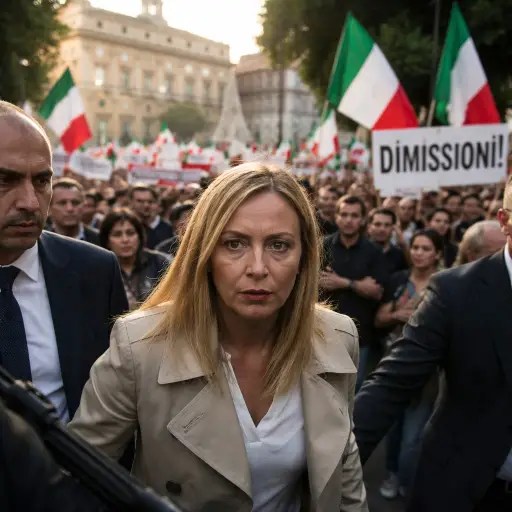
Public opinion in Italy remains divided. Supporters argue the event enhances international visibility, modernizes infrastructure and inspires youth participation in sport. Opponents counter that benefits are unevenly distributed and that environmental costs will linger long after medals are awarded. This tension has played out in media coverage, local protests and political debate, underscoring how the Olympics increasingly mirror the complexities of the societies that host them.
As the competitions unfold, attention will shift from preparation to performance. Success, in the end, may be judged less by flawless logistics than by whether the Games deliver moments that resonate beyond controversy. For now, the Olympic Winter Games are open, unfolding in the shadow of the Alps and under the gaze of a global audience keen to see whether celebration can coexist with accountability.

 The Tower Post