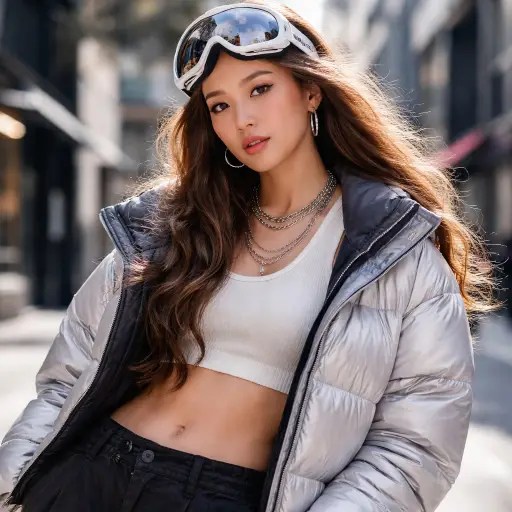
Eileen Gu on fashion, freedom, and redefining athletic identity
On winter days when competition fades into memory, Eileen Gu’s presence still travels far beyond the slopes. Known globally for redefining freestyle skiing with technical brilliance and composure under pressure, Gu is increasingly visible in another arena—one where clothing, attitude, and self-expression speak as loudly as medals ever could.
In recent conversations surrounding culture and creativity, Gu has been reflecting on life outside competition. The discussion moves easily from performance to personal space, from the strict codes of elite sport to the looser, more intuitive language of fashion. What emerges is a portrait of an athlete learning to claim authorship over her image at a moment when expectations, visibility, and scrutiny are all intensified.
For Gu, fashion is not a costume layered on top of sport. It is an extension of the same curiosity that drives her athletic progression. She speaks about clothes as tools—ways of experimenting with mood, confidence, and movement. Off the slopes, silhouettes soften, colors broaden, and references stretch from streetwear to classic tailoring. Each choice becomes a quiet assertion of freedom.
That freedom, however, exists alongside pressure. High-level competition trains athletes to optimize every variable, leaving little room for ambiguity. Gu acknowledges that stepping away from that framework can feel disorienting. Fashion offers a counterbalance: a space where there is no scoreboard, no judging panel, and no definitive right answer. The act of getting dressed becomes a small daily rebellion against rigidity.
Observers of contemporary style have noted how Gu’s off-duty looks reflect broader shifts in street aesthetics. Performance fabrics appear beside relaxed denim; luxury pieces mix comfortably with skate-influenced staples. This blending mirrors the way modern athletes navigate multiple worlds at once—professional, digital, cultural—without fully belonging to any single one.
Gu’s crossover appeal lies precisely in that in‑between space. She is neither confined to the identity of a competitor nor absorbed entirely into fashion culture. Instead, she moves laterally, borrowing and reshaping. For younger audiences in particular, this fluidity resonates. It suggests that excellence in one field does not require the abandonment of others.
As conversations around mental health and sustainability gain prominence in sport, Gu’s reflections also touch on longevity. Fashion, she notes, has taught her patience and perspective. Trends pass. So do seasons of competition. What remains is the individual’s relationship to self-expression—how one adapts, evolves, and stays grounded amid constant change.
In the broader lifestyle landscape, Gu continues to function as a bridge figure. Brands, designers, and fans are drawn not just to her achievements, but to her willingness to appear unfinished, exploratory, and human. She represents a generation of athletes who are comfortable being multifaceted, who understand visibility as something to be shaped rather than endured.
As winter recedes and attention drifts toward what comes next, Gu’s voice adds nuance to the conversation about modern athletic identity. Beyond the finish line, beyond the podium, she is carving out space—stitched together by fabric, movement, and intention—where performance and personality can finally coexist.


 The Tower Post