Faster deportations to “safe” countries divide lawmakers as humanitarian groups warn of risks to vulnerable people

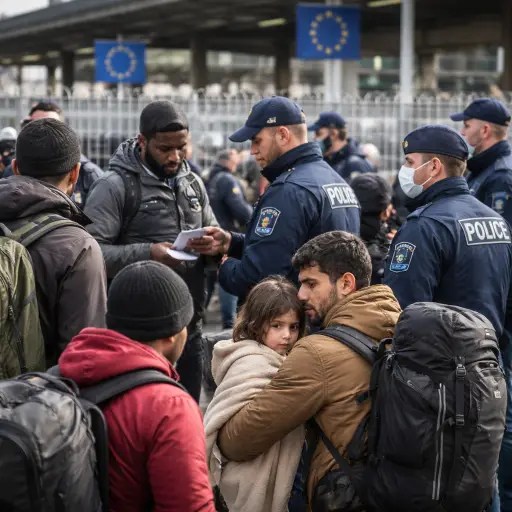
The European Union has taken a decisive step toward reshaping its migration and asylum framework, approving a set of tougher rules designed to accelerate deportations and reduce mounting backlogs across the bloc. The measures, backed by a majority of European lawmakers after months of tense negotiations, mark one of the most consequential shifts in EU migration policy in recent years.
At the heart of the reform is a mechanism that allows member states to return rejected asylum seekers more quickly to a list of designated “safe” countries. Supporters say the changes are long overdue, arguing that existing procedures have overwhelmed national asylum systems and eroded public confidence in the bloc’s ability to manage migration in an orderly way.
Critics, however, warn that speed may come at the expense of fairness. Human rights organizations and several political groups fear that the new approach risks undermining individual assessments and could expose vulnerable migrants to harm, particularly those fleeing complex or less visible forms of persecution.
A push for speed and efficiency
European officials who championed the reform say it responds to a simple reality: asylum systems across the EU are clogged with applications that take months, sometimes years, to process. During that time, applicants often remain in legal limbo, unable to work or integrate, while governments shoulder the cost of accommodation and administration.
Under the new rules, asylum claims deemed unlikely to succeed can be fast-tracked, allowing authorities to issue return decisions more swiftly. Applicants from countries classified as “safe” — meaning they are presumed to offer adequate protection to their citizens — may see their cases handled through accelerated procedures, with fewer avenues for appeal.
Proponents argue that this will free up resources for those most in need. “A system that is slow and overstretched helps no one,” said one senior EU official involved in the negotiations. “By reducing abuse and misuse, we can focus protection where it truly belongs.”
The reforms also aim to create greater consistency across the bloc. Until now, differences in national procedures have encouraged so-called secondary movements, with asylum seekers traveling between member states in search of more favorable systems. Lawmakers hope that clearer, faster rules will reduce these incentives.
Concerns over safeguards
Despite assurances from EU institutions that fundamental rights will be respected, civil society groups remain deeply skeptical. They argue that labeling countries as universally “safe” ignores regional instability, discrimination against minorities, and the rapidly changing political situations that can put returnees at risk.
Legal experts have also raised concerns about access to effective remedies. Accelerated procedures, they say, may limit the time and resources available for applicants to gather evidence, obtain legal counsel, or appeal negative decisions. For people traumatized by conflict or persecution, navigating a compressed legal process can be particularly challenging.
Several lawmakers who opposed the package warned that the EU risks eroding its own values. “Efficiency cannot replace justice,” said one member of the European Parliament during the final debate. “If we sacrifice careful assessment for speed, we may send people back into danger.”
A political balancing act
The tougher stance reflects broader political pressures within the EU, where migration remains a potent and polarizing issue. Governments face growing demands from voters to control borders and enforce returns, even as labor shortages persist in many sectors and demographic decline looms.
By tightening asylum procedures, centrist and conservative parties hope to blunt the appeal of far-right movements that have capitalized on migration fears. At the same time, they are seeking to present the reforms as compatible with international obligations and the right to seek asylum.
Whether the new rules will achieve that balance remains uncertain. Implementation will largely fall to national authorities, whose capacity and political will vary widely. Monitoring how “safe” country lists are drawn up and revised will be crucial, as will oversight to ensure that individual circumstances are not overlooked.
Looking ahead
As the reforms move from legislation to practice, the EU finds itself at a familiar crossroads. The bloc is once again trying to reconcile control with compassion, efficiency with fairness. For migrants and asylum seekers, the consequences will be immediate and deeply personal.
For European leaders, the stakes are equally high. If the system delivers faster, credible decisions while safeguarding rights, it could restore trust in a policy area long marked by crisis. If not, it may fuel further legal challenges, political divisions, and moral questions about the EU’s role in a world where displacement shows no sign of slowing.