Vitali Klitschko says intensified Russian strikes, winter hardship, and strained alliances threaten the nation’s future

The mayor of Ukraine’s capital has delivered one of his starkest assessments yet of the country’s wartime trajectory, warning that the very survival of Ukraine as an independent state remains an “open question” as Russian forces intensify their assault on critical infrastructure and civilian centers.
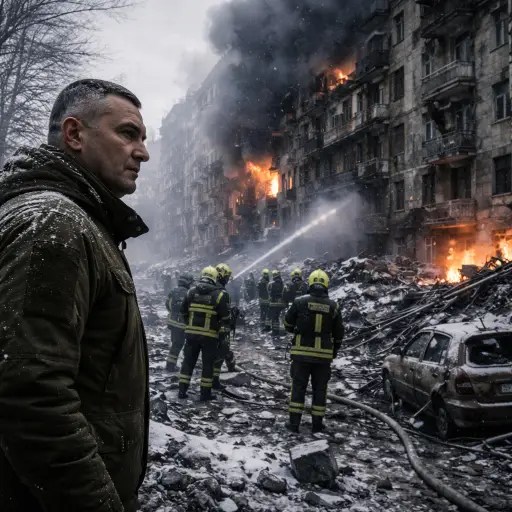
Vitali Klitschko spoke as renewed missile and drone strikes battered energy facilities, heating plants, and transport hubs during the harsh winter season, leaving entire districts intermittently without electricity and forcing residents to rely on generators and improvised heating as temperatures remain low.
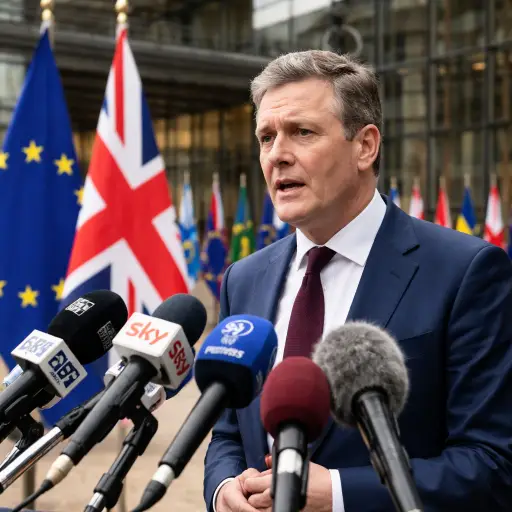
The situation is extremely difficult, Klitschko said in remarks to Ukrainian and international media, adding that the country’s existence cannot be taken for granted as attacks continue to test both the capital’s defenses and the resilience of its population.
In recent weeks Russian forces have concentrated on Ukraine’s energy grid and logistical arteries, a strategy analysts say is designed to erode civilian morale while complicating military supply chains, even as air defense systems over Kyiv intercept many incoming projectiles.
Despite those defenses enough strikes have penetrated to inflict substantial damage, straining emergency crews and municipal budgets, while apartment blocks lose heating without warning and hospitals and schools operate on backup power.
City authorities have expanded so‑called resilience centers where residents can warm up, charge phones, and access basic medical support, yet fatigue is increasingly visible among civilians navigating repeated blackouts and air raid sirens.
This winter is not just about cold weather, Klitschko said, describing it as a test of endurance and questioning how long society can withstand sustained pressure intended to weaken national resolve.
Ukraine’s armed forces continue to hold defensive lines along key sectors of the front, but the conflict’s toll is measured not only in territory contested but in infrastructure destroyed, economic strain, and the psychological burden carried by millions.
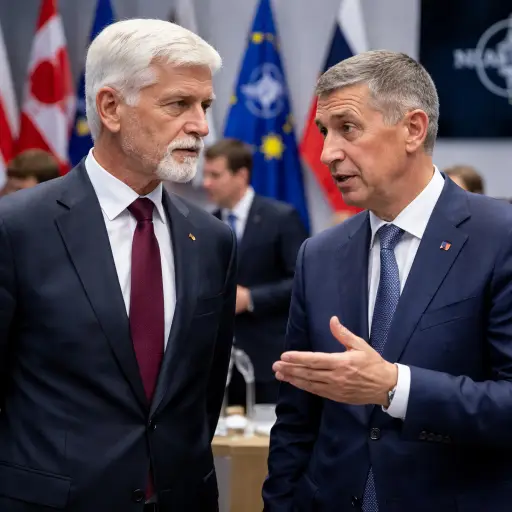
Klitschko also voiced concern about what he characterized as delays and shortfalls in European military assistance, arguing that while support remains significant, bureaucratic obstacles and political divisions within some EU states have slowed the delivery of crucial air defense systems and ammunition.
Ukraine is defending Europe as well, he said, urging faster decisions and greater unity from partners and warning that hesitation translates into higher risks for civilians exposed to nightly bombardment.
European leaders have reiterated commitments of financial aid and advanced weaponry, yet debates within several countries over defense spending, stockpile depletion, and domestic political pressures have complicated consensus at a moment when Kyiv insists sustained backing is essential.
The mayor’s remarks also reflected underlying tensions within Ukraine’s own political landscape, where disagreements between municipal and national authorities over reconstruction priorities, resource allocation, and anti‑corruption measures occasionally surface despite the shared threat posed by Moscow.
Engineers in Kyiv continue to fortify substations, diversify energy supplies, and expand underground shelter capacity, often working within hours of fresh strikes, while volunteers distribute food and blankets to elderly residents in neighborhoods hit hardest by outages.
For many Ukrainians the war has entered a grinding phase defined by attrition rather than dramatic battlefield shifts, and Klitschko’s warning that survival itself remains uncertain underscores fears that without sustained international backing and internal cohesion the balance could tilt.
Military experts note that Russia retains the capacity to produce and deploy significant numbers of missiles and drones, enabling continued pressure on urban centers even as Ukraine expands its domestic defense industry and strengthens interception capabilities.
Diplomatic channels remain active but strained, with Kyiv insisting that sovereignty and territorial integrity are non‑negotiable while Moscow shows little indication of altering its strategic objectives.
Daily life in the capital persists in defiance, as cafés reopen after outages, public transport resumes within hours of attacks, and cultural events proceed in adapted formats under the blue‑and‑yellow flag.
Yet beneath that routine lies an acute awareness of fragility, and as winter continues and strikes persist the question raised by Kyiv’s mayor reverberates beyond Ukraine’s borders, shaping a debate over the future security architecture of Europe and the durability of the international order.