Air defense systems and interceptors headline London’s latest commitment while EU partners wrestle with funding disputes and rule-of-law tensions

The United Kingdom has committed a further £540 million in military assistance to Ukraine, reinforcing its position as one of Kyiv’s most determined backers as Russian forces intensify aerial bombardments and political strains resurface within the European Union over funding structures and governance standards.
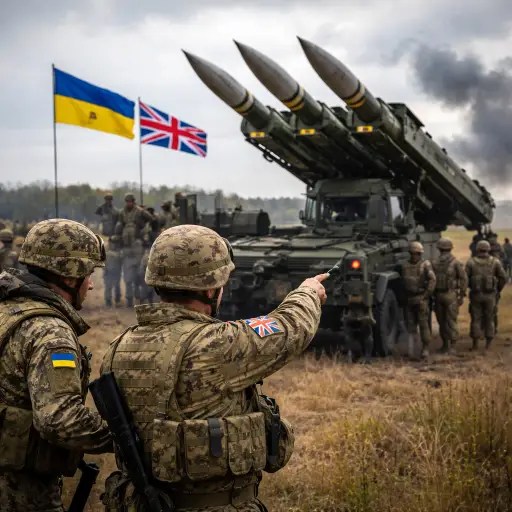
The new package focuses heavily on air defense systems and interceptor missiles intended to counter a renewed wave of Russian drone and missile attacks targeting Ukrainian cities, transport hubs, and energy infrastructure, reflecting what British defense officials describe as the most urgent operational requirement facing Kyiv at this stage of the war.
Government sources said the decision was driven by mounting evidence that Moscow is expanding both the frequency and technological sophistication of its long-range strikes, seeking to stretch Ukraine’s defensive capacities and undermine civilian morale through sustained pressure on critical infrastructure.
According to defense planners, the funding will accelerate the delivery of radar units, launcher components, and compatible interceptors that can be rapidly integrated into Ukraine’s existing air defense network, minimizing delays that might otherwise arise from retraining or system adaptation.
Ukrainian officials welcomed the announcement, emphasizing that each successful interception not only prevents destruction but preserves vital services including electricity distribution, hospital operations, and rail connectivity that underpin both the civilian economy and military logistics.
The pledge comes at a moment when debates inside the European Union have grown sharper over the structure of long-term financial assistance for Ukraine, with disagreements emerging over burden sharing, joint borrowing mechanisms, and the conditions attached to disbursements.
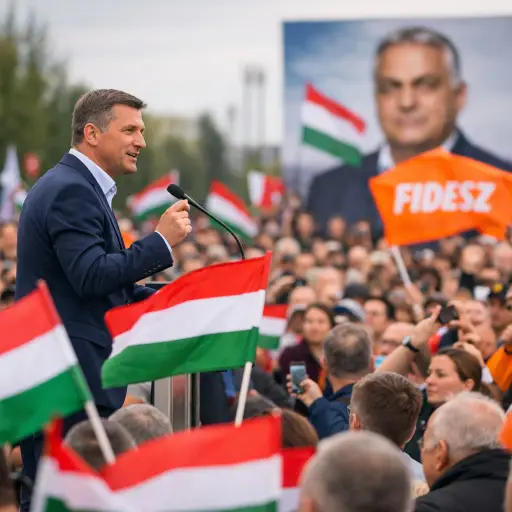
Several EU member states continue to press for stronger rule-of-law safeguards and clearer judicial reform benchmarks within the bloc as part of broader budget negotiations, arguing that internal governance standards cannot be separated from external commitments of strategic magnitude.
Diplomats in Brussels privately concede that political fatigue and domestic economic pressures are complicating consensus building, yet many warn that visible fractures could embolden the Kremlin at a time when allied cohesion remains a central pillar of deterrence.
The United Kingdom, operating outside EU institutional frameworks, has positioned itself as a flexible partner able to move swiftly on procurement and bilateral arrangements, a posture officials say enables faster responses to battlefield developments while remaining closely aligned with European and transatlantic allies.
Defense analysts note that air defense has evolved into one of the conflict’s most resource-intensive dimensions, with interceptor missiles carrying high production costs and requiring sustained industrial expansion to ensure that supply keeps pace with Russian output.
British lawmakers across party lines have broadly supported continued assistance to Ukraine, though some have called for transparency regarding domestic stockpile resilience and the timeline for replenishing equipment transferred abroad.
Strategically, officials argue that safeguarding Ukrainian airspace is inseparable from wider European security interests, contending that a failure to blunt Russian aggression would alter deterrence calculations across the continent and potentially destabilize NATO’s eastern flank.
For Ukraine, the additional British funding offers tangible reinforcement at a time when aerial threats remain constant, yet it does not fundamentally shift the broader dynamics of a war characterized by attrition, incremental territorial contests, and persistent long-range strikes.
As European governments navigate internal disagreements over financing formulas and institutional safeguards, London’s latest commitment underscores a continuing flow of military aid and a clear political message that support for Kyiv remains firmly embedded in British security policy.
The coming months are expected to test both Ukraine’s defensive endurance and the durability of Western unity, but for now Britain’s announcement signals sustained resolve in the face of intensifying pressure from Moscow.