As authorities escalate efforts to confront a deepening housing emergency, a sharply increased nightly levy on visitors reshapes travel costs and intensifies debate between residents and the tourism sector.

Barcelona has approved a sharp increase in its tourist tax, pushing the maximum nightly charge for some visitors to roughly fifteen euros and placing the Catalan capital among the cities with the highest such levies in Europe as officials attempt to respond to mounting housing pressures.
The decision, taken as winter draws to a close and ahead of the busy spring travel season, reflects growing political urgency around the availability and affordability of housing in a city where rental prices have surged and long term residents say they are being steadily displaced from central neighborhoods.
Under the revised framework, higher end hotels and luxury accommodation will face the steepest per night rates, while other categories will also see significant increases, bringing the combined local and regional charges close to levels that rival or exceed those of other major European destinations.
Municipal leaders argue that the additional revenue will be directed toward affordable housing programs, urban infrastructure and public services strained by sustained visitor numbers, presenting the measure as a necessary recalibration rather than a punitive step against tourism.
For years, neighborhood associations have warned that the rapid growth of short stay rentals has reduced the supply of long term housing, transforming residential buildings into de facto tourist accommodation and contributing to rising rents in districts once defined by stable local communities.
Barcelona’s geographic constraints between the Mediterranean Sea and surrounding hills limit the scope for outward expansion, intensifying competition for existing housing stock and sharpening the social impact of investment flows and property speculation.
Industry representatives have reacted with caution, warning that a higher tourist tax could erode the city’s competitiveness and encourage cost conscious travelers to consider alternative destinations across the Mediterranean where overall accommodation expenses remain lower.
Hotel associations maintain that the sector already generates substantial tax revenue and employment, and they caution that additional financial burdens may ultimately influence pricing strategies, investment decisions and staffing levels within the hospitality industry.
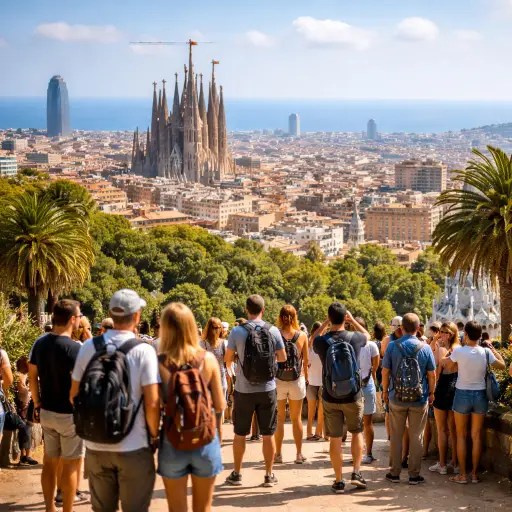
City officials counter that Barcelona’s global appeal, anchored in its architectural landmarks, cultural institutions and coastal setting, will continue to attract visitors despite moderate increases in nightly costs, arguing that demand has historically proven resilient.
On the streets, however, the debate is framed less around visitor numbers and more around quality of life, with recent demonstrations highlighting frustration among residents who say unchecked tourism growth has altered the character of their neighborhoods and strained public resources.
Activists supportive of the tax increase describe it as a step toward restoring balance, while insisting that fiscal measures must be accompanied by stricter enforcement against illegal rentals and broader structural reforms to expand affordable housing supply.
Urban policy analysts note that a tourist levy alone cannot resolve structural shortages rooted in limited supply and global capital flows, yet they view the move as a clear signal that Barcelona is prepared to use financial tools to reshape its development model.
As the city navigates another pivotal moment in its relationship with global tourism, the strengthened tax underscores a broader effort to reconcile economic vitality with social sustainability and to ensure that Barcelona remains not only a destination of choice for visitors but also a viable home for those who live and work there.