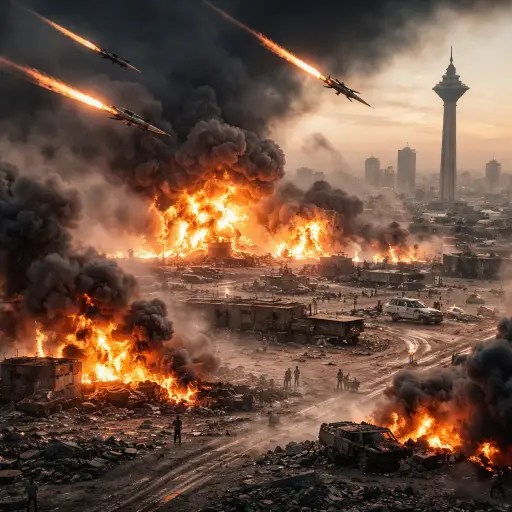
U.S. and Israel Strike Iran, Retaliation Shakes Region
The Middle East stands on the brink of a broader conflagration as coordinated military strikes by the United States and Israel against Iranian military infrastructure and leadership have ignited swift and forceful retaliation from Tehran. The sequence of events — unleashing airstrikes deep into Iran followed by missile barrages that have struck U.S. bases and regional allies — has shattered months of fragile diplomacy and thrown global markets and airspace into disarray.
On the eve of the month’s second day, the governments in Washington and Tel Aviv announced what U.S. leaders called “major combat operations” against key Iranian military and defense targets. Heavy explosions were reported in capital cities and strategic provinces within Iran as precision strikes hammered air defenses, command centers, and military infrastructure in a campaign described publicly as a bid to neutralize perceived threats and degrade Tehran’s offensive capabilities.
Iran reacted with unprecedented force. Missiles and drones streaked across the skies toward Israel and U.S. military installations throughout the Gulf region in a retaliatory barrage that shook bases in several countries. Sirens wailed in Israeli cities and throughout the wider region. Iran’s leadership declared the strikes a response to what it characterized as illegal aggression, and vowed “no leniency” in countermeasures aimed at foreign military presence on its doorstep.
Civilian Impact and Regional Turmoil
The violence has not remained confined to military objectives. Civilian lives and movement have been disrupted dramatically. Airspace closures across the Middle East and beyond have left tens of thousands of travelers stranded, with airports in major hubs like Dubai and Doha forced to cancel or reroute flights amid safety concerns.
In several Iranian cities, emergency services reported casualties from the strikes, and non-combatant infrastructure was damaged as communications were disrupted and hospitals were placed on high alert. Meanwhile, in regions hit by Iranian missile retaliation, emergency responses and evacuations have been underway. The impact on daily life has been amplified by warnings of further escalation, forcing both commercial and private movements to a standstill.
Economic Shockwaves
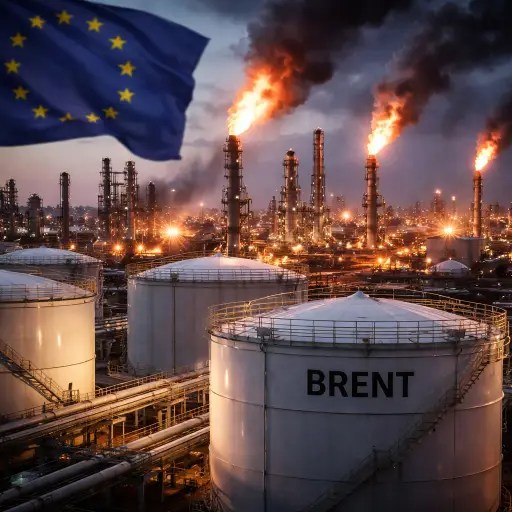
The disruption has rippled into global markets. Analysts warn that instability around key energy transit corridors — especially the Strait of Hormuz — could disrupt oil flows and further intensify energy market volatility. Some Israeli gas export facilities have already seen temporary shutdowns, with cascading effects on regional supplies and prices.
Diplomacy and International Reaction
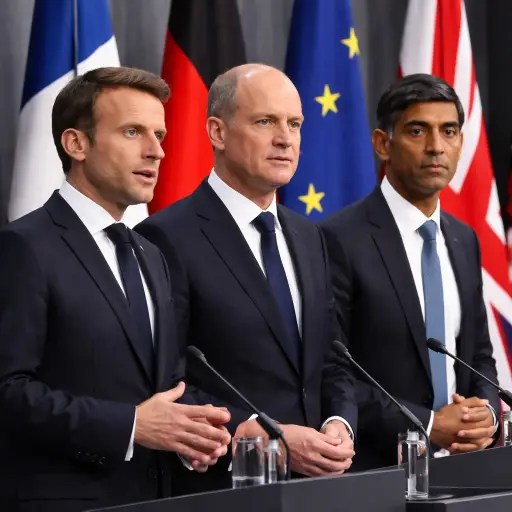
World leaders have responded with a mix of alarm, condemnation, and calls for restraint. The United Nations Secretary-General issued an urgent appeal for an immediate halt to hostilities and a return to negotiations to avoid a wider regional war. European capitals echoed concerns about escalating violence and emphasized the need for diplomatic solutions to Iran’s nuclear and missile ambitions.
At the same time, key powers sharply differed in their framing of the situation. Russia condemned the U.S.–Israeli strikes as “unprovoked acts of armed aggression,” warning that the intensification of violence could trigger a humanitarian and economic catastrophe. Several Arab states, including Saudi Arabia and the United Arab Emirates, condemned Iran’s missile barrages, underscoring the fraught and polarized nature of global reaction to the crisis.
Military and Political Stakes
The conflict’s immediate origins lie in months of rising tension over Iran’s nuclear program and ballistic missile development, coupled with failed diplomatic negotiations that had been mediated by neutral actors. The strikes themselves were among the most extensive coordinated actions against Tehran in decades, reflecting a dramatic shift from decades of proxy confrontations to outright military confrontation.
Officials on both sides have emphasized that the confrontation what they see as unavoidable. Washington and Tel Aviv framed their military action as preventative and necessary for national security, while Tehran viewed it as a clear violation of international law and sovereignty.
What’s Next?
As the dust settles over targeted cities and the airspace over much of the region remains closed, the international community watches with intense concern. The coming hours could determine whether diplomatic channels can be reactivated to halt this unprecedented escalation, or whether the conflict expands into a wider regional war with consequences that reach far beyond the Middle East.
 The Tower Post