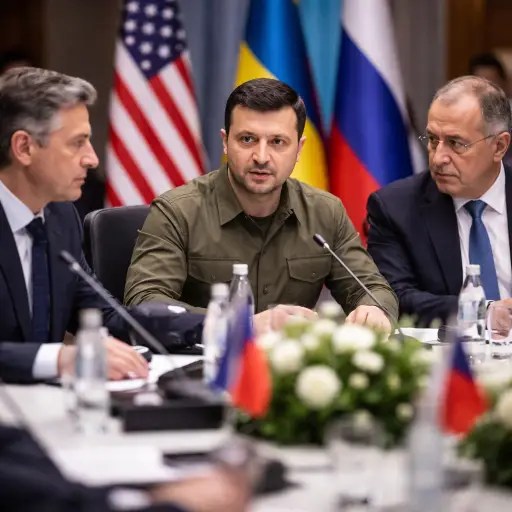
Zelenskiy says next negotiations hinge on Middle East stability and battlefield realities as diplomatic momentum builds in Munich
As diplomatic channels cautiously reopen, President Volodymyr Zelenskiy has made clear that the path to renewed peace negotiations will not be determined in isolation, warning that progress between Washington, Moscow, and Kyiv depends not only on developments along Ukraine’s front lines but also on the volatile security landscape of the Middle East.
Speaking as global leaders gathered for high-level security discussions in Europe, Zelenskiy stressed that security conditions and real guarantees must underpin any new round of talks, arguing that the credibility of negotiations will hinge on whether parallel crises that increasingly intersect with the war in Eastern Europe can be stabilized.
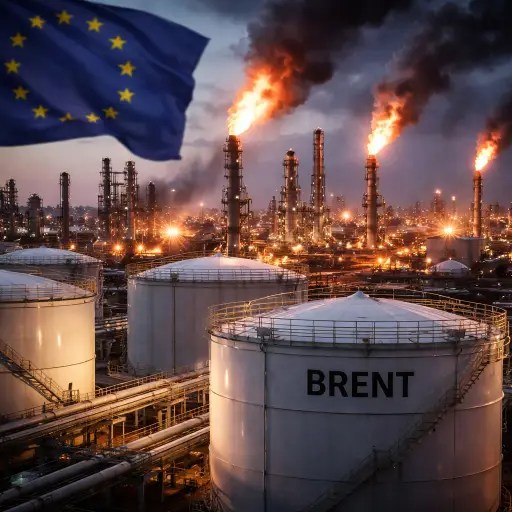
Diplomatic observers say the message reflects a growing recognition that the conflict’s trajectory is shaped by wider geopolitical currents, with renewed tensions in the Middle East affecting energy markets, defense supply chains, and strategic alignments in ways that directly influence military assistance and political resolve in allied capitals.
“Security is indivisible,” Zelenskiy said, underscoring that instability in one region can embolden actors elsewhere and suggesting that Ukraine’s leadership views progress in the Middle East as a barometer for broader international cooperation rather than as a distant and unrelated crisis.
At the center of the debate lies the fragile prospect of a diplomatic framework involving the United States, Russia, and Ukraine, where backchannel communications have reportedly intensified but officials acknowledge that public negotiations require minimum conditions including reduced hostilities, clarity on territorial control, and credible monitoring mechanisms.
Zelenskiy has reiterated that Ukraine will not accept arrangements that freeze the conflict without enforceable guarantees and has insisted that any settlement must reflect what he described as war realities, a phrase interpreted by analysts as recognition of the battlefield’s fluidity but not a concession on sovereignty or territorial integrity.
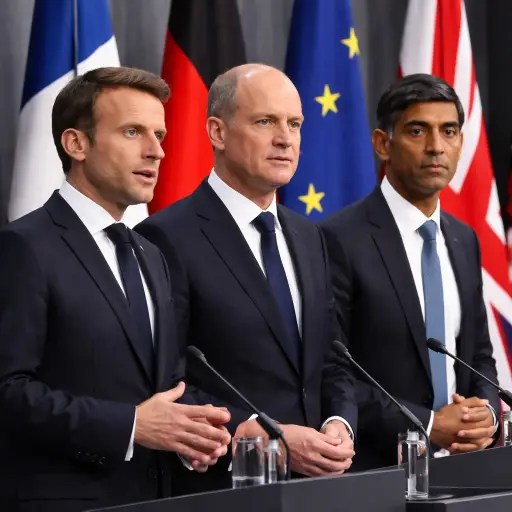
Western diplomats attending the Munich Security Conference describe the atmosphere as guardedly pragmatic, with discussions focused on sustaining military aid, coordinating sanctions policy, and exploring diplomatic off-ramps that do not undermine international law while preserving leverage over Moscow.
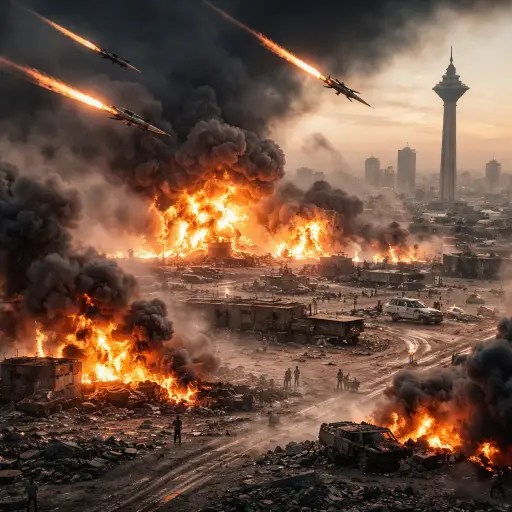
The linkage to the Middle East is strategic as well as symbolic, as escalations there have tested Washington’s bandwidth, complicated alliance management, and triggered energy price volatility that risks diverting attention and resources at a critical juncture in the European theater.
For Russia, analysts say, simultaneous crises present both risks and opportunities, since expanded conflict zones can strain diplomatic reach but may also fragment Western unity if political fatigue deepens among key partners supporting Ukraine.
Privately, European officials acknowledge that fatigue is a factor after years of war, with public opinion in several countries showing signs of strain even as leaders reaffirm commitments and quietly explore diplomatic pathways that might open space for negotiations without signaling weakness.
The Ukrainian president’s emphasis on real guarantees indicates that Kyiv is preparing for protracted negotiations rather than an imminent breakthrough, with security assurances, reconstruction frameworks, and accountability mechanisms remaining central to its position in any future settlement.
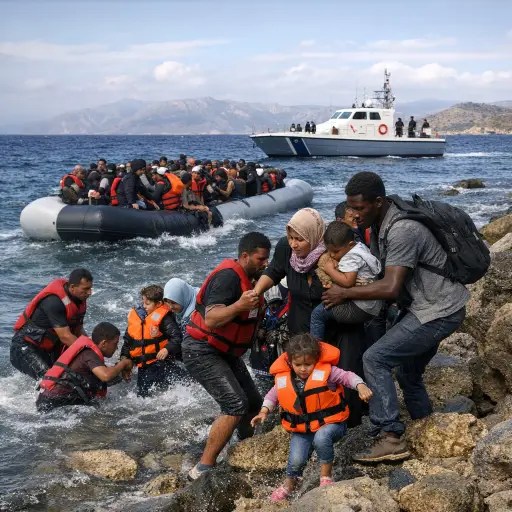
Humanitarian concerns continue to mount as civilians endure displacement, infrastructure damage, and economic hardship, and international agencies warn that reconstruction costs will escalate the longer hostilities persist, reinforcing the urgency of a framework that addresses both ceasefire logistics and long-term stabilization.
In Washington, policymakers face a delicate balance between sustaining support for Ukraine and managing other global flashpoints, maintaining that Kyiv must define acceptable terms while acknowledging that broader geopolitical tensions inevitably shape the negotiating environment.
The convergence of these pressures has elevated the stakes of discussions in Munich, where no formal negotiation session has been announced but exploratory contacts are described by diplomats as serious and consequential for the next phase of engagement.
Ultimately, Zelenskiy’s message is twofold: peace cannot be detached from security realities and security cannot be compartmentalized, meaning that developments in the Middle East may influence the diplomatic climate in Europe just as battlefield shifts may alter the urgency of compromise.
As leaders depart their meetings and return to their capitals, the central question remains whether parallel crises can be managed in a way that opens genuine space for negotiation, or whether competing pressures will postpone meaningful dialogue once again.
For now, the prospect of renewed talks remains contingent on tangible progress and credible international guarantees, with Zelenskiy signaling that without those elements any peace initiative will remain aspirational rather than transformative in a world where conflicts reverberate far beyond their immediate borders.
 The Tower Post