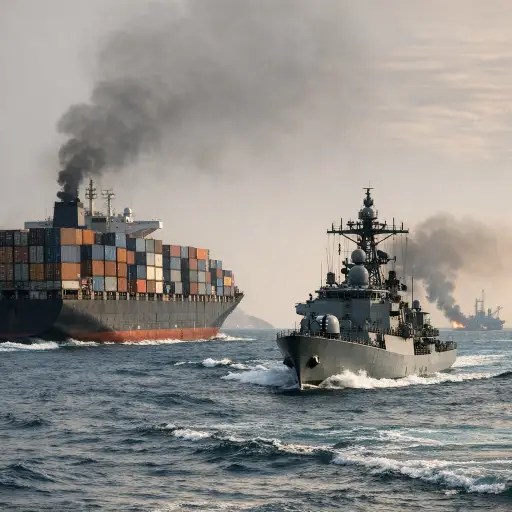
Rerouted vessels, rising insurance premiums and mounting delays threaten European supply chains from fashion to electronics
Fresh security incidents along the maritime corridor linking Europe and Asia are once again unsettling global trade, forcing shipping lines and European importers to divert vessels away from the Red Sea and reroute them around the southern tip of Africa as a precaution against escalating threats near key transit points.
The longer voyage around the Cape of Good Hope, while regarded as a safer alternative for crews and cargo, is adding significant transit time to shipments that would normally pass through the Suez Canal, increasing fuel consumption, operational expenses and pressure on already stretched vessel capacity.
European importers are feeling the impact almost immediately as freight rates on Asia to Europe routes climb in response to higher carrier costs, while insurers adjust risk assessments and raise war risk premiums for ships operating near contested waters, compounding the financial strain on companies dependent on predictable logistics flows.
Retailers in sectors ranging from fashion to consumer electronics are closely monitoring developments as spring merchandise cycles approach a critical phase, aware that even modest delivery delays can compress sales windows, disrupt promotional calendars and force costly markdowns to clear late arriving stock.
Shipping executives say the rerouting is more than a simple detour because vessels that spend additional weeks at sea are effectively removed from active circulation, tightening global container supply and pushing charter rates higher as demand for available ships outpaces supply.
Port operators across Europe are also adapting to shifting arrival patterns as ships arrive in clusters after extended journeys, complicating berth scheduling and placing additional strain on rail and trucking networks tasked with moving cargo inland under tighter timeframes.
The energy dimension is equally significant because longer sea routes translate into higher marine fuel consumption, contributing to elevated bunker costs that carriers pass on through fuel adjustment surcharges embedded in freight contracts signed with importers.
For small and medium sized enterprises operating on narrow margins, the sudden rise in transportation expenses can erode profitability and force difficult decisions about pricing, sourcing or inventory management at a time when many had hoped for greater economic stability.
Logistics firms warn that if instability persists into the coming weeks, consumers could begin to notice renewed upward pressure on prices for imported goods including apparel, household furnishings and certain electronic devices that rely heavily on Asian manufacturing hubs.
Industry analysts point out that the Red Sea and the Suez Canal form one of the most critical chokepoints in global commerce, handling a substantial share of trade between Asia and Europe, which makes any disruption there capable of triggering ripple effects across multiple sectors simultaneously.
Governments and maritime authorities are engaged in diplomatic and security efforts aimed at safeguarding shipping lanes, while carriers maintain flexible routing strategies that allow them to revert to shorter passages should conditions stabilize sufficiently.
Financial markets have reacted with caution as investors weigh the short term benefit of stronger freight rates against the broader economic risks of prolonged disruption that could dampen trade volumes and strain consumer demand across Europe.
Companies throughout the supply chain are revisiting contingency plans, reassessing inventory buffers and renegotiating logistics contracts in an effort to cushion the impact of extended transit times and volatile shipping costs.
The renewed strain on Red Sea shipping routes underscores how dependent modern economies remain on secure and efficient maritime transport, and until confidence is restored along one of the world’s most vital trade corridors, freight markets are likely to remain tense and consumers may once again feel the consequences in everyday prices.


 The Tower Post