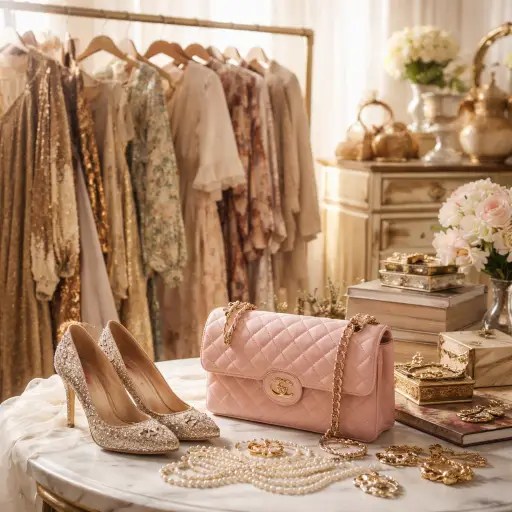
The SIL returns with a narrative-driven resale model, opening a new chapter for curated wardrobes and the stories stitched into them, with Dee Ocleppo Hilfiger’s closet leading the revival.
In a fashion landscape still recalibrating its values, The SIL has re-emerged with a proposition that feels both timely and quietly radical: vintage is not merely about rarity or resale, but about narrative. The platform’s relaunch this week positions storytelling at the center of the secondhand experience, reframing wardrobes as living archives rather than inventory to be cleared.
The reboot arrives as consumers grow more selective about what earns space in their closets, and as the resale market matures beyond its early boom years. While many platforms compete on speed, price, and scale, The SIL distinguishes itself through curation and context, presenting each collection as a cohesive chapter shaped by the life and sensibility of its original owner.
Opening the new era is the wardrobe of Dee Ocleppo Hilfiger, whose polished aesthetic bridges American ease and European refinement. Her selection of structured blazers, fluid silk dresses, sharply tailored separates, and meticulously preserved accessories reads less like a liquidation and more like a retrospective, each piece anchored in the arc of a career lived between design studios, boardrooms, and international fashion weeks.
What sets the platform apart is the editorial framing that accompanies each garment. Instead of sparse product descriptions, visitors encounter reflective narratives that trace where a piece was worn, why it was chosen, and what it represented at the time. A cocktail dress becomes inseparable from the evening it debuted; a leather bag carries echoes of the cities it traversed; a tailored jacket recalls the professional milestone it quietly witnessed.
This narrative architecture responds to a broader cultural fatigue with algorithmic sameness. Younger collectors in particular are seeking distinction over duplication, gravitating toward garments that show subtle signs of life and individuality. By foregrounding provenance and personal memory, The SIL transforms resale into an act of cultural continuity rather than mere consumption.
Industry observers note that resale’s continued expansion depends increasingly on differentiation. As large-scale platforms streamline logistics and authentication, smaller players are carving space through intimacy and editorial voice. The SIL’s pared-back design and emphasis on storytelling suggest a deliberate refusal to overwhelm, inviting readers to linger rather than scroll.
Ocleppo Hilfiger’s participation also signals a shift in how public figures engage with their archives. Where celebrity closets were once guarded as private repositories, they are now selectively opened as extensions of personal branding and as gestures toward circular fashion. The act of releasing such pieces becomes less about divestment and more about stewardship, allowing garments to accrue new chapters without severing ties to their origins.
Beyond the allure of a recognizable name, the platform advances a recalibrated notion of value. Condition and label remain important, but they are no longer the sole arbiters of desirability. Emotional resonance, craftsmanship, and narrative depth assume equal weight, encouraging buyers to see themselves as participants in an evolving story rather than endpoints in a transaction.
The relaunch unfolds against the backdrop of ongoing industry debates about overproduction and excess inventory. Sustainability commitments abound, yet consumer habits are slower to change. By attaching memory and meaning to each item, The SIL introduces a subtle behavioral shift: when clothing carries a story, it becomes more difficult to treat it as disposable.
Early reaction from stylists and editors suggests that the hybrid of editorial and commerce may point toward a broader evolution in luxury resale. The model bridges the authority of magazine storytelling with the infrastructure of e-commerce, offering both emotional engagement and practical access in a single digital environment.
Future wardrobe releases are expected to spotlight designers, collectors, and creative figures whose closets map distinct stylistic journeys. The emphasis, according to those involved with the relaunch, will remain on coherence rather than volume, ensuring that each drop unfolds as a curated narrative rather than an anonymous accumulation of goods.
In restoring context to commerce, The SIL stakes a claim in fashion’s increasingly crowded secondhand sector by slowing the tempo and deepening the frame. The platform suggests that the future of vintage may depend less on novelty and more on remembrance, inviting consumers to dress not only for the present moment but in dialogue with the past.



 The Tower Post