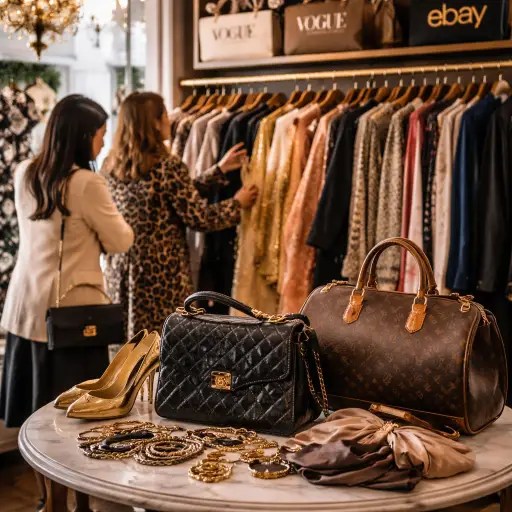
A global collaboration links luxury resale with sustainability and social enterprise
Vogue and eBay have unveiled a sweeping new partnership that places vintage fashion at the center of the luxury conversation, reflecting the rapid growth of the global resale economy and a cultural shift toward more responsible consumption. The initiative brings together one of the world’s most influential fashion publications and one of the largest online marketplaces to spotlight rare archival pieces, celebrate the longevity of design, and encourage shoppers to see pre‑owned garments not as relics of the past but as living artifacts of style that continue to evolve across generations.
At the heart of the collaboration is a curated series of luxury vintage sales hosted on eBay and editorially supported by Vogue’s global network of stylists, editors, and fashion historians. The project will feature highly sought‑after garments and accessories sourced from collectors, respected vintage dealers, and private archives, many of which rarely appear on the open market. Each item is accompanied by contextual storytelling that traces the design heritage behind the piece and explores how iconic fashion moments continue to resonate in contemporary wardrobes.
The initiative arrives at a moment when the fashion industry is confronting growing scrutiny over its environmental footprint and the pace of its production cycles. By foregrounding resale, Vogue and eBay aim to highlight the enduring value of garments that have already proven their cultural and material longevity. The partnership underscores a broader movement within fashion toward circularity, where garments are preserved, resold, and reinterpreted rather than discarded after a single season.
A significant dimension of the program is its commitment to social enterprise. Proceeds from selected vintage sales will support organizations focused on education, skills training, and entrepreneurship, particularly for women working in creative and craft‑based industries. Organizers say the effort aligns with the wider cultural moment that celebrates women’s contributions to fashion history while investing in future generations of designers, makers, and independent business owners around the world.
The selection of pieces reflects decades of fashion innovation, ranging from sharply tailored runway looks and couture‑inspired eveningwear to distinctive accessories that once defined entire style eras. Many of the garments highlight the craftsmanship that characterized earlier periods of fashion production, including intricate hand finishing, durable fabrics, and design techniques that allowed clothing to endure both physically and aesthetically long after its initial debut.
For Vogue, the collaboration represents a natural extension of its evolving editorial focus on sustainability and fashion heritage. Editors involved in the project describe vintage clothing as an essential archive of the industry’s creative past, offering lessons about quality, longevity, and design experimentation. By pairing editorial storytelling with a global resale platform, the publication hopes to connect readers with tangible pieces of fashion history while encouraging thoughtful consumption.
For eBay, the partnership builds on the platform’s longstanding role as a marketplace where collectors and everyday shoppers alike hunt for rare fashion finds. Over the past decade, vintage luxury categories have surged in popularity on the site, driven by younger buyers seeking individuality and authenticity in an era dominated by mass production. Executives say the collaboration with Vogue reinforces eBay’s position as a destination for carefully authenticated and culturally significant fashion.
The rise of resale has transformed the economic landscape of the fashion industry, with analysts pointing to rapid growth in secondhand markets across Europe, North America, and Asia. Digital platforms, social media communities, and improved authentication technologies have made it easier for vintage pieces to circulate globally, creating new ecosystems in which archival garments gain renewed cultural relevance and financial value.
Designers and stylists have increasingly embraced vintage garments as creative inspiration, frequently incorporating archival pieces into runway presentations, red carpet appearances, and editorial shoots. The visibility of these garments in high‑profile fashion contexts has helped shift perceptions of resale from niche collecting to a central component of modern style culture, where mixing contemporary pieces with historic designs is celebrated rather than overlooked.
Supporters of the Vogue and eBay initiative say the collaboration signals a deeper transformation in how luxury fashion defines value. Instead of emphasizing novelty alone, the project highlights durability, narrative, and emotional connection as defining characteristics of desirable clothing. A garment that has survived decades of changing trends, advocates argue, carries a story that new products often lack.
As the initiative unfolds, additional curated releases, editorial features, and community events are expected to expand the conversation around vintage fashion and sustainability. Organizers hope the project will inspire both seasoned collectors and first‑time buyers to explore the richness of fashion’s past while recognizing the environmental and social potential of resale. In doing so, the collaboration positions vintage not merely as nostalgia, but as a blueprint for a more responsible and imaginative future for fashion.


 The Tower Post