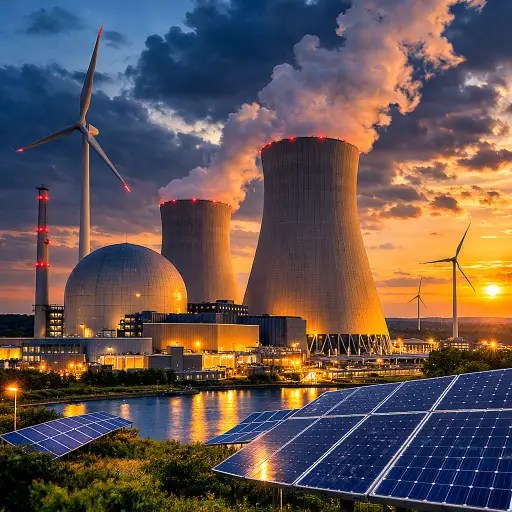
After years of reactor closures, leaders across the European Union acknowledge that abandoning nuclear energy weakened energy security and complicated the path to stable power supplies.
Across Europe, political leaders are quietly acknowledging a reversal that would have seemed unlikely only a few years ago: the continent’s sweeping move away from nuclear energy may have been a strategic mistake. Officials from several European Union institutions and national governments now say the rapid reduction of nuclear capacity left the region more vulnerable to energy shocks, particularly during the severe supply disruptions that followed geopolitical conflict and the scramble to replace lost fuel imports. The reassessment marks a striking shift in tone from earlier policy debates that framed nuclear power largely as a technology of the past rather than a pillar of future energy security.
Senior EU policymakers increasingly argue that nuclear power must be reconsidered as a stable component of Europe’s electricity system. While renewable energy sources such as wind and solar have expanded dramatically across the continent, they have also exposed the limitations of relying exclusively on weather-dependent generation. During periods of low wind or limited sunlight, grid operators have often been forced to turn back to fossil fuels or import electricity from neighboring states. The renewed interest in nuclear energy reflects a growing recognition that maintaining constant, carbon-free baseload power remains a major challenge for the European energy transition.
The debate intensified as energy shortages spread across several countries during the prolonged period of geopolitical tension that reshaped global energy markets. The sudden drop in traditional fuel supplies triggered sharp price increases and exposed the fragility of Europe’s energy balance. Governments that had previously committed to shutting down reactors faced the difficult task of replacing large volumes of stable electricity production in a short time. For many policymakers, the experience highlighted the unintended consequences of dismantling nuclear infrastructure faster than alternative systems could reliably replace it.
Energy ministers from multiple EU member states now say that earlier decisions were shaped by political pressures and public concerns that, while understandable at the time, underestimated the strategic value of nuclear generation. Some officials describe the earlier phase-out strategy as overly optimistic about how quickly renewable systems and energy storage could scale to meet growing demand. Others note that the closure of functioning reactors removed not only power generation but also a highly skilled workforce and industrial supply chains that are difficult to rebuild once dismantled.
The shift in attitude is gradually translating into new policy discussions. Several governments are exploring plans to extend the lifespan of existing reactors while also considering investments in a new generation of nuclear technologies. Among the options receiving attention are smaller modular reactors designed to be faster to build and more flexible in operation. Supporters argue that these systems could complement renewable power by providing consistent electricity while occupying a smaller physical footprint and requiring less complex construction than traditional large-scale plants.
European energy analysts say the reassessment is less about abandoning climate ambitions than about strengthening the tools available to achieve them. Nuclear power produces minimal greenhouse gas emissions during operation, making it compatible with long-term decarbonization targets. Advocates now argue that combining nuclear generation with renewables could create a more resilient system capable of reducing dependence on imported fuels while maintaining stable electricity prices. Critics remain cautious, pointing to the high costs of new reactors and the unresolved challenge of managing nuclear waste.
Public opinion across Europe remains divided, reflecting decades of debate over the risks and benefits of nuclear technology. In some countries, memories of past nuclear accidents continue to shape political attitudes and regulatory decisions. Yet the experience of energy scarcity has also shifted perceptions among some voters who now prioritize reliability and affordability alongside environmental goals. Surveys in several states indicate a gradual increase in support for keeping existing reactors online, particularly when they are presented as part of a broader strategy to reduce fossil fuel consumption.
For the European Union as a whole, the renewed nuclear discussion represents a pragmatic recalibration rather than a dramatic policy reversal. Officials emphasize that renewable energy expansion will remain central to the continent’s climate strategy, but they increasingly acknowledge that nuclear generation may play a complementary role in maintaining grid stability. The conversation unfolding in European capitals suggests that energy policy is entering a new phase, shaped not only by environmental aspirations but also by the hard lessons learned during a period of unprecedented supply disruption.

 The Tower Post