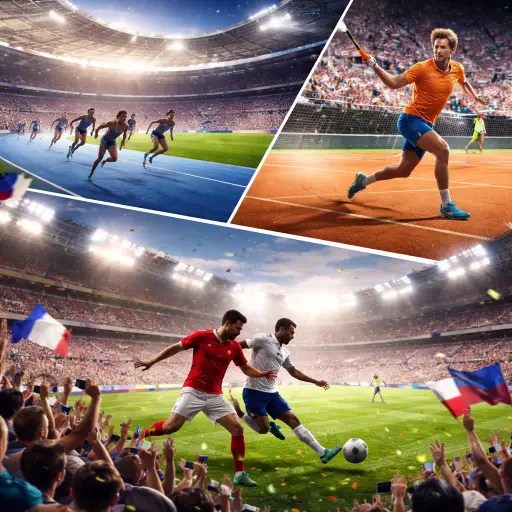
As the winter sports season fades, football, athletics, and tennis across the continent accelerate toward a vibrant international calendar, drawing global attention and renewed fan energy.
Across stadiums, arenas, and training centers throughout the continent, Europe’s sporting world is gathering pace as it heads toward a series of major competitions expected to define the year. Following the energy and spectacle of the winter sports season, athletes, organizers, and supporters alike are shifting focus toward an increasingly packed calendar in football, athletics, and tennis.
The months ahead promise not only intense competition but also a renewed demonstration of Europe’s role as a global hub for elite sport. From iconic football grounds to historic tennis venues and newly upgraded athletics facilities, the continent is preparing to welcome athletes and fans from around the world.
The build-up reflects a wider trend in international sport: growing cross-border participation, rising television audiences, and record engagement across digital platforms. European competitions are increasingly drawing global attention, transforming traditional tournaments into international spectacles.
Football’s Expanding Competitive Landscape
Football continues to dominate the European sports conversation. Domestic leagues across the continent are entering crucial stages, with clubs pushing for continental qualification and silverware. Meanwhile, international fixtures and regional tournaments are bringing together players from diverse leagues, creating matchups that capture global attention.
Stadiums are once again becoming focal points for fan culture. In cities renowned for their football heritage, supporters are returning in large numbers, creating the vibrant atmospheres that define European matches. Chants echo through stands while city centers transform into gathering places for traveling fans.
The growing competitiveness among clubs has also elevated the tactical and technical standards of the sport. Managers are experimenting with new systems, blending emerging talent with experienced internationals. The result is a football environment where unpredictability and high intensity have become the norm.
At the same time, European football is embracing technological advances. Enhanced broadcast production, improved stadium connectivity, and data-driven performance analysis are shaping how teams prepare and how fans experience the game. For supporters watching both in stadiums and at home, the sport feels more immersive than ever.
Athletics Preparing for a Continental Showcase
While football commands attention week after week, athletics is quietly preparing for a busy season of elite competition. Across Europe, national federations are organizing meetings and championships that will serve as key preparation for major international events later in the year.
Training tracks from Scandinavia to Southern Europe are already filled with athletes refining technique and building endurance. Sprinters focus on explosive starts, middle-distance runners test pacing strategies, and field athletes fine-tune technical elements that can make the difference between podium finishes and narrow defeats.
Organizers are also investing heavily in facilities and fan experiences. Modernized stadiums, improved track surfaces, and enhanced athlete services aim to ensure that European athletics events remain among the most respected competitions on the global calendar.
Beyond elite sport, athletics continues to benefit from grassroots participation. Local races, youth programs, and university competitions are feeding talent into national teams. The pathway from community track to international stage remains one of the sport’s defining strengths.
Tennis Tours Draw Global Talent
Europe’s tennis circuit is another major pillar of the continent’s sporting identity. Each season, prestigious tournaments attract many of the world’s top players, transforming historic venues into focal points of international sport.
As the tennis calendar unfolds, players transition across surfaces and climates, adapting their style of play to meet new challenges. Clay courts reward patience and tactical precision, while faster surfaces demand aggressive shot-making and quick movement.
European tournaments are also known for their unique atmosphere. From traditional venues steeped in history to modern arenas filled with enthusiastic crowds, each stop on the tour offers its own personality. Fans often follow tournaments across multiple cities, turning the circuit into a traveling celebration of the sport.
The competitive balance in tennis is also evolving. A new generation of players is pushing established champions, creating rivalries that captivate audiences. Long rallies, dramatic tie-breaks, and unpredictable outcomes keep spectators engaged from the first serve to the final point.
Fans Driving the Momentum
Behind every major sporting event lies the energy of supporters. Across Europe, fan engagement is reaching new levels, fueled by social media, streaming platforms, and a renewed appetite for live experiences.
Supporters increasingly interact with teams and athletes beyond the stadium. Online communities discuss tactics, celebrate victories, and debate controversial moments within seconds of them happening. For younger audiences especially, sport has become a constant digital conversation rather than an occasional event.
At the same time, the return of packed arenas and stadiums has reminded many fans of the irreplaceable atmosphere of live sport. The roar of a crowd during a decisive goal, record-breaking sprint, or championship point remains one of the most powerful experiences in athletics.
Europe at the Center of Global Sport
As preparations continue across football, athletics, and tennis, one theme is clear: Europe remains central to the global sports ecosystem. The continent’s infrastructure, tradition, and passionate fan base make it a natural stage for major competitions.
International athletes view European tournaments not only as opportunities for titles but also as platforms for global recognition. Meanwhile, host cities benefit from tourism, cultural exchange, and the worldwide visibility that accompanies major events.
The coming months promise dramatic matches, memorable performances, and moments that will resonate far beyond stadium walls. For sports fans across the continent and around the world, Europe’s accelerating sporting calendar signals an exciting chapter ahead—one defined by competition, celebration, and the enduring power of sport to bring people together.


 The Tower Post