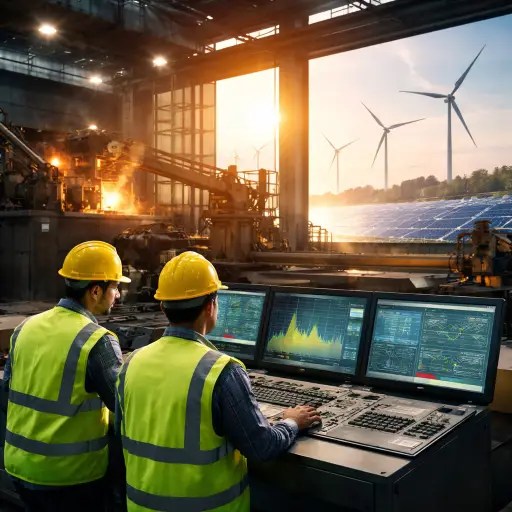
Factories shift production toward renewable energy peaks as a new pricing model begins reshaping Europe’s industrial energy strategy.
Germany is experimenting with a new approach to electricity pricing that could transform how energy-intensive industries operate across Europe. The initiative introduces dynamic electricity pricing for factories, allowing companies to pay rates that change hour by hour depending on the availability of renewable energy.
The concept is designed to better align industrial demand with the fluctuating supply of wind and solar power. When renewable energy production is high, electricity becomes significantly cheaper. Companies that adapt their production schedules to these periods can dramatically reduce their energy costs.
For Germany, the experiment represents another step in its ongoing effort to modernize the power system while maintaining its strong industrial base. As renewable energy continues to grow, the country faces the challenge of managing electricity supply that varies with weather conditions. Wind turbines and solar panels can generate large amounts of power during favorable conditions, sometimes producing more electricity than the grid immediately needs.
Dynamic pricing offers a potential solution by encouraging factories to consume electricity when renewable energy is abundant. Instead of curtailing excess generation, the system incentivizes industrial users to increase production during those periods.
Several manufacturing sectors are particularly suited to this flexible model. Industries such as chemicals, aluminum, and steel rely on processes that consume large amounts of electricity but can often be scheduled within certain time windows. By shifting energy-intensive operations to hours when renewable energy floods the grid, companies can take advantage of significantly lower electricity prices.
Economists see the initiative as a possible turning point for Europe’s industrial energy strategy. Rather than forcing renewable energy to behave like traditional power plants that deliver constant output, the new system encourages demand to adapt to the natural variability of renewable sources.
In practice, this means factories increasingly plan their operations around electricity market signals. Modern energy management systems can monitor price fluctuations and renewable generation forecasts in real time. Production managers can then schedule certain processes when electricity costs drop, helping companies maintain competitiveness while reducing environmental impact.
Early participants in the experiment report that flexible production schedules can produce substantial savings on electricity bills. For industries where energy costs represent a significant share of operating expenses, these savings can make a meaningful difference in profitability.
At the same time, the approach supports broader climate goals. By increasing electricity demand during periods of high renewable generation, dynamic pricing helps reduce the need for fossil-fuel backup power. This allows more clean energy to be used across the grid while improving overall system efficiency.
Energy analysts believe the concept could gradually reshape Europe’s industrial geography. Regions with abundant renewable resources and strong grid connections may become more attractive locations for energy-intensive manufacturing. Companies that can operate flexibly could gain a competitive advantage in a future where electricity prices fluctuate more frequently.
However, challenges remain before the model can be adopted widely. Not all factories can easily shift their production schedules, and smaller companies may lack the digital tools required to respond quickly to changing electricity prices. Grid infrastructure and electricity market regulations must also evolve to support large-scale participation in dynamic pricing systems.
Despite these hurdles, policymakers and industry leaders are closely watching Germany’s experiment. If successful, the model could offer a blueprint for balancing industrial competitiveness with the rapid expansion of renewable energy.
As Europe continues its transition toward cleaner power systems, dynamic electricity pricing may become a key tool in shaping the next generation of industrial energy use. By aligning factory operations with the natural rhythms of wind and sunlight, Germany’s initiative hints at a future where industry and renewable energy work in closer harmony than ever before.



 The Tower Post