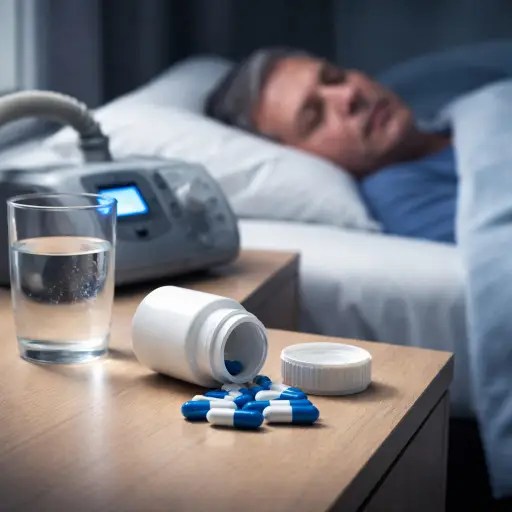
European researchers report promising early results from a medication that sharply reduces nighttime breathing interruptions—raising hopes it could eventually replace the widely used CPAP machines.
A team of European researchers has reported encouraging early results from a clinical trial testing a medication designed to reduce breathing interruptions during sleep, a condition known as obstructive sleep apnea. The findings unveiled this week by scientists involved in the project suggest that a pill-based therapy could dramatically reduce the number of apnea episodes patients experience during the night.
If confirmed in larger studies, the drug could represent one of the most significant changes in sleep apnea treatment in decades, potentially offering a simpler alternative to the continuous positive airway pressure devices, commonly called CPAP machines, that millions of people currently rely on.
Sleep apnea is one of the most common sleep disorders worldwide. It occurs when the muscles in the throat relax too much during sleep, temporarily blocking the airway and causing repeated pauses in breathing. These interruptions can happen dozens or even hundreds of times each night, often without the person realizing it.
The consequences can be serious. Untreated sleep apnea is associated with chronic fatigue, impaired concentration, and an increased risk of cardiovascular disease, stroke, and metabolic disorders. For years, the primary treatment has been CPAP therapy, which keeps the airway open by delivering a constant stream of pressurized air through a mask worn during sleep.
While highly effective when used correctly, CPAP machines have long faced one major obstacle: patient adherence.
Many users find the equipment uncomfortable, noisy, or cumbersome. Masks can cause skin irritation, and the sensation of pressurized air can be difficult to tolerate. As a result, sleep specialists estimate that a significant portion of patients eventually stop using their devices consistently.
That reality has driven researchers to search for alternatives.
The new medication under investigation works differently from traditional mechanical treatments. Rather than forcing the airway open with air pressure, the drug targets the neurological signals that regulate the muscles controlling the upper airway. By stabilizing these signals, the medication appears to reduce the likelihood that the airway will collapse during sleep.
In the early clinical trial, participants who received the drug experienced a marked reduction in apnea events compared with those given a placebo. According to the researchers, many patients saw their nighttime breathing interruptions drop significantly, with some approaching levels considered mild or clinically manageable.
Equally important, the medication was generally well tolerated during the study period. Participants reported relatively mild side effects, and researchers observed no major safety concerns during the monitored trial phase.
Sleep specialists caution, however, that the results remain preliminary.
Early-phase clinical trials are designed primarily to evaluate safety and determine whether a treatment shows enough promise to justify larger studies. The current findings, while encouraging, will need to be replicated in broader trials involving more diverse patient populations before the drug could be considered for regulatory approval.
“This is an exciting development,” one researcher involved in the study said while discussing the early results. “But we still have a long way to go before a medication like this could replace existing therapies.”
Even so, the possibility of a pharmacological solution is generating significant interest within the sleep medicine community.
A pill that could reliably reduce apnea episodes might transform the treatment landscape, particularly for patients who struggle with CPAP devices or abandon therapy altogether. For them, a medication could offer a far more accessible and comfortable option.
Experts also note that a drug-based therapy could potentially be combined with other approaches. Weight management, positional therapy, oral appliances, and lifestyle changes are already used to treat some forms of sleep apnea, and a medication could become another tool within that broader treatment strategy.
Researchers involved in the project are now preparing for expanded clinical trials aimed at confirming the drug’s effectiveness and evaluating its long-term safety. These future studies will likely involve larger patient groups and longer monitoring periods to better understand how the therapy performs in real-world conditions.
If those trials produce similarly positive results, the path toward regulatory review and eventual approval could begin.
For the millions of people who struggle nightly with sleep apnea—and for those who find current treatments difficult to tolerate—the prospect of replacing bulky bedside machines with a simple daily medication is an appealing one.
For now, the new drug remains an experimental therapy. But the early data are enough to spark cautious optimism that a long-standing challenge in sleep medicine may someday have a simpler solution.
As research continues, scientists hope the work will lead not only to better treatments but also to improved awareness of a condition that often goes undiagnosed.
Sleep apnea may occur during the quietest hours of the night, but its impact on health can echo throughout the day. A treatment that is easier to use—and easier to live with—could make a meaningful difference for patients around the world.



 The Tower Post