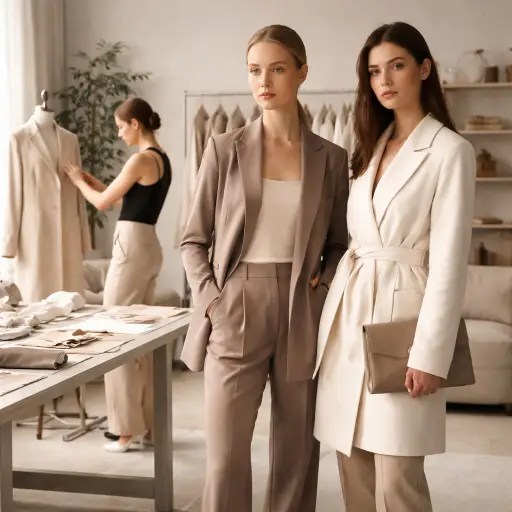
Subtle craftsmanship, refined materials, and understated elegance redefine the direction of high-end fashion as New York designers respond to a growing appetite for discreet sophistication.
In the ateliers and showrooms of New York’s fashion district, a subtle but unmistakable shift is unfolding. Designers long associated with bold statements and prominent branding are increasingly embracing a quieter aesthetic—one that prioritizes craftsmanship, material quality, and restrained elegance. Industry observers are calling the movement “Quiet Luxury 2.0,” a refined evolution of the understated style that has steadily gained traction among affluent consumers and fashion insiders.
The trend has become especially visible during recent runway previews and private presentations across the city. Collections that once relied on logo-heavy silhouettes or overt visual spectacle now lean toward tailored coats in muted tones, impeccably structured trousers, and minimalist dresses cut from premium fabrics. The result is clothing designed to speak through detail rather than decoration.
According to stylists working closely with luxury clients, the change reflects a deeper cultural shift in how wealth and taste are communicated. In a climate shaped by economic uncertainty and evolving attitudes toward status, conspicuous consumption has lost some of its appeal. Instead, many shoppers are gravitating toward garments that signal refinement through subtlety.
“Clients are asking for pieces that feel timeless rather than attention-seeking,” says one New York stylist who works with executives and creative professionals. “They want clothes that look exceptional up close—the stitching, the texture of the fabric, the cut of the jacket—but don’t necessarily announce themselves from across the room.”
Designers across the city appear to be responding with collections built around neutral palettes and sophisticated tailoring. Shades of cream, charcoal, sand, and soft navy dominate many racks this season. Rather than relying on ornate embellishment, garments highlight structural precision: a perfectly balanced shoulder line, a fluid wool coat that drapes effortlessly, or a silk blouse whose understated sheen reveals its quality.
The emphasis on craftsmanship has also pushed fashion houses to spotlight their materials. Italian cashmere, Japanese denim, and finely milled wool are frequently cited as defining elements of new collections. In some cases, designers are experimenting with innovative textiles that combine sustainability with luxury-grade texture and durability.
Industry analysts suggest that “Quiet Luxury 2.0” differs from earlier minimalist trends in one key respect: it is less about austerity and more about intentional sophistication. The clothing is refined but not stark, elegant yet wearable. Soft layering, gentle silhouettes, and subtle contrasts of texture add dimension while maintaining an overall sense of calm.
New York’s role in shaping the trend is significant. The city’s fashion scene has long balanced creative experimentation with a pragmatic understanding of how people actually dress. As a result, many designers are interpreting quiet luxury through pieces that transition easily from professional settings to evening occasions—structured blazers, refined knitwear, and tailored outerwear designed for urban life.
Retail buyers say demand for these understated pieces is growing steadily. Luxury boutiques report that customers increasingly prioritize garments they can wear repeatedly rather than seasonal statement items. A coat with impeccable tailoring or a flawlessly cut pair of trousers can anchor a wardrobe for years, aligning with a broader shift toward thoughtful consumption.
This evolving mindset is influencing marketing strategies as well. Instead of spotlighting logos or celebrity-driven hype, brands are emphasizing heritage, craftsmanship, and material sourcing. Campaign imagery tends to be restrained and atmospheric, highlighting texture, tailoring, and quiet confidence rather than spectacle.
Runway previews have reflected the same mood. Models often appear in streamlined silhouettes, styled with minimal accessories and natural makeup. The presentation allows garments themselves to take center stage, reinforcing the philosophy that luxury lies in quality rather than visibility.
Fashion historians note that periods of understated elegance often emerge after cycles of visual excess. As trends oscillate between maximalism and restraint, designers reinterpret minimalism to suit contemporary tastes. “Quiet Luxury 2.0” represents the latest chapter in that ongoing dialogue.
For many consumers, the appeal lies in versatility. A beautifully constructed coat or dress can adapt across seasons and settings, making it a more meaningful investment. In an era when personal style increasingly emphasizes authenticity and longevity, understated luxury offers a compelling alternative to fleeting trends.
As designers continue refining the concept, the movement appears poised to shape upcoming collections across the luxury market. From carefully tailored silhouettes to the tactile richness of premium fabrics, the message emerging from New York’s fashion studios is clear: in today’s high-end style landscape, the most powerful statement may be the quietest one.



 The Tower Post