Consumers Turn Against Shein and Similar Brands as “Buying Less” Becomes the New Status Symbol
The ultra-fast fashion industry is facing a defining moment. Once celebrated for its ability to deliver runway-inspired styles at record speed and ultra-low prices, the sector is now under growing scrutiny from consumers, regulators, and activists alike. What began as a niche sustainability concern has evolved into a broader cultural shift—one that is challenging the very foundation of high-volume, low-cost clothing production.
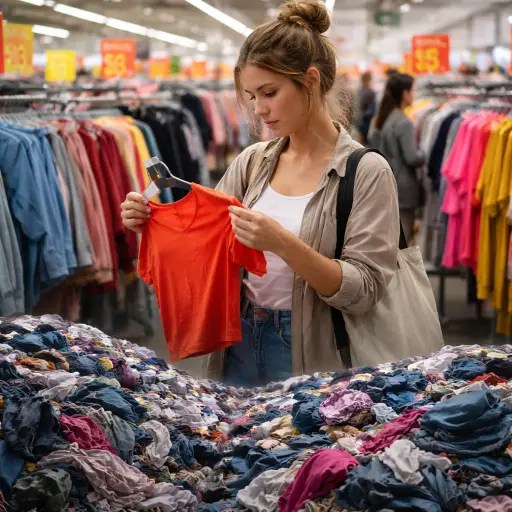
At the center of the backlash are companies like Shein, whose business model relies on rapid design cycles, data-driven trend replication, and massive output. While this approach has fueled explosive growth, it has also raised serious questions about environmental sustainability and labor practices. Mountains of discarded clothing, reports of poor working conditions, and opaque supply chains have become impossible for consumers to ignore.
Social media has played a critical role in amplifying these concerns. Viral videos exposing textile waste and behind-the-scenes factory conditions have reached millions, transforming passive shoppers into more conscious consumers. What was once dismissed as the hidden cost of cheap fashion is now front and center in public discourse.
“I used to think I was getting a great deal,” said one former fast fashion enthusiast. “Now it feels like I’m contributing to something harmful every time I buy.”
This shift in sentiment is increasingly reflected in consumer behavior. Across the United States and beyond, shoppers are beginning to rethink their purchasing habits. Instead of frequent “haul” culture—where buying dozens of low-cost items at once was normalized—there is a growing emphasis on intentional consumption. The idea of “buying less” is gaining traction, particularly among younger consumers who are more attuned to environmental and ethical issues.
Thrifting, clothing swaps, and resale platforms are experiencing renewed popularity. At the same time, many consumers are choosing to invest in higher-quality pieces designed to last longer. The appeal is not just sustainability—it is also about redefining personal style in a way that values longevity over constant novelty.
Industry analysts say this trend represents a fundamental threat to ultra-fast fashion. The model depends on continuous demand and rapid turnover. If consumers begin to buy fewer items overall, the economic engine driving these companies could slow significantly.
Meanwhile, pressure is mounting from policymakers. In the United States, lawmakers are exploring new ways to regulate the environmental impact of the fashion industry. Proposed measures focus on increasing transparency in supply chains, reducing textile waste, and holding companies accountable for overproduction. These efforts signal a shift toward treating fashion not just as a cultural force, but as an industry with tangible environmental consequences.
Legal challenges are also on the rise. Lawsuits targeting major players in the ultra-fast fashion space allege misleading business practices and violations related to labor standards. While outcomes remain uncertain, the growing number of cases underscores a changing regulatory landscape—one that is becoming less tolerant of the industry’s excesses.
For brands built on speed and scale, adapting to this new reality will not be easy. Some companies are attempting to reposition themselves by introducing “sustainable” collections or pledging greater transparency. Critics, however, argue that such efforts often fall short, describing them as incremental changes within a fundamentally unsustainable system.
“The problem isn’t just how clothes are made—it’s how many are made,” said one sustainability expert. “You can’t solve overproduction with better marketing.”
As the backlash continues to gain momentum, the future of ultra-fast fashion appears increasingly uncertain. The industry is unlikely to disappear overnight, but its dominance is no longer guaranteed. Instead, it faces a gradual but meaningful shift in consumer expectations—one that prioritizes responsibility over convenience.
What was once a niche movement is now becoming mainstream. Buying less, once considered a sacrifice, is emerging as a new form of status—one that reflects awareness, intention, and a willingness to challenge the norms of modern consumption.
For ultra-fast fashion, that may be the most disruptive trend of all.



 The Tower Post