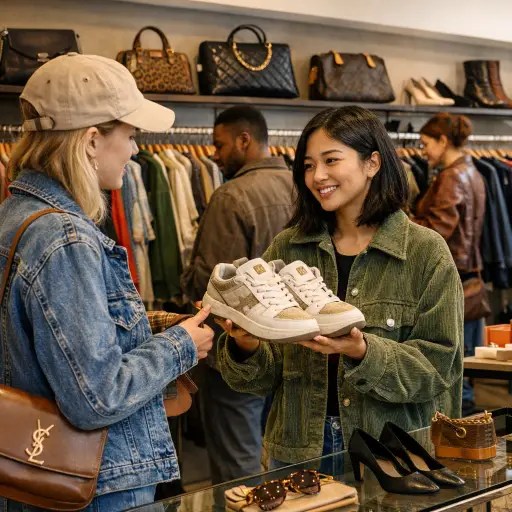
Digital marketplaces surge as younger consumers embrace vintage style, affordability, and sustainability—while luxury resale emerges as fashion’s fastest-growing frontier.
The American fashion landscape is undergoing a quiet but profound transformation. Once relegated to thrift stores and niche collectors, secondhand clothing has moved firmly into the mainstream. As of late March, the resale fashion market is not only growing—it is redefining how Americans shop, dress, and think about value.
Online platforms dedicated to resale are reporting record activity. From peer-to-peer marketplaces to curated luxury consignment sites, the ecosystem has expanded rapidly, fueled by technology and shifting consumer priorities. What was once considered a budget-conscious alternative is now seen as a smart, stylish, and even aspirational choice.
At the heart of this shift is a generational change. Younger consumers—particularly Gen Z and younger millennials—are driving demand with a mindset that blends practicality with purpose. For them, buying secondhand is not just about saving money; it is about expressing individuality, reducing environmental impact, and participating in a circular economy.
“Vintage is no longer niche—it’s culture,” says a New York-based fashion buyer who tracks resale trends. “Younger shoppers want pieces that tell a story. They’re less interested in mass-produced items and more drawn to uniqueness.”
Affordability remains a powerful motivator. In a climate where the cost of living continues to shape purchasing decisions, resale offers access to brands and styles that might otherwise be out of reach. Consumers are increasingly mixing high and low, pairing secondhand designer items with everyday basics to create personalized looks.
But beyond price, sustainability has become a defining force. The fashion industry has long faced scrutiny for its environmental footprint, and consumers are responding. Buying pre-owned clothing extends the lifecycle of garments and reduces waste—an appealing proposition for a generation that is highly attuned to climate concerns.
Digital platforms have made this transition seamless. Advanced search tools, authentication services, and streamlined logistics have removed many of the traditional barriers associated with secondhand shopping. Items can be browsed, verified, and delivered with the same ease as new purchases.
Perhaps the most striking development is the rise of luxury resale. Once a secondary market, it is now one of the fastest-growing segments in fashion. High-end handbags, watches, and designer apparel are being traded at unprecedented volumes, often retaining or even increasing their value over time.
Luxury resale appeals to both buyers and sellers. For consumers, it offers access to coveted brands at more accessible prices. For sellers, it provides a way to unlock value from items sitting unused in their wardrobes. This dual incentive has created a dynamic, self-sustaining marketplace.
“Luxury has become liquid,” notes an industry analyst. “People are starting to think of their wardrobes as assets, not just expenses.”
Brands themselves are beginning to take notice. Some are launching their own resale programs or partnering with established platforms, recognizing that participation in the secondary market can enhance brand loyalty and extend product lifecycles. Rather than competing with resale, they are increasingly integrating it into their business models.
Physical retail is also evolving. Across major cities, curated vintage stores and hybrid retail spaces are blending the tactile experience of in-person shopping with the reach of digital platforms. These spaces emphasize storytelling, curation, and community—elements that resonate strongly with younger audiences.
Despite its rapid growth, the resale market faces challenges. Authentication, quality control, and pricing transparency remain critical issues, particularly in the luxury segment. However, continued investment in technology and expertise is helping to address these concerns, building trust among consumers.
Looking ahead, the trajectory appears clear. Resale is not a passing trend but a structural shift in the fashion industry. As economic pressures persist and environmental awareness deepens, secondhand shopping is poised to become an even more integral part of the retail landscape.
What was once considered “used” is now being rebranded as “re-loved,” and the distinction is more than semantic. It reflects a broader change in values—one that prioritizes longevity, individuality, and conscious consumption.
In America’s evolving fashion economy, the future may not be brand new. Instead, it may already be hanging in someone else’s closet, waiting for its next life.


 The Tower Post